
Transplanting
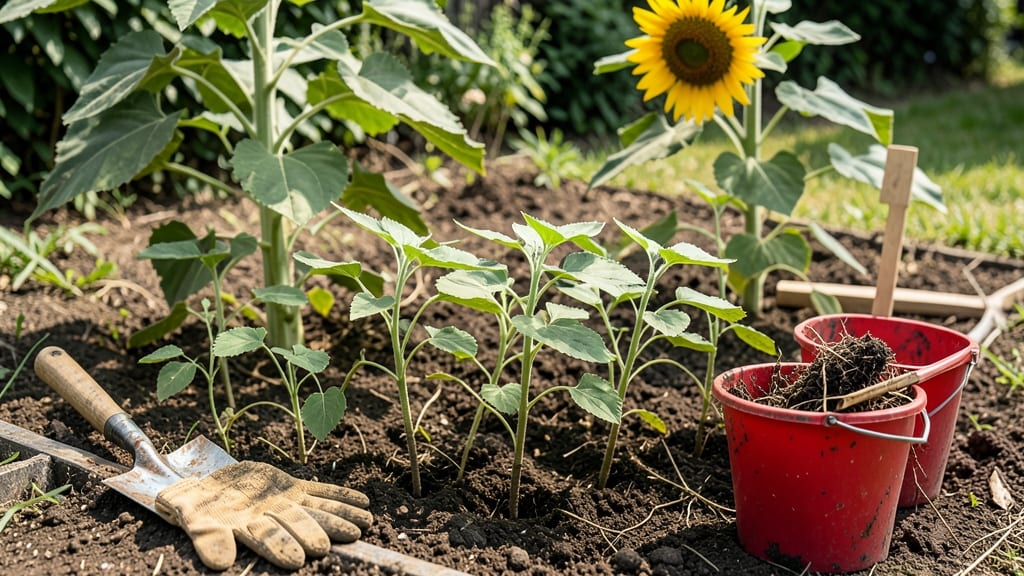
Thinning sunflower seedlings at the wrong time can mean the difference between a towering, healthy 🌻 and a stunted, struggling plant—so timing is everything. If you wait too long, your seedlings will compete for sunlight and nutrients, leaving you with weak stems and fewer blooms.
Most gardeners should thin their sunflower seedlings when they reach 4 to 6 inches tall, typically 3 to 4 weeks after planting in zones like 6a. This is the sweet spot: early enough to prevent overcrowding but late enough that the roots have stabilized for transplanting.
Why does this matter? Proper spacing gives each plant room to grow strong, maximizing yield and flower size. Whether you're growing dwarf varieties or giants, the key is acting before seedlings get too crowded—but not so soon that their delicate roots struggle.
I’ll walk you through exactly how to thin, what tools to use, and how to repurpose the extras without wasting them. Let’s make sure your sunflowers get the best possible start!
The perfect time to thin sunflower seedlings: growth stages explained
Thinning sunflower seedlings at the right stage ensures each plant gets the nutrients, sunlight, and water it needs to grow into a healthy, towering 🌻.
The key is timing—too early, and you risk damaging fragile roots; too late, and seedlings compete for resources, leading to weak stems and poor blooms.
Most gardeners should thin when seedlings reach 4 to 6 inches tall, typically 3 to 4 weeks after germination. This stage is ideal because the plants have developed true leaves (not just cotyledons) and a small root system strong enough to handle transplanting.
Here’s the breakdown: cotyledon stage (first leaves) is too soon, while 6+ inches means roots are already crowded. The 4-6 inch mark is your sweet spot for balanced growth.
Visual cues help determine readiness: look for 3-4 true leaves and stems that are pencil-thick. If seedlings are leaning or touching neighbors, it’s time to thin—overcrowding stresses plants and attracts pests like aphids.
Thinning at this stage also prevents nutrient competition, which can lead to leggy, weak stalks. Proper spacing gives each plant room to develop a strong taproot, essential for supporting those massive flower heads later.
Why does this matter? Sunflowers are heavy feeders, and crowded seedlings won’t reach their full potential. For example, a giant variety like 'Mammoth' needs 24+ inches of space, while dwarf types like 'Teddy Bear' thrive at 12 inches apart. Thinning ensures everyone gets their share.
Now, let’s dive into the exact growth stages and what to watch for in your garden:
After thinning, focus on watering deeply to help roots establish in their new space. Avoid overwatering, which can cause rot—sunflowers prefer consistent moisture but hate soggy soil.
If you’re growing sunflowers in containers, thin even earlier (around 2-3 inches tall) since space is limited. Use larger pots (at least 12 inches deep) for dwarf varieties and 18+ inches for giants.
Remember: thinning isn’t just about removing plants—it’s about giving each seedling a fighting chance. With the right timing and care, you’ll end up with vibrant blooms that turn heads all summer long.
Optimal spacing for sunflower seedlings: variety-specific guidelines
Not all sunflowers need the same space to shine. Dwarf varieties like 'Teddy Bear' can thrive in tight quarters, while giant types like 'Mammoth' need room to stretch their legs. Proper spacing prevents competition for sunlight and nutrients, ensuring each plant grows to its full potential.
Let’s break down the ideal spacing for each sunflower type, plus how to adapt for container gardening.
For dwarf sunflowers (12–18 inches tall), space seedlings 12–18 inches apart in rows that are 12–18 inches apart. This works perfectly for small gardens or container setups. Semi-dwarf varieties (18–24 inches tall) need 18–24 inches between plants and 24 inches between rows to avoid overcrowding.
Giant sunflowers (24–36 inches tall) require the most space: 24–36 inches apart in rows that are 36 inches apart. These giants need room to develop their massive taproots and towering stalks. If you’re growing a mix of varieties, group them by size to simplify spacing.
If you’re growing sunflowers in containers, choose pots that are at least as deep as the mature plant’s height. For example, a dwarf variety needs a 12-inch pot, while giants require 24-inch pots or larger. Use well-draining soil and fertilize lightly after transplanting to encourage strong root growth.
In small garden plots, consider interplanting sunflowers with shorter crops like lettuce or radishes. This maximizes space while giving sunflowers the room they need to grow tall and proud. Just avoid planting sunflowers too close to other heavy feeders like corn or tomatoes.
After thinning, water deeply to help roots establish in their new spacing. Mulch around the base to retain moisture and suppress weeds, which can compete with your sunflowers for nutrients. With the right spacing, your sunflowers will grow into sturdy, vibrant stalks that bring joy all season long.