
Diseases
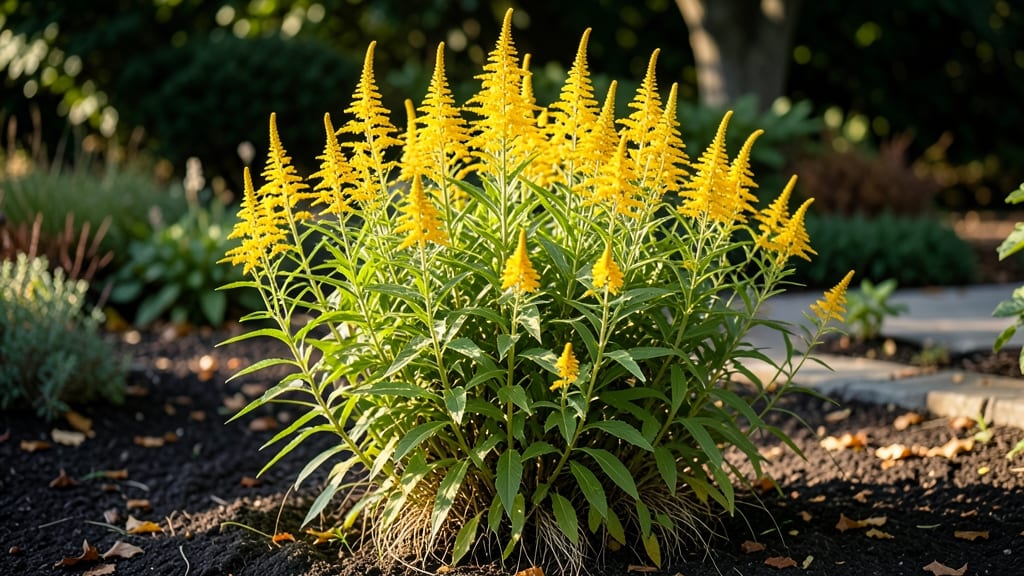
That moment when you notice your Black-Eyed Susan showing a yellow flower stalk instead of standing tall and proud? It’s a garden heartbreaker—but here’s the good news: most of these issues are fixable with the right moves.
Yellow flower stalks aren’t just an eyesore; they’re often a cry for help from your plants. Whether it’s a fungal infection, overwatering, or a sneaky pest infestation, understanding the root cause is the first step to turning things around fast.
I’ve seen this happen to my own garden, and trust me, the fixes are simpler than you’d think.
In this guide, I’ll walk you through the most common reasons behind those yellowing stalks and show you exactly how to address them—whether it’s pruning, adjusting your watering routine, or giving your plants the nutrients they crave. No more guessing what’s wrong or watching your flowers fade away.
By the end, you’ll know how to keep your Black-Eyed Susan 🌼 thriving and prevent future problems. Let’s get those stalks back to their vibrant best before it’s too late!
Common causes of yellow flower stalks in plants
When your Black-Eyed Susan 🌼 or other flowering plants start showing yellow flower stalks, it’s rarely just a random quirk of nature. These color changes are almost always a sign that something’s off—whether it’s a nutrient deficiency, fungal infection, or environmental stress.
The good news? Identifying the cause is half the battle. Let’s break down the most common culprits and why they’re making your plants look less than their best.
Yellowing flower stalks often begin as a subtle shift in color, starting near the base before creeping upward. This discoloration isn’t just cosmetic—it’s a warning sign that your plant is struggling to support its blooms.
The root causes can range from overwatering to pest damage, and understanding each one will help you take targeted action. For example, a magnesium deficiency (common in acidic soils) can cause yellowing between leaf veins, while powdery mildew leaves a chalky residue on stalks.
Here’s the summary table of the most frequent causes, so you can quickly diagnose what’s affecting your plants:
| Cause | Key Symptoms | Affected Plants | Quick Fix |
|---|---|---|---|
| Overwatering | Soft, mushy stalks; yellowing at base; foul odor | Roses, Dahlias, Sunflowers | Reduce watering; improve drainage |
| Nutrient Deficiency | Yellowing between veins; stunted growth | Petunias, Zinnias, Marigolds | Apply balanced fertilizer (10-10-10) |
| Fungal Infection (Powdery Mildew) | White powdery coating; yellowing stalks | Phlox, Roses, Snapdragons | Spray neem oil; improve airflow |
| Pest Infestation (Aphids/Borers) | Sticky residue; holes in stalks; wilting | Sunflowers, Dahlias, Black-Eyed Susans | Apply insecticidal soap; prune affected areas |
| Environmental Stress (Heat/Poor Airflow) | Dry, crispy stalks; yellowing tips | All flowering plants | Provide shade cloth; mulch soil |
Overwatering is one of the sneakiest culprits behind yellow flower stalks. When roots sit in soggy soil for too long, they suffocate and can’t absorb nutrients or oxygen. This leads to root rot, which then starves the stalks of the energy they need to stay green. I’ve seen this happen to my dahlias when I got too excited about watering during a rainy spell. The stalks turned mushy and yellowed within days. If you’re guilty of overwatering, the fix is simple: let the top 2 inches of soil dry out between waterings and consider adding perlite to improve drainage.
Another frequent offender is nutrient deficiencies, particularly a lack of magnesium or nitrogen. These deficiencies often start with yellowing between the veins of leaves before moving to the stalks. For example, my zinnias once developed yellow stalks because the soil was depleted after a long growing season.
A quick soil test revealed low magnesium levels, and a dose of Epsom salt (1 tablespoon per gallon of water) brought them back to life in just a few weeks. If you suspect a deficiency, a balanced fertilizer (like 10-10-10) can work wonders.
Fungal infections, such as powdery mildew or botrytis blight, are also major players in yellowing stalks. These fungi thrive in humid conditions and poor airflow, leaving behind a telltale white or gray powder on stalks. I once battled powdery mildew in my roses, and the stalks turned yellow and brittle almost overnight. The solution? Neem oil or a baking soda spray (1 teaspoon baking soda + 1 quart water + a drop of dish soap) applied every 7-10 days. Plus, prune plants to improve airflow and avoid overhead watering.
Don’t overlook pests like aphids or borers, which can chew through stalks, leaving them yellow and weakened. Aphids, in particular, love to cluster on new growth, sucking out sap and causing stalks to yellow and curl. I caught an
Step-by-step fixes to revive yellow flower stalks
When your Black-Eyed Susan or other flowering plants start showing yellow flower stalks, it’s usually a sign your plants need immediate attention. The good news? Most fixes are straightforward once you know what’s causing the issue.
I’ve seen yellow stalks turn into lush, healthy blooms in just a few weeks with the right approach.
Before diving into solutions, always start by identifying the root cause—whether it’s fungal infections, overwatering, or nutrient deficiencies. Each problem requires a slightly different fix, but the key is acting fast. Let’s tackle this step by step to bring your flowers back to life.
- Step 1: Inspect the stalks closely for signs of fungal growth (powdery white residue) or pest activity (tiny holes, webs, or insects). Use a magnifying glass if needed.
- Step 2: Prune affected stalks at the base using sterilized pruners. Cut 1 inch below the yellowed area to prevent spread. Dispose of infected plant material in sealed bags.
- Step 3: Test your soil for pH and nutrient levels. Yellow stalks often signal low magnesium or excess nitrogen. Use a soil test kit or send a sample to a local extension office.
- Step 4: Adjust watering habits. If soil feels soggy, reduce watering to every 7-10 days. For dry soil, water deeply in the morning to avoid fungal growth.
- Step 5: Apply fungicide if fungal infections (like powdery mildew) are present. Use a copper-based spray or neem oil solution every 7-10 days until symptoms disappear.
- Step 6: Fertilize wisely. For magnesium deficiency, add Epsom salt (1 tbsp per gallon of water). For nitrogen balance, switch to a balanced 10-10-10 fertilizer.
- Step 7: Improve airflow around plants by thinning crowded foliage or spacing plants 12-18 inches apart. This reduces humidity and prevents future fungal outbreaks.
Once you’ve addressed the immediate issue, monitor your plants closely for new growth. Healthy stalks should turn green within 1-2 weeks, and blooms should return stronger than before. If yellowing persists, consider transplanting to a sunnier spot or amending the soil with compost.
Prevention is just as important as fixing the problem. After reviving your plants, mulch around the base with 2-3 inches of organic mulch to retain moisture and regulate soil temperature. This simple step can reduce stress and keep future yellow stalks at bay.
Remember, even the most experienced gardeners face yellow flower stalks—it’s all part of the process. With these steps, your Black-Eyed Susan 🌼 will be blooming beautifully in no time, and you’ll be ready to tackle any future issues with confidence.