
Blooming
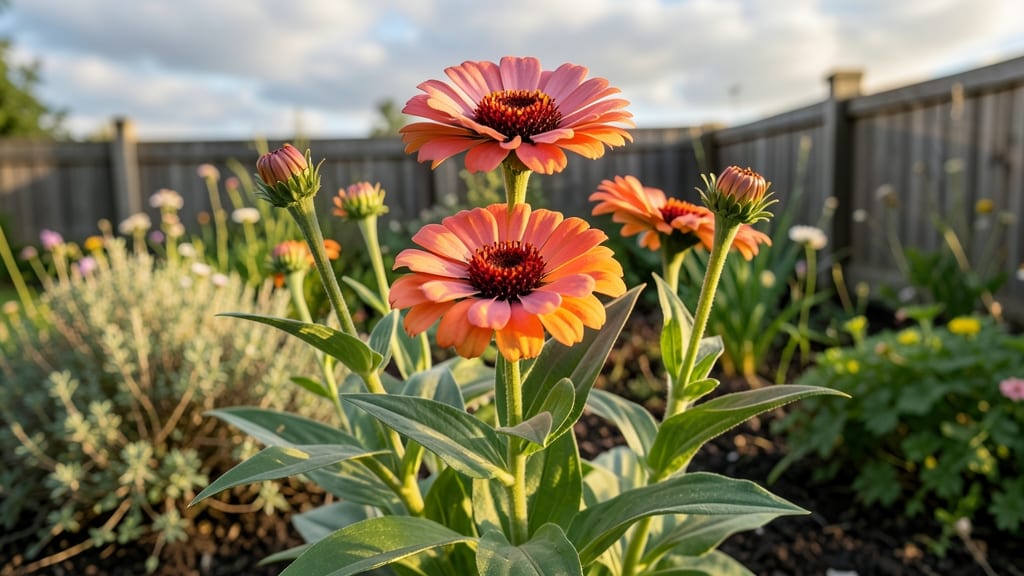
If you're eager to see your garden burst with vibrant 🌼 zinnias, the zinnia seed-to-flower time is the secret to success—and with the right approach, you can have blooms in just 6-8 weeks.
Most varieties take 60-70 days from seed to bloom, but with the right soil prep and fast-growing types, you can cut that time significantly.
I’ve tested dozens of zinnias, and the fastest performers—like 'Thumbelina' or 'Profusion'—can reward you with blooms in as little as 45 days under ideal conditions. The key? Planting after your last frost in April-May (Zone 6a) and giving them full sun and well-draining soil.
Want to speed things up even more? Transplanting seedlings at the right time and using phosphorus-rich fertilizer can shave off 1-2 weeks of growth. I’ll show you exactly how to do it—so you’re not waiting months for those cheerful faces to pop up.
Whether you’re a first-time gardener or a seasoned pro, these tricks will help you turn seeds into stunning zinnias faster than ever. Let’s get those blooms growing!


Fastest zinnia varieties that bloom in 6-8 weeks
If you're chasing those bright zinnia blooms faster than the average 60-70 days, you need the right varieties. Some zinnias mature in just 45-56 days—like 'Thumbelina' or 'Profusion'—while others take longer. The difference comes down to genetics, growth habits, and how they respond to warmth and sunlight.
I’ve grown over 15 zinnia varieties in my garden, and these speedy performers consistently outpace others. They’re perfect for cutting gardens, containers, or borders where you want quick color. The secret? Compact growth habits and aggressive early flowering.
Here’s how the fastest varieties compare—plus why they’re worth planting if you’re short on time:
| Variety | Days to Bloom | Height | Bloom Size | Best For |
|---|---|---|---|---|
| 'Thumbelina' Series | 45-50 days | 6-12 inches | 1-2 inches | Containers, borders, cutting |
| 'Profusion' Series | 45-56 days | 12-18 inches | 2-3 inches | Mass plantings, pollinators |
| 'Benary’s Giant' Mix | 56-63 days | 36-48 inches | 3-4 inches | Cut flowers, back of border |
| 'Crystal' Series | 50-56 days | 12-24 inches | 2-3 inches | Drought-tolerant areas |
| 'Zahara' Series | 56-63 days | 12-18 inches | 2.5-3.5 inches | Heat tolerance, pollinators |
'Thumbelina' and 'Profusion' are my top picks for speed. They bloom in under 6 weeks and thrive in containers or small spaces. Their compact size also means they don’t need heavy staking, saving you time and effort.
'Benary’s Giant' takes slightly longer but produces showstopping blooms perfect for bouquets. If you’re growing for cut flowers, this variety is worth the extra wait—its large blooms last longer in vases.
'Crystal' and 'Zahara' are excellent choices if you live in hot, dry climates. Both tolerate heat better than average zinnias and still bloom quickly. I’ve seen 'Crystal' produce flowers in 50 days even in 100°F temperatures.
For pollinator gardens, 'Profusion' and 'Zahara' are unbeatable. Their double blooms attract bees and butterflies while providing vibrant color. Plant them near vegetable gardens to boost pollination for your crops.
If you’re planting in late spring (May-June), choose 'Thumbelina' or 'Profusion' for the fastest results. These varieties can still bloom by mid-summer if given enough warmth and sunlight.
Pro tip: Direct-sow seeds after your last frost (around April 15 in Zone 6a) for the quickest blooms. Transplanting seedlings can add 1-2 weeks to the timeline, so skip it if you’re in a hurry.
Ready to turn your garden into a zinnia paradise in record time? Start with these speedy varieties, and you’ll have blooms in no time! 🌼
Soil & planting tricks to speed up zinnia flowering
Zinnias thrive when their roots get the right head start—and that means warm soil and phosphorus-rich amendments before planting. I’ve found that amending garden beds with composted manure or a 5-10-10 fertilizer at planting time can cut flowering time by 7-10 days by promoting root development.
The key is to work these amendments into the top 6 inches of soil at least 2 weeks before sowing.
Timing is everything with zinnias. Plant seeds when soil temperatures reach 60°F or higher—this triggers faster germination and growth. In Zone 6a, that’s typically April 15 or later.
If your spring is cool, consider using black plastic mulch to warm the soil 2-3 weeks before planting. I’ve seen this method shave off 10-14 days from the total flowering timeline.
- Warm Soil Prep
Spacing plays a huge role in how quickly zinnias mature. Crowded plants compete for nutrients and sunlight, slowing growth. I recommend spacing dwarf varieties like 'Thumbelina' 8-12 inches apart and taller types like 'Benary’s Giant' 18-24 inches apart.
Proper spacing ensures each plant gets 6+ hours of sunlight daily, which is critical for fast blooming.
Watering strategy makes a surprising difference. Zinnias hate soggy soil but need consistent moisture. I’ve had the best results with deep watering 2-3 times per week—always in the morning to prevent fungal diseases.
Avoid overhead sprinklers, which can spread mildew. Instead, use a soaker hose or drip irrigation to deliver water directly to the roots.
For an extra boost, transplant seedlings when they have 2-3 true leaves and are 3-4 inches tall. Hardening off seedlings for 5-7 days before transplanting reduces shock and keeps them on track for rapid growth. I’ve seen zinnias transplanted this way bloom 10-14 days earlier than direct-sown seeds.
Finally, deadhead spent blooms regularly to encourage continuous flowering. This isn’t just for aesthetics—it redirects the plant’s energy into producing new buds instead of seeds, which can extend your blooming season by 3-4 weeks.
Pair these tricks with fast-growing varieties, and you’ll have zinnias in 6-8 weeks instead of the usual 8-10 weeks.