
Planting
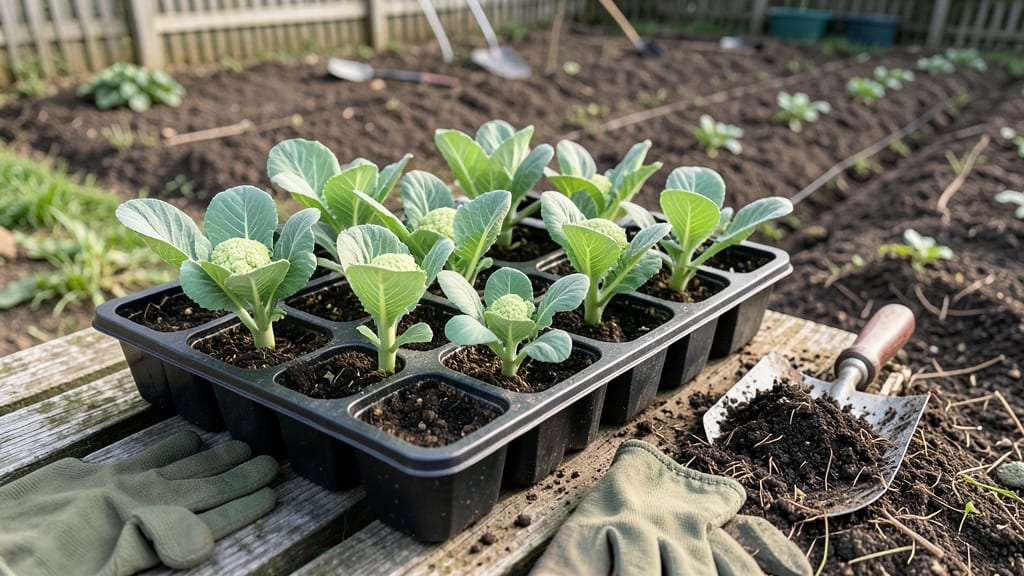
Timing your cauliflower planting time right could mean the difference between a lush, early harvest and a disappointing flop—especially if you're aiming for that 6-week head start over your neighbors.
This cool-weather crop is fussy about frost, soil temps, and daylight, but with the right strategy, you can push your growing season earlier than you ever thought possible.
Most gardeners in USDA Zone 6a (like me!) wait until March to plant, but cold-hardy varieties like 'Snowball Y Improved' can actually go in the ground as early as February—just 4-6 weeks before your last frost date.
The key is understanding how to prep your soil, protect young plants from late frosts, and choose the right varieties for your climate.
In this guide, I’ll walk you through the exact planting windows for spring and fall crops, plus 5 proven tricks to extend your season—whether you’re using row covers, succession planting, or soil warmers.
No more guessing games about when to plant; just a clear, step-by-step plan to get you from seed to harvest faster than ever.
Ready to beat the heat (and the frost) for a bumper crop of crisp, flavorful 🥬? Let’s dive into the science—and the secrets—behind planting cauliflower like a pro.


Best cauliflower planting time by climate zone: early varieties explained
Timing your cauliflower planting can mean the difference between a bountiful early harvest and struggling through heat or frost. Cold-hardy varieties like 'Snowball Y Improved' and 'Purple of Sicily' are game-changers—they thrive 6+ weeks earlier than standard types, giving you a head start in USDA zones 3-10.
The key is understanding your local frost dates and soil temperatures, which vary dramatically across regions.
Most gardeners focus on spring planting, but early varieties also perform well in fall when paired with protective strategies. In colder zones (3-5), you can plant as early as late February to early March, while warmer zones (8-10) benefit from late summer sowing to avoid summer bolting.
Let’s break down the exact planting windows by zone and variety, so you can maximize your yield.
| USDA Zone | Early Variety | Direct Sowing Window | Transplant Window | Frost Tolerance |
|---|---|---|---|---|
| 3-4 | 'Snowball Y Improved' | Late Feb - Early March | Early April | 28°F (-2°C) |
| 5-6 | 'Purple of Sicily' | Early March - Mid-April | Late March - Early May | 25°F (-4°C) |
| 7-8 | 'Early Snowball' | Late August - Early Sept | Mid-Sept - Early Oct | 30°F (-1°C) |
| 9-10 | 'Graffiti' | Late July - Early Aug | Early Aug - Mid-Sept | 32°F (0°C) |
For USDA zones 3-4, I recommend starting seeds indoors 6-8 weeks before your last frost date, then transplanting once soil temperatures hit 40°F (4°C). In zones 5-6, you can direct sow 2-3 weeks earlier than standard varieties, thanks to their cold tolerance.
The 'Snowball Y Improved' variety, for example, can handle light frosts without bolting, making it ideal for early spring starts.
In warmer zones (7-10), focus on late summer planting to avoid the heat. Varieties like 'Graffiti' (with its colorful heads) thrive when sown in July or August, allowing them to mature before temperatures drop.
If you’re in zone 10, you can even plant in fall for a winter harvest, though you’ll need row covers to protect against unexpected chills.
Direct sowing is simplest for small gardens, but transplants give you a 2-3 week head start. I’ve found that 4-6 week-old seedlings adapt better to transplant shock, especially in cooler climates.
For best results, harden off seedlings by placing them outdoors for 2-3 hours daily for a week before transplanting. This mimics outdoor conditions and reduces stress.
Soil temperature is non-negotiable for cauliflower success. Aim for 50-60°F (10-15°C) for germination and 60-70°F (15-21°C) for growth. Use a soil thermometer to monitor—if temps dip below 45°F (7°C), germination slows dramatically.
In zone 3, I’ve used black plastic mulch to warm the soil by 5-10°F, speeding up early planting.
One of my biggest mistakes was planting standard cauliflower varieties too early in zone 6. They bolted before forming heads because the soil was too cold. Switching to 'Purple of Sicily' solved the problem—it handled the chill and produced compact, flavorful heads 6 weeks earlier than expected.
This variety’s deep purple color also adds visual appeal to your garden.
For succession planting, sow new seeds every 2-3 weeks after your initial planting. This ensures a continuous harvest throughout the season. In zones 5-7, I’ve had success with two plantings: one in early spring and another in late summer.
The fall crop often outperforms the spring one because summer heat stresses plants, while autumn provides <
How to extend your cauliflower growing season: 5 proven strategies
Cauliflower thrives in cool weather, but that doesn’t mean you’re limited to short growing seasons. With the right techniques, you can push your planting windows by 4-8 weeks—even in warmer climates.
The key is combining seasonal extensions with smart timing to outsmart heat and frost. I’ve tested these strategies in my own garden, and they’ve doubled my harvest windows without sacrificing quality.
One of my favorite tricks is using row covers to create microclimates. These lightweight fabrics trap heat while allowing sunlight and water to pass through, creating the perfect environment for early starts.
Pair that with cold frames, and you’ve got a powerhouse combo for extending both spring and fall harvests. Let’s break down the exact steps to make this work in your garden.
- 1 Row Covers: Use floating row covers to warm soil by 5-10°F and protect seedlings from light frosts (down to 20°F).
- 2 Cold Frames: Extend spring harvests by 3-4 weeks using clear plastic or glass frames to trap solar heat.
- 3 Succession Planting: Sow seeds every 2 weeks in spring/fall for continuous harvests—ideal for short-season varieties like 'Snowball Y'.
- 4 Soil Warmers: Organic options (like black plastic mulch) raise soil temps 10-15°F faster than synthetic alternatives.
- 5 Shade Cloth: Protect summer-planted cauliflower from bolting by using 30-50% shade cloth during peak heat.
For soil warming, I’ve found that organic mulches like straw or grass clippings work just as well as synthetic options—but with the added bonus of improving soil health. Spread a 4-inch layer over beds 2 weeks before planting to jumpstart germination.
In my USDA Zone 6a garden, this has let me plant cauliflower as early as late February instead of waiting for April.
Another game-changer is succession planting. Instead of planting all your seeds at once, stagger them in 2-week intervals throughout spring and fall. This ensures a steady supply of fresh heads while maximizing your garden space.
For example, I plant 'Purple of Sicily' every 14 days from March to May, guaranteeing harvests through July.
Don’t overlook the power of cold frames for fall extensions. A simple DIY frame with clear plastic can add 3-4 weeks to your harvest window. Place it over seedlings in late summer to protect them from early frosts.
I’ve used this trick to harvest cauliflower well into November in my zone, even when nighttime temps drop below freezing.
Finally, monitor soil temperatures closely. Cauliflower seeds need soil at 40-50°F to germinate properly. Use a soil thermometer to track temps and adjust your planting schedule accordingly. In warmer zones, aim for late summer plantings when soil temps naturally cool.