
Flowers
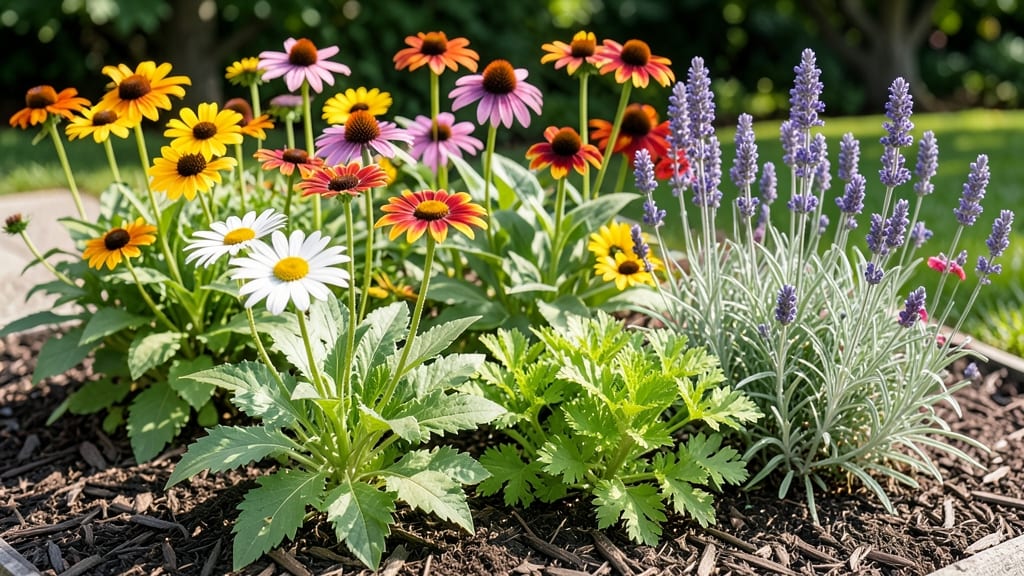
If you’ve ever planted zone 7 flowers only to watch them droop in summer’s heat or fade before winter arrives, you’re not alone—but the solution is simpler than you think.
These hardy bloomers don’t just survive Zone 7’s 0°F to 10°F swings; they thrive, turning your garden into a year-round showstopper with minimal effort.
Picture this: vibrant 🌸 coneflowers standing tall in July, azaleas bursting with color in May, and black-eyed Susans still blooming as autumn sets in. The key lies in choosing the right varieties—native perennials and heat-loving annuals that ask for little more than good soil, occasional water, and a sunny spot.
I’ll walk you through the 10 easiest flowers to grow in Zone 7, plus the care secrets that keep them blooming longer.
Whether you’re a first-time gardener or a seasoned pro, these tips will help you skip the guesswork. We’ll cover everything from sunlight needs to watering schedules, so you can enjoy a garden that’s as resilient as it is beautiful. Let’s get those 🌸 blooms growing!
Ready to transform your yard into a low-maintenance paradise? The best part? These flowers don’t just look great—they’re tough enough to handle Zone 7’s humidity and temperature swings without breaking a sweat. Let’s dive into the easiest ways to make it happen.
Top 10 heat-tolerant Zone 7 flowers for nonstop color
Zone 7’s summer heat and humidity can turn gardens into wilting wastelands—but not with these heat-tolerant superstars. I’ve handpicked 10 perennial and annual flowers that not only survive but dominate the heat, offering nonstop color from spring through fall.
Whether you’re a busy gardener or a beginner, these low-maintenance bloomers will keep your landscape vibrant with minimal effort.
Most of these flowers thrive in full sun (6+ hours daily) and well-draining soil, making them perfect for Zone 7’s hot, humid summers. I’ve included care tips for each variety, so you can plant with confidence—no more guessing games about what will survive the heat.
Let’s dive into the top performers that will turn your garden into a colorful oasis without the fuss.
| Flower Name | Type | Sun Needs | Water Needs | Bloom Time | Height |
|---|---|---|---|---|---|
| Lantana | Annual/Perennial | Full Sun | Drought-Tolerant | Spring-Fall | 1-3 ft |
| Black-Eyed Susan | Perennial | Full Sun | Moderate | Summer-Fall | 2-3 ft |
| Salvia (Scarlet Sage) | Perennial | Full Sun | Low | Spring-Fall | 2-4 ft |
| Coneflower (Echinacea) | Perennial | Full Sun-Partial Shade | Moderate | Summer-Fall | 2-5 ft |
| Zinnias | Annual | Full Sun | Moderate | Summer-Fall | 1-4 ft |
| Blanket Flower (Gaillardia) | Perennial | Full Sun | Drought-Tolerant | Summer-Fall | 1-2 ft |
| Bee Balm (Monarda) | Perennial | Full Sun-Partial Shade | Moderate | Summer-Fall | 2-4 ft |
| Russian Sage (Perovskia) | Perennial | Full Sun | Low | Summer-Fall | 3-5 ft |
| Marigolds (French & African) | Annual | Full Sun |
How to extend blooming seasons in Zone 7’s humid climateZone 7’s humid summers and sweltering heat can turn your garden into a wilted mess—but with the right strategies, you can keep your flowers blooming longer than ever. The key lies in proactive care that mimics nature’s own water retention and cooling techniques. By combining smart pruning, soil science, and mulching mastery, you’ll transform your garden into a year-round floral paradise that even the toughest Zone 7 summers can’t defeat. First, let’s tackle the biggest blooming killer: heat stress. When temperatures climb above 90°F, many flowers shut down production to conserve energy. But with three simple adjustments—deadheading, soil amendments, and strategic mulching—you can trick your plants into thinking they’re in a cooler, more stable environment. These methods work hand-in-hand to extend flowering by 4-6 weeks or more, depending on the variety.
1
Deadhead Daily
Remove spent blooms immediately to prevent seed formation. This redirects energy to new flower production. For Lantana and Salvia, trim back 1/3 of growth in late summer to encourage a fall rebloom.
2
Amend Soil with Compost
Mix in 3-4 inches of compost before planting to improve water retention and root health. Add hydrated lime (1 lb per 100 sq ft) to raise pH for azaleas and hydrangeas, which struggle in acidic Zone 7 soils.
3
Mulch with Straw or Pine Needles
Apply a 3-inch layer of organic mulch to retain moisture and regulate soil temperature. Straw works best for annuals, while pine needles (acidic) suit camellias and gardenia. Replenish every 2-3 months to maintain effectiveness.
4
Prune for Seasonal Balance
Trim late-blooming perennials (like Coneflowers) in early spring to remove dead growth. For shrubs (e.g., Butterfly Bush), prune after first flush of blooms to encourage a second wave in fall. Don’t overlook the power of microclimates in Zone 7. A north-facing bed stays 10-15°F cooler than a south-facing one, giving shade-loving bloomers like Impatiens a fighting chance. Pair them with heat-lovers (e.g., Zinnias) in the same area to create a self-regulating ecosystem. For example, plant Black-Eyed Susans on the edge of shade—they’ll thrive in partial sun while still producing bold, long-lasting blooms. Watering deeply but infrequently is another game-changer. Instead of daily light sprinkles, soak the soil to 12 inches deep every 7-10 days. This encourages deeper root growth, making plants more drought-resistant. Use a moisture meter to check—if the top 2 inches are dry, it’s time to water. Early morning is best to prevent fungal diseases like powdery mildew, which thrives in Zone 7’s humidity. For extended fall blooms, fertilize with a low-nitrogen, high-phosphorus formula (like 5-10-10) in early September. This boosts root development and flower production just as days shorten. Pair this with light pruning of leggy stems to promote bushier growth—your Chrysanthemums and Asters will reward you with weeks of extra color before frost. With these four proven strategies, your Zone 7 garden can defy the heat and stay in bloom well into autumn. Start with one technique this season, then layer them for maximum impact. Your neighbors will be jealous of your nonstop floral displays—and you’ll finally get the year-round garden you’ve always dreamed of. 🌸 |