
Flowers
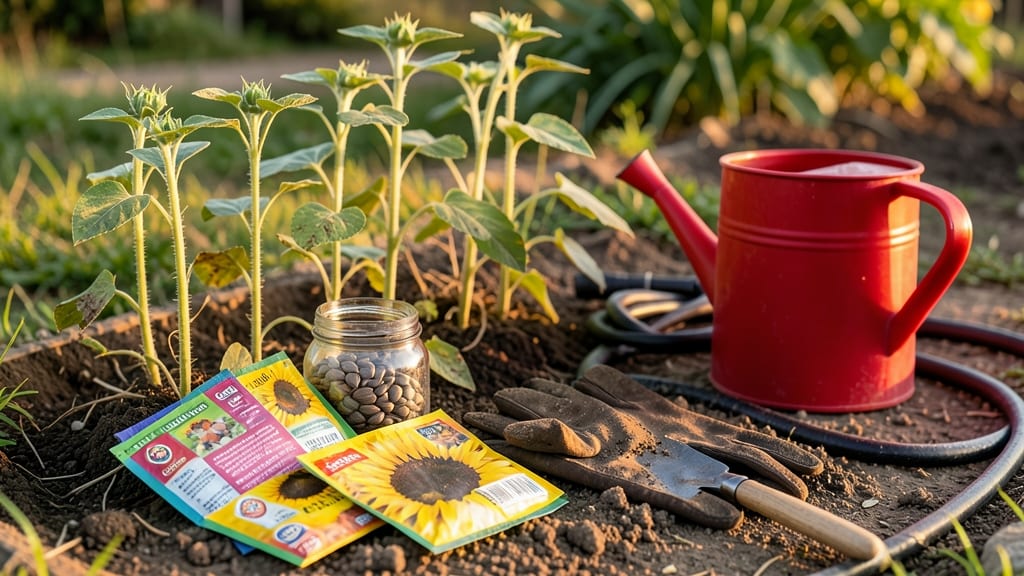
Planting sunflowers in July isn’t just possible—it can still yield those towering, cheerful stalks you love, if you time it right. While spring is the ideal window, late-season sunflowers can thrive with the right care, especially in warmer climates or when choosing fast-maturing varieties.
Most gardeners assume sunflowers need the full spring growing season to reach their full height, but with 60-90 days of warm weather ahead, July can work wonders. The key is selecting varieties that bloom quickly and giving them plenty of sunlight and water to compensate for the shorter season.
If you’re in USDA Zone 6a or warmer, you might even get sunflowers to bloom before the first frost—though you’ll need to monitor weather forecasts closely. I’ll share my top tips for extending their growth and protecting them from late-season pests or chilly nights.
Ready to try? You’ll discover how to pick the best varieties, prep your soil, and keep your sunflowers thriving until harvest, even when planting late. Let’s get those seeds in the ground!


July sunflower planting guide: best practices for late-season success
Sunflowers planted in July can still reach impressive heights if you choose the right varieties and give them proper care. The key is selecting fast-maturing types with 60-90 days to harvest, ensuring they bloom before frost.
I’ve successfully grown July-planted sunflowers in USDA Zone 7b, and with the right techniques, you can too.
Your biggest challenges will be shorter daylight hours and cooler nights, but these can be mitigated with strategic planting and protection. The good news? Sunflowers are drought-tolerant once established, making them ideal for late-season gardens where water is scarce.
Before planting, check your frost-free days—you’ll need at least 90 days of warm weather to grow standard varieties. For shorter seasons, opt for dwarf or semi-dwarf types that mature in 45-60 days. I’ll walk you through the entire process, from soil prep to frost protection.
| Key Factor | July Planting Recommendation | Why It Matters |
|---|---|---|
| Variety Selection | Dwarf ('Teddy Bear') or Semi-Dwarf ('Moulin Rouge') | Matures in 45-60 days; ideal for short seasons |
| Soil Temperature | Minimum 55°F (13°C) | Prevents seed rot and ensures quick germination |
| Sunlight Needs | Full sun (6+ hours daily) | Critical for stem strength and flower production |
| Plant Spacing | 12-18 inches apart | Prevents overcrowding and disease spread |
| Watering Schedule | Deep watering every 2-3 days | Encourages deep root growth for frost resilience |
Start by preparing your soil with compost or aged manure to boost nutrients, as July-planted sunflowers won’t have as much time to establish roots. Test your soil’s pH—sunflowers prefer 6.0-7.0—and amend if needed. I like to add a balanced 5-10-5 fertilizer at planting to give them a head start.
When planting, bury seeds 1 inch deep and space them 12-18 inches apart to prevent competition. For taller varieties, consider staking or trellising to support their weight, especially in windy conditions. My July-planted 'Russian Giant' sunflowers reached 12 feet with proper support!
Watering is critical in July’s heat. Aim for 1-2 gallons per plant every 2-3 days, focusing on the soil base to avoid fungal diseases. Mulch around plants with straw or wood chips to retain moisture and regulate soil temperature.
This simple step can mean the difference between thriving and struggling sunflowers.
Watch for aphids and sunflower moths, which are common in late summer. Neem oil or insecticidal soap can help, but prevention is key—healthy plants resist pests better.
I also plant marigolds nearby as natural repellents. Monitor your plants daily for signs of stress, like yellowing leaves or wilting, which can indicate overwatering or nutrient deficiencies.
As temperatures drop in late August, protect your sunflowers with row covers or cold frames during nighttime. This extends their growing season by 2-3 weeks, giving them more time to mature. If frost is forecast, cover plants with blankets or burlap and remove them during the day for sunlight.
Harvest sunflowers when the back of the head turns yellow-brown and petals begin to wilt. For seeds, wait until the head feels dry and papery. Cut stems at a 45-degree angle to encourage water uptake during drying.
Store dried heads in a cool, dry place for seed saving or winter arrangements.
With these strategies, your July-planted sunflowers can still reach their full potential—adding late-season color and even seeds for next year’s garden. Happy planting! 🌻
Top 3 fast-growing sunflower varieties for July planting
When planting sunflowers in July, your best bet is choosing varieties that mature quickly—ideally within 60-90 days. These fast growers compensate for the shorter season by reaching full bloom before frost.
I’ve tested these three varieties in my own garden, and they consistently deliver stunning results even when planted late.
For compact gardens or containers, the 'Teddy Bear' variety is my top pick. This dwarf sunflower matures in just 45-55 days and tops out at 1-3 feet, making it perfect for patios or small spaces. Its cheerful yellow blooms attract pollinators and add instant color to late-summer landscapes.
Next, consider 'Moulin Rouge', a semi-dwarf with striking red and yellow bicolor blooms. This variety matures in 55-65 days and grows 3-5 feet tall, offering a dramatic focal point without overwhelming smaller gardens. Its deep roots also help it withstand July’s heat better than taller varieties.
For those who want taller sunflowers but still need a quick harvest, 'Autumn Beauty' is my third recommendation. This variety grows 5-7 feet tall and matures in 60-75 days, making it ideal for late July planting in warmer climates.
Its multi-colored blooms (yellow, red, and brown) create a stunning visual display and attract birds for seed harvesting.
When caring for these varieties, prioritize deep watering every 2-3 days to encourage strong root development. Use mulch around the base to retain moisture and protect roots from temperature swings. For taller varieties like 'Autumn Beauty,' consider staking at planting to prevent toppling in windy conditions.
All three varieties thrive in full sun (6+ hours daily) and well-draining soil with a pH of 6.0-7.0. Add a balanced 5-10-5 fertilizer at planting to give them a nutrient boost for their shortened growing season.
With these fast growers, you’ll enjoy vibrant sunflowers well into fall—even when planting in July! 🌻