
Light Requirements
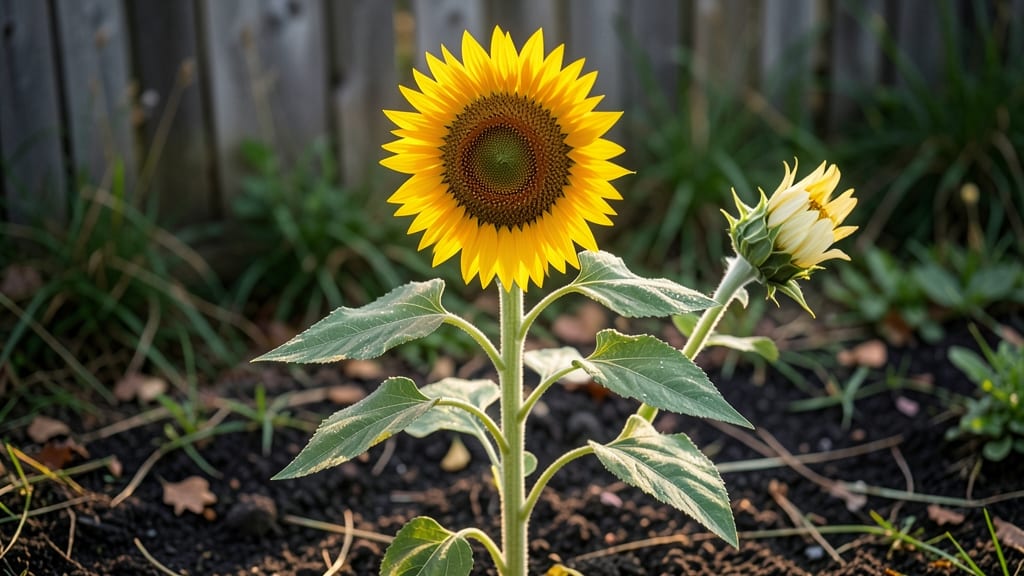
If you’ve ever planted a sunflower 🌻 and watched it stretch toward the sky like a sleepy giant reaching for a yawn, you’ve witnessed firsthand how critical sunlight is to their growth—but does sunflower need sunlight?
The answer is a resounding yes. These towering beauties aren’t just picky about light—they’re obsessed with it, and without enough, they’ll struggle to grow past a sad, spindly seedling.
Sunflowers thrive in full sun, meaning they need at least 6 hours of direct sunlight daily to reach their full potential. Skimp on the light, and you’ll end up with weak stems, pale leaves, and flowers that never fully bloom.
But here’s the good news: with the right placement and a few simple tricks, you can give your sunflowers the light they crave—even in less-than-ideal spots.
I’ll break down exactly how much sunlight sunflowers need at each stage of growth, how to spot when they’re not getting enough, and what you can do to fix it.
Whether you’re dealing with a shady backyard or just curious about how to maximize your sunflower’s height, this guide has you covered.
From choosing the right variety to tweaking your garden layout, you’ll learn how to turn your sunflowers into the sun-worshipping giants they’re meant to be. Let’s get started!

How much sunlight do sunflowers need daily for optimal growth?
Sunflowers are sun-worshippers, and their growth is directly tied to the amount of direct sunlight they receive. While they can tolerate some shade, 6-8 hours of full sun daily is non-negotiable for optimal growth and those iconic towering blooms.
Without enough light, their stems stretch weakly, leaves pale, and flowering is delayed or nonexistent. Let’s break down their sunlight needs by growth stage and how to ensure your sunflowers get the light they crave.
Sunflowers thrive in full sun conditions, meaning they need at least 6 hours of direct sunlight per day. This requirement changes slightly depending on the growth stage—seedlings need gentle light, while mature plants demand maximum exposure.
Understanding these stages helps you position your sunflowers perfectly in your garden. Below, we’ll explore how sunlight impacts each phase and what happens if they don’t get enough.
The photosynthesis process in sunflowers is highly efficient under full sun, producing the energy needed for rapid stem elongation and vibrant blooms. Chlorophyll in their leaves absorbs sunlight, converting it into glucose—the fuel for growth. When sunlight is limited, photosynthesis slows, leading to weak stems and smaller flowers.
For example, a sunflower in partial shade might only reach 3 feet tall, while one in full sun can soar to 12 feet or more.
To calculate sunlight exposure in your garden, observe the sun’s path throughout the day. Use a sunlight tracker app or place a white board where you plan to plant—mark the shadows cast every hour. Aim for a spot where the area receives uninterrupted sunlight for at least 6 hours.
South-facing gardens in the Northern Hemisphere are ideal, as they capture the most sunlight. If your garden lacks full sun, consider reflective surfaces like white mulch or mirrors to bounce extra light onto your plants.
One common misconception is that sunflowers can thrive in partial shade. While they can survive with 4-6 hours of sun, their growth will be stunted, and blooms may never fully open.
For instance, the ‘Teddy Bear’ variety, a dwarf sunflower, tolerates partial shade better than giant varieties but still needs at least 4 hours of direct light daily.
If you’re growing sunflowers in containers, place them in the sunniest spot on your patio or balcony, rotating them daily to ensure even light exposure.
If you’re in a region with limited sunlight, choose dwarf varieties like ‘Moulin Rouge’ or ‘Autumn Beauty,’ which tolerate slightly less light than their towering counterparts. However, even these varieties will perform best with at least 6 hours of sun.
For container gardening, elevate pots to maximize light exposure or use grow lights to supplement natural sunlight during cloudy days. A simple LED grow light placed 12-18 inches above seedlings can make a significant difference in their early growth.
Another pro tip: Thin your seedlings once they’re 2-3 inches tall, spacing them 6-12 inches apart to reduce competition for sunlight. Overcrowded sunflowers will stretch toward the light, becoming leggy and weak. Additionally, avoid planting sunflowers near tall trees or structures that cast long shadows.
If you must plant in a partially shaded area, opt for early-maturing varieties to ensure they get enough light before the season ends.
Monitor your sunflowers’ leaf color and growth rate to gauge their sunlight needs. Healthy sunflowers have deep green leaves and sturdy stems. If leaves turn pale or yellow, it’s a sign of light deficiency. Similarly, if stems grow thin and elongated, they’re reaching for more light.
Adjust their position or supplement with grow lights to correct these issues early. With the right amount of sunlight, your sunflowers will reward you with vibrant blooms and robust stems that reach for the sky.
In summary, sunflowers are sun-dependent plants, and their growth stages dictate how much light they need. Seedlings can handle partial shade, but vegetative and flowering stages require full sun exposure. By understanding these needs and calculating sunlight in your garden, you’ll set your sunflowers up for success.
With 6-8 hours of direct sunlight daily, these giants will thrive, reaching their full
Signs your sunflowers aren’t getting enough sunlight (and how to fix it)
If your sunflowers 🌻 are growing slower than expected or looking pale and weak, they’re likely begging for more sunlight. Sunflowers are sun-hungry plants that need at least 6 hours of direct sunlight daily to thrive.
When deprived, they show clear signs of distress—starting with stunted growth and ending with flowers that never fully bloom.
I’ve seen firsthand how sunlight deprivation turns vibrant sunflowers into sad, leggy shadows of their potential. The good news? Recognizing these signs early gives you time to adjust your garden layout or try simple fixes like reflective surfaces or shade-tolerant varieties.
Let’s dive into the tell-tale symptoms and how to revive your sunflowers.
⚠️ callout warning
Sunflowers won’t just stop growing—they’ll waste energy trying to stretch toward light, leading to weak stems that snap easily in wind or rain. Pale yellow leaves and delayed flowering are red flags that your plants are starving for sunlight. Without intervention, they’ll produce small, underdeveloped blooms or fail to flower at all.
Action Step: Move plants to a sunnier spot immediately or supplement with a grow light for 4–6 hours daily. For containers, relocate them to a south-facing window or balcony.
One of the first signs your sunflowers aren’t getting enough light is leggy, stretched stems. When sunlight is scarce, sunflowers elongate rapidly in a desperate bid to reach light sources.
These weak, spindly stems are prone to breaking and often flop over under their own weight. If you notice your plants looking like tall, skinny pencils, it’s time to act.
Another clear indicator is pale or yellowing leaves, especially on the lower stems. Sunflowers need sunlight to produce chlorophyll, the pigment that gives leaves their green color. Without enough light, leaves lose their vibrancy and may even develop purplish or reddish hues as a stress response.
Check the undersides of leaves—if they’re pale or yellow, your plants are light-deprived.
Delayed or absent flowering is perhaps the most heartbreaking sign. Sunflowers are photoperiod-sensitive, meaning they need a specific amount of light to trigger blooming. If your plants are taking forever to flower or producing tiny, underdeveloped buds, they’re not getting enough sunlight.
In extreme cases, sunflowers may never bloom at all if deprived of light during their vegetative stage.
To fix these issues, start by relocating your sunflowers to the sunniest spot in your garden. If your yard is shaded by trees or buildings, consider pruning nearby foliage or removing obstructions to increase light exposure.
For container growers, rotate pots daily to ensure even light distribution, or use reflective surfaces like white walls or mirrors to bounce extra light onto your plants.
If you’re in a low-light area, opt for dwarf or shade-tolerant varieties like ‘Teddy Bear’ or ‘Moulin Rouge,’ which can thrive with 4–6 hours of sunlight. Pair them with tall companion plants like corn or sun-loving herbs to maximize light reflection.
With these adjustments, your sunflowers will rebound quickly and reward you with bold, cheerful blooms all season long. 🌻