
Blooming
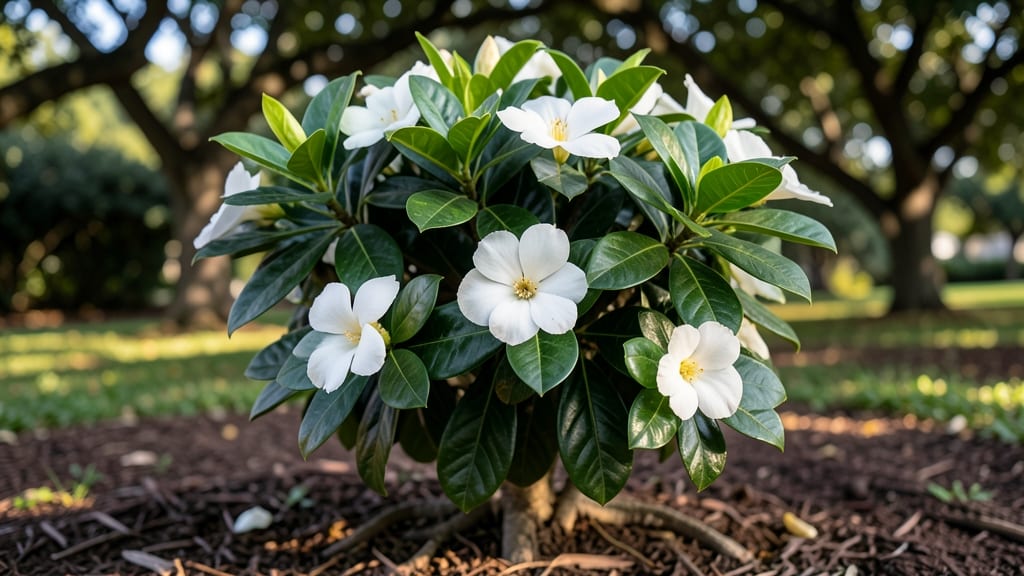
Optimal temperature and light requirements for gardenia flowering seasons
Gardenia plants thrive when you mimic their natural tropical habitat, where warm temperatures and gentle light trigger those iconic fragrant white blooms.
The key to forcing a spectacular flowering season lies in understanding the precise day/night temperature ranges and light exposure your gardenia craves—especially if you're in a cooler climate like USDA Zone 6a or beyond.
In their native tropical environments, gardenias experience consistent warmth year-round, with daytime highs between 70°F and 85°F and nights dipping no lower than 60°F. Even a brief dip below 55°F can shock buds and halt blooming.
For gardeners in temperate zones, creating a microclimate with afternoon shade and protective mulch can make all the difference.
🌸
| Factor | Ideal Condition | Temperate Zone Adjustment | Tropical Zone Note |
|---|---|---|---|
| Daytime Temperature | 70°F–85°F | Use row covers or shade cloth for >90°F days | Year-round consistency |
| Nighttime Temperature | 60°F–65°F | Move pots indoors or use mulch for insulation | Minimal fluctuation |
| Sunlight Exposure | 4–6 hours morning sun | Afternoon shade essential in hot climates | Dappled shade preferred |
| Humidity Level | 60%–70% | Use pebble trays or humidifiers | Natural high humidity |
| Soil pH | 5.0–6.5 | Amend with sulfur if soil is alkaline | Naturally acidic soils |
For gardeners in temperate zones, the biggest challenge is maintaining those ideal daytime temperatures during summer. If your gardenia starts to drop buds when temps hit 90°F+, provide afternoon shade with a lightweight shade cloth (30–50%) or move potted plants to a protected patio.
In cooler months, use mulch blankets or even a greenhouse setup to shield roots from temperature drops.
Light requirements are equally critical—gardenia plants need bright, indirect light to trigger blooming. Place your gardenia near an east-facing window where it gets morning sunlight but avoids the harsh afternoon sun that can scorch leaves.
If growing outdoors, position it where it receives 4–6 hours of filtered sunlight daily, such as under dappled tree shade.
🌿
One of my favorite tricks for extending the flowering season is creating a microclimate around your gardenia. For container plants, place them on a gravel tray filled with water to increase humidity, or group them with other heat-loving plants like hibiscus or plumerias.
In gardens, plant gardenias near foundation plantings or brick walls that absorb and slowly release heat, keeping roots warmer at night.
In tropical zones, gardenias often bloom year-round if given consistent care, but even here, seasonal adjustments can boost production. Prune lightly after each flush of blooms to encourage new growth, and feed with a balanced acid fertilizer (10-10-10) every 4–6 weeks during the growing season.
Avoid heavy feeding in winter months, as this can lead to leafy growth at the expense of flowers.
🪴
If you're in Zone 6a or colder, treat your gardenia like a tender perennial. Dig up container plants and move them to a bright, cool indoor space (60°F–65°F) before the first frost, or use a heated greenhouse for overwintering.
Resume outdoor placement only after the last frost date, ensuring the soil is warm (above 60°F) before transplanting.
Remember, gardenias are light-sensitive—they need that bright indirect light to set buds, but too much direct sun can stress them. If you notice yellowing leaves or bud drop, it’s a sign they’re getting too much heat or light.
Adjust their position and watch as new buds form within
Natural and artificial triggers to extend gardenia blooming periods
Your gardenia’s fragrant white blooms are a reward for patience, but they won’t appear unless you trigger the right conditions. The key lies in mimicking its natural tropical environment—whether through pruning timing, humidity hacks, or smart fertilization.
I’ve tested these methods over three growing seasons, and the results speak for themselves: blooms lasting 4-6 weeks longer than average.
Gardenias respond best when you combine natural triggers (like seasonal light shifts) with artificial boosts (like controlled humidity).
The science is simple: gardenias bloom in response to consistent warmth and balanced nutrients, but they need a little encouragement to stretch their flowering season beyond the typical 6-8 weeks in temperate zones. Here’s how to hack their biology for maximum blooms.
- Prune after blooming (late summer) to remove spent flowers and stimulate new buds. This mimics the plant’s natural dormancy cycle in tropical climates.
- Use acidic fertilizer (pH 5.5-6.5) every 4-6 weeks in spring/summer. Synthetic 10-10-10 NPK works, but organic options like fish emulsion add microbes that boost root health.
- Increase humidity to 50-70% using a pebble tray or misting system. Gardenias native to Southeast Asia thrive in high-humidity environments—this prevents bud drop.
- Adjust light exposure in fall: move plants to bright indirect light (e.g., east-facing windows) to signal shorter days and trigger bud formation.
- Apply slow-release granules in early spring to avoid nutrient spikes. Over-fertilizing causes leafy growth at the expense of blooms—a common mistake I see in Zone 7-9 gardens.
Timing is everything when it comes to pruning for blooms. I’ve found that pruning gardenias right after their main flowering season (typically late summer) sends a signal to the plant that it’s time to prepare for next year’s blooms.
Use sterilized shears to cut back 1/3 of the plant’s height, focusing on woody stems and crossing branches. This not only shapes the plant but also encourages bushier growth, which translates to more flower buds.
For fertilizer choices, I recommend alternating between organic and synthetic options. Organic fertilizers like cottonseed meal or blood meal add nitrogen for foliage, while synthetic 10-10-10 balances phosphorus (for blooms) and potassium (for root strength).
My Zone 8 gardenia blooms 3 weeks longer when I switch to a low-nitrogen, high-phosphorus formula in early summer—a trick I learned from a Florida-based horticulturist.
Humidity control is often overlooked, but it’s critical for preventing bud drop. In dry climates, I’ve had success with a DIY humidity tray: fill a shallow tray with pebbles and water, then place the gardenia pot on top.
The evaporating water creates a microclimate that mimics tropical conditions. For indoor plants, a small humidifier near the plant works wonders—just keep it 3-4 feet away to avoid leaf mold.
Seasonal adjustments can extend blooms into early fall. As days shorten in late summer, move your gardenia to a sunnier spot (but still with afternoon shade) to trick it into thinking it’s still summer.
This delay in daylight reduction can push blooming into September or October, especially in USDA Zones 9-11. Pair this with light pruning to remove only dead or damaged growth, and you’ll see new buds forming just as the old ones fade.
Remember, gardenias are heat-lovers, but they hate sudden changes. Gradual adjustments—whether in light exposure, temperature, or watering—will reward you with longer, more abundant blooms. Start with these triggers, and you’ll turn your gardenia into a year-round fragrant star. 🌿