
Blooming
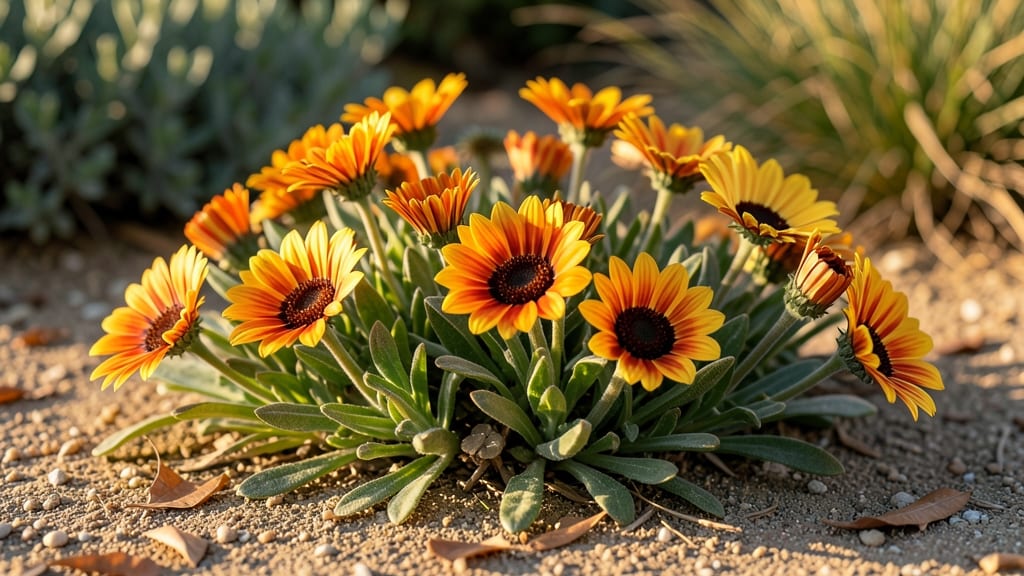
If you’ve ever dreamed of a garden bursting with vibrant, sun-loving blooms that thrive even in the heat, gazanias 🌼 are your secret weapon—but their flowering season depends entirely on where you live.
Here in USDA Zone 6a, those cheerful daisy-like faces typically pop up from June through September, but in warmer climates, they can bloom almost year-round. Whether you’re a first-time gardener or a seasoned pro, knowing when to plant and how to care for them makes all the difference.
I’ll break down exactly when to expect those stunning blooms in your area, plus pro tips to keep your gazanias flowering longer—so you can enjoy their bright colors from early summer well into fall.
Ready to transform your garden into a sunshine-filled paradise? Let’s dive into the best times to plant and how to make the most of your gazania season.
Gazania flower season by USDA Zone: peak bloom times
Gazanias are sun-loving annuals that thrive in warm climates, but their blooming windows shift dramatically depending on your USDA zone.
In cooler zones like Zone 6-7, you’ll see their vibrant faces from late spring to fall, while in Zones 8-11, they can bloom almost year-round with proper care. Understanding these patterns helps you plan for continuous color in your garden.
I’ve grown gazanias in multiple zones, and the biggest lesson I’ve learned? Timing is everything. Plant too early in cool zones, and you’ll risk frost damage.
Plant too late in warm zones, and you’ll miss their peak flowering season. Let’s break down exactly when to expect those cheerful blooms in your area.
In Zones 3-5, gazanias are true annuals with a short blooming window. I’ve found that planting them in late May gives them enough time to establish roots before summer heat sets in. Their peak blooming period—June through August—aligns perfectly with summer’s long daylight hours, ensuring vibrant displays.
For Zones 6-7, where I live, gazanias start blooming in early June and continue through September. The key to extending their season here is deadheading spent blooms and protecting them from early fall frosts.
I’ve had success covering them with frost cloth when temperatures dip below 40°F (4°C).
Gardeners in Zones 8-9 enjoy a near year-round blooming season, with gazanias starting as early as April. These zones benefit from gazanias’ drought tolerance, making them ideal for water-wise gardens. In my Zone 9 garden, I’ve seen gazanias bloom lightly even in November before light frosts arrive.
If you live in Zones 10-11, you’re in luck—gazanias can bloom almost year-round with minimal care. The only challenge is heat stress during summer months. I recommend providing afternoon shade and keeping soil consistently moist to prevent wilting.
Even in winter, you might spot a few late blooms if temperatures stay mild.
One pro tip I’ve learned is that soil temperature matters just as much as air temperature. Gazanias won’t germinate until soil reaches 60°F (15°C). In cooler zones, I’ve had success using black plastic mulch to warm the soil faster and extend the planting window by 2-3 weeks.
For container gardening, gazanias thrive in well-draining pots and can be moved indoors during winter in cooler zones. I’ve kept them alive through Zone 6 winters by bringing pots into a sunny garage or basement with grow lights. This trick lets me enjoy their blooms year-round with minimal effort.
Remember, deadheading is your secret weapon for longer blooming seasons. I spend just 10 minutes weekly snipping off faded blooms, and it keeps my gazanias producing fresh flowers for weeks longer than neighbors who skip this step.
Pair that with regular watering and full sun exposure, and you’ll have gazanias blooming like crazy all season.
Now that you know when to expect those cheerful gazania blooms in your zone, it’s time to plan your garden layout. Place them near patio areas or walkways to enjoy their bright colors up close. Happy gardening! 🌼
How to extend gazania blooms: seasonal care tips
Gazania flowers are famous for their bright, cheerful blooms, but their flowering season can feel short if you don’t take the right steps. I’ve learned that with a few simple seasonal care tips, you can keep those sun-loving flowers blooming well into fall—or even year-round in warm climates.
The key to extending gazania blooms lies in deadheading, proper watering schedules, and preparing for seasonal changes. Whether you’re in a cool USDA Zone 6 or a hot Zone 10, these strategies will help your gazanias shine longer.
🌼 5 Pro Tips to Extend Gazania Blooms
- Deadhead daily: Snip spent blooms early in the morning to encourage new flowers. Use clean pruning shears to avoid damaging stems.
- Water deeply but infrequently: Soak the root zone every 3-5 days (more in summer). Avoid overwatering, which causes root rot.
- Use well-draining soil: Mix sandy loam with compost to prevent soggy roots. Gazanias hate wet feet!
- Fertilize lightly: Apply a balanced 5-10-10 fertilizer every 4-6 weeks during spring/summer. Skip fall/winter feedings.
- Winterize perennials: In USDA Zones 8-10, cut back foliage and mulch. In cooler zones, treat as annuals and replant yearly.
One of my favorite tricks is deadheading in the morning. Gazanias close their petals at night to conserve moisture, so removing spent blooms right after sunrise gives them a fresh start for the day.
I use sharp scissors to trim just above the leaf node—this prevents disease and encourages bushier growth.
For heat zones (USDA 9+), I’ve found that mulching with gravel helps retain moisture while keeping roots cool. In cooler climates (Zones 6-8), a light layer of straw mulch protects roots from temperature swings.
Always water at the base of the plant to avoid wetting leaves, which can lead to fungal issues.
If you’re growing gazanias as perennials in mild winters, reduce watering in fall and stop fertilizing by October. Cut back dead foliage in early spring to stimulate new growth. In frost-prone areas, treat them as annuals—their vibrant blooms are worth replanting every year!
With these simple steps, your gazanias will reward you with non-stop color from early summer through fall. Happy gardening! 🌻