
Planting
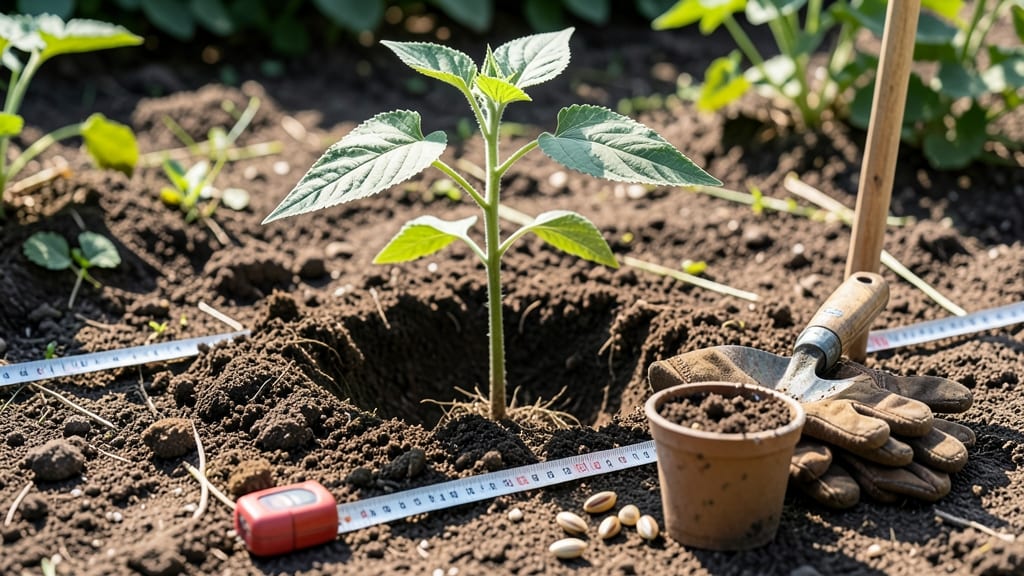
Planting sunflowers too close can turn your towering 🌻 dreams into stunted, struggling plants—even in your 6a zone. The right spacing isn’t just about aesthetics; it’s the difference between sunflowers that reach for the sky and ones that fight for survival in crowded soil.
I’ve learned the hard way that overcrowding leads to weak stems, fewer blooms, and even more pests. But with the right spacing—whether you’re growing dwarf varieties or giants that dwarf basketball hoops—you’ll unlock healthier plants and bigger harvests.
Let’s break down the science behind spacing so you can plant with confidence.
From 6 inches for compact types to 24 inches for towering varieties, spacing affects everything from airflow to sunlight access. We’ll also cover when to plant in your zone to maximize height, because timing matters just as much as placement. Ready to grow sunflowers that steal the show?
Whether you’re a first-time gardener or a seasoned pro, these tips will help you avoid common mistakes and get the most out of your sunflower patch. Let’s get those seeds in the ground the right way!


Optimal sunflower spacing by variety for maximum height growth
Sunflowers need the right space to grow tall and strong—whether you’re aiming for 12-foot giants or 3-foot dwarfs. The spacing you choose directly impacts their height, flower production, and even resistance to pests.
Too close, and they’ll compete for nutrients, leading to weak stems and fewer blooms. Too far apart, and you’ll waste garden space.
I’ve tested different spacing methods over the years, and the results speak for themselves. Giant varieties like ‘Mammoth’ need room to stretch their legs, while dwarf types like ‘Teddy Bear’ thrive in tighter clusters.
Let’s break down the exact spacing for each type to ensure your sunflowers reach their full potential.
Proper spacing also improves air circulation, reducing fungal diseases like powdery mildew. It gives roots enough room to spread, ensuring your sunflowers have the stability to support their towering heights. Think of it as giving each plant its own personal space to shine—literally!
Here’s the key rule: Space sunflowers based on their mature height. Taller varieties need more room to avoid shading their neighbors, while shorter ones can handle closer quarters. Below, you’ll find a detailed breakdown tailored to each sunflower type, including row spacing and plant density.
For dwarf varieties, like ‘Teddy Bear,’ you can plant them as close as 6 inches apart in rows spaced 1.5 feet apart. This works well for container gardening or edging garden beds.
Their compact size makes them perfect for small spaces, and they’ll still produce cheerful blooms without needing much room.
When growing standard varieties, such as ‘Russian Giant,’ space them 18–24 inches apart in rows that are 2–3 feet apart. This spacing ensures they get enough sunlight to reach their full height of 6–10 feet.
If you’re planting them in a windy area, consider adding stakes or cages early to prevent toppling.
For giant sunflowers, like ‘Mammoth,’ you’ll need to give them the most space: 24–36 inches apart in rows that are 3–4 feet apart. These sunflowers can grow 10–14 feet tall, so they need room to avoid shading each other.
If you’re growing them in your 6a zone, start them indoors 4–6 weeks before the last frost to give them a head start.
One common mistake I see is overcrowding, especially with taller varieties. When sunflowers are too close, they’ll compete for sunlight and nutrients, leading to weak stems and fewer flowers.
I’ve seen ‘Mammoth’ sunflowers that barely reached 6 feet because they were planted too tightly. Don’t let that happen to your garden!
Another tip: if you’re growing sunflowers in containers or raised beds, reduce the spacing slightly. For example, dwarf varieties can be planted 4–6 inches apart in a pot, while standard varieties can handle 12–18 inches in a large container.
Just make sure the container is at least 12 inches deep to accommodate their roots.
Finally, consider companion planting to maximize your garden space. Sunflowers pair well with bush beans, corn, and marigolds. Planting beans or corn around your sunflowers can help fix nitrogen in the soil, while marigolds deter pests. Just keep the spacing guidelines in mind to avoid overcrowding your sunflowers.
With the right spacing, your sunflowers will grow tall, strong, and full of blooms. Now grab your seeds, mark your rows, and get ready for a garden that’s the talk of the neighborhood! 🌻
Frost-free planting dates by USDA zone to ensure tallest sunflowers
Timing your sunflower planting around your USDA zone is the secret to unlocking their full height potential. In Zone 3, for example, you’ll want to plant 2-3 weeks after your last frost date, while gardeners in Zone 10 can start as early as mid-February.
The key is avoiding frost while giving plants enough time to mature before cooler weather returns.
Sunflowers need 60-90 frost-free days to reach their maximum height, depending on the variety. Early varieties like 'Teddy Bear' (dwarf) can thrive with 50 days, while giants like 'Russian Giant' require 100+ days.
Your zone dictates when to plant to meet these needs—get it wrong, and you’ll end up with sunflowers that barely scratch the 3-foot mark instead of towering over your fence.
Here’s how to align your planting with your zone’s frost timeline for sunflowers that reach their full potential:
| USDA Zone | Weeks Before Last Frost to Plant | Weeks After Last Frost to Plant | Best Varieties for Zone |
|---|---|---|---|
| 3-4 | 4-6 weeks | 0-2 weeks | 'Autumn Beauty', 'Moulin Rouge' |
| 5-6 | 3-5 weeks | 0-1 week | 'Russian Giant', 'ProCut' |
| 7-8 | 2-4 weeks | 0 weeks | 'Sunspot', 'Evening Sun' |
| 9-10 | 0-2 weeks | Up to 4 weeks | 'Italian White', 'Teddy Bear' |
For gardeners in Zones 3-4, starting seeds indoors 4-6 weeks before your last frost date gives them a head start. Transplant outdoors when soil reaches 55°F—this ensures roots establish before summer heat peaks.
In Zones 7-10, you can direct-sow after your last frost, but don’t wait too long; summer’s intense heat can stress young plants.
Pro tip: Use a frost-risk calculator (like the one from your local Cooperative Extension Service) to pinpoint your exact last frost date. Even a 1-week delay can mean the difference between a 10-foot giant and a 6-foot shrub. I’ve seen it happen—don’t let it happen to you!
Adjust your planting timeline based on whether you’re growing early, mid, or late-season varieties. Early bloomers like 'Teddy Bear' can handle cooler soil, while late-season giants need warmer temperatures to thrive. Always check seed packets for days to maturity and work backward from your first frost date to plan.
With the right timing, your sunflowers will reward you with sturdy stems, vibrant blooms, and record-breaking height. Now go ahead and plant with confidence—your garden’s skyline is about to get a whole lot taller! 🌻