
How To
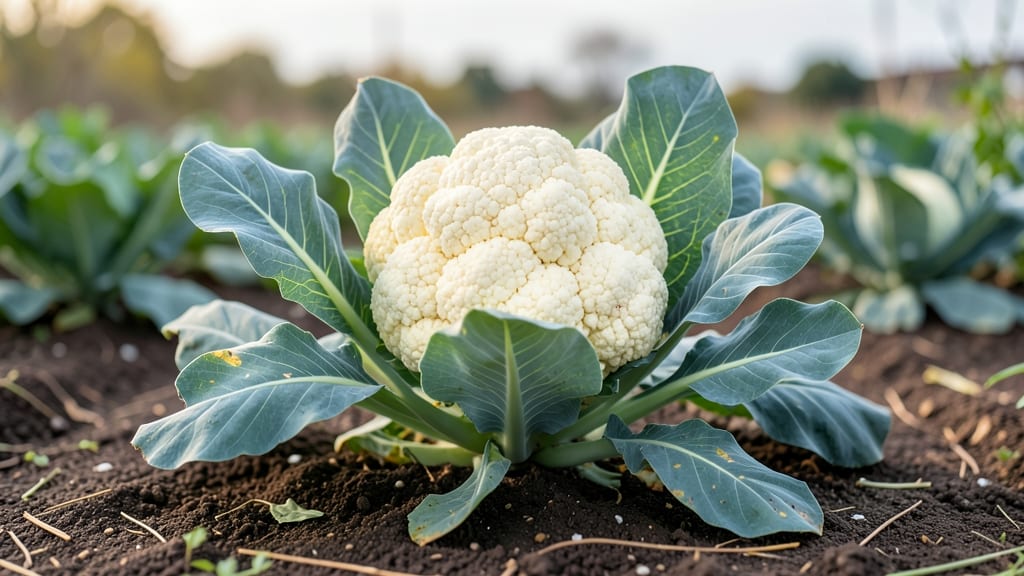
Knowing when your 🥬 cauliflower is ready to pick can mean the difference between a tender, flavorful harvest and a tough, bitter disappointment. The right moment arrives when the head reaches 6-8 inches in diameter, wrapped snugly in green leaves that still look vibrant—not yellowed or wilted.
I’ve learned the hard way that waiting too long turns that perfect curd into a woody mess, while harvesting too early leaves you with underdeveloped, loose florets.
The key is checking for a firm, compact head and a stem that snaps easily when bent—signs your plant is signaling it’s time to act.
In Zone 6a, where spring planting sets the stage for summer harvests, timing is everything. You’ll want to watch for these visual and tactile cues before the buds even think about opening. Let’s break down exactly what to look for so you never miss the window again.
From color shifts to leaf condition, I’ll walk you through the most reliable ways to test readiness—so you can enjoy that first crisp bite of homegrown perfection instead of second-guessing your harvest.


Cauliflower maturity checklist: size, color & curd development guide
Harvesting your cauliflower at the right moment transforms your garden into a flavor powerhouse. The ideal time arrives when the curd head reaches 6-8 inches in diameter—about the size of a softball. This is when the florets are tightly packed and creamy, not woody or bitter.
I’ve found that waiting just a few extra days can turn that perfect harvest into a tough, disappointing mess.
Color is your next clue: a pure white or pale yellow curd signals readiness for most varieties, while purple or orange types should maintain their vibrant hue. The outer leaves should still appear green and healthy, not yellowing or wilting.
These visual cues work together to tell you when your plant is truly ready for the cutting board.
Here’s a quick reference to help you spot the perfect moment:
| Checklist Item | What to Look For | Action |
|---|---|---|
| Head Size | 6-8 inches in diameter | Harvest when firm and compact |
| Curd Color | Pure white, pale yellow, or variety-specific hue | Avoid green or brown discoloration |
| Leaf Wrapper | Green, healthy, and tightly wrapped | Yellowing leaves mean it’s past prime |
| Stem Test | Snaps easily when bent | Green stem end means it’s still growing |
| Floret Tightness | Tightly packed, no gaps | Loose florets mean it’s overripe |
The stem test is one of my favorite tricks for checking readiness. Simply bend the stem near the base—if it snaps cleanly with a slight resistance, your cauliflower is ready.
A green stem end means the head is still growing, while a yellow or brown stem signals it’s time to harvest. This simple test saves me from guessing and ensures I never miss the perfect window.
Don’t overlook the leaf wrapper either. The outer leaves should remain vibrant and tightly wrapped around the curd. If they start yellowing or loosening, your cauliflower has passed its prime. I’ve seen gardeners ignore this sign and end up with bitter, stringy florets—so always double-check before harvesting.
For purple or orange varieties, the color rules still apply, but the curd should maintain its rich hue. These types often mature slightly faster, so keep an extra-close eye on them.
I’ve had success with ‘Graffiti’ cauliflower, which develops vibrant purple stripes—harvesting too late can turn those into dull, faded patches.
Seasonal timing matters too. In Zone 6a, cauliflower planted in March-April typically reaches maturity by June-August. However, heat waves can speed up development, so monitor your plants closely during hot spells. If your curd starts to loosen or split, it’s a clear sign you’ve waited too long.
Pro tip: Harvest in the morning when temperatures are cooler. This preserves the freshness and texture of your curds. I always use a sharp knife to cut the stem about 1 inch below the head, leaving the outer leaves intact to protect the curd during storage or cooking.
Finally, don’t forget to check for side shoots that may form after the main head is harvested. These smaller curds often develop along the stem and can be harvested just like the primary head. Keeping an eye on these ensures you maximize your yield without missing a single opportunity.
With these visual and tactile cues, you’ll never second-guess your harvest again. The key is consistency—check your plants daily during the final weeks of growth, and you’ll always know when to act. Happy harvesting!
Common harvesting mistakes that ruin your cauliflower
Even experienced gardeners can fall into traps that turn perfect cauliflower into tough, bitter disappointment. The most common mistake? Waiting too long until the curd becomes woody and stringy. I’ve seen beautiful heads go from creamy perfection to a sad, fibrous mess just by delaying harvest by a week.
The key is acting when the curd is still firm and compact—not when it starts loosening or splitting.
Harvesting too early is another frequent error. When you pick cauliflower before it’s fully developed, you end up with small, underdeveloped heads that lack flavor and texture.
I once pulled a head that was only 4 inches wide, thinking it was ready—only to realize it needed another 10 days to reach its full potential. Always wait until that 6-8 inch size range before cutting.
Check these 3 signs:
- Head size of 6-8 inches,
- Tightly packed florets with no gaps,
- Stem snaps cleanly when bent. If leaves are yellowing or florets are loosening, it’s past prime—act fast!
Many gardeners overlook the side shoots that develop after harvesting the main head. These smaller curds often form along the stem and can be just as delicious. I’ve had success harvesting these side shoots by cutting them carefully, leaving at least 1 inch of stem attached.
Ignoring them means missing out on extra yield—sometimes even more than the original head!
Environmental factors also play a critical role. Heat waves can accelerate maturity, causing curds to develop faster than expected. In my Zone 6a garden, I’ve seen cauliflower mature in just 60 days during hot summers, compared to the usual 75-100 days.
Always monitor your plants during temperature spikes and adjust your harvesting timeline accordingly.
Finally, improper watering habits can ruin your harvest. Too much water before picking causes the curd to split, while drought stress makes it tough and bitter. I’ve learned to reduce watering slightly 2-3 days before harvest to improve texture. This small adjustment makes a big difference in flavor and tenderness.
By avoiding these common mistakes—waiting too long, harvesting too early, ignoring side shoots, and overlooking environmental factors—you’ll consistently enjoy perfect cauliflower straight from your garden.
The secret is daily checks during the final weeks of growth, so you never miss that sweet spot between creamy perfection and woody disappointment. 🥬