
Flowers
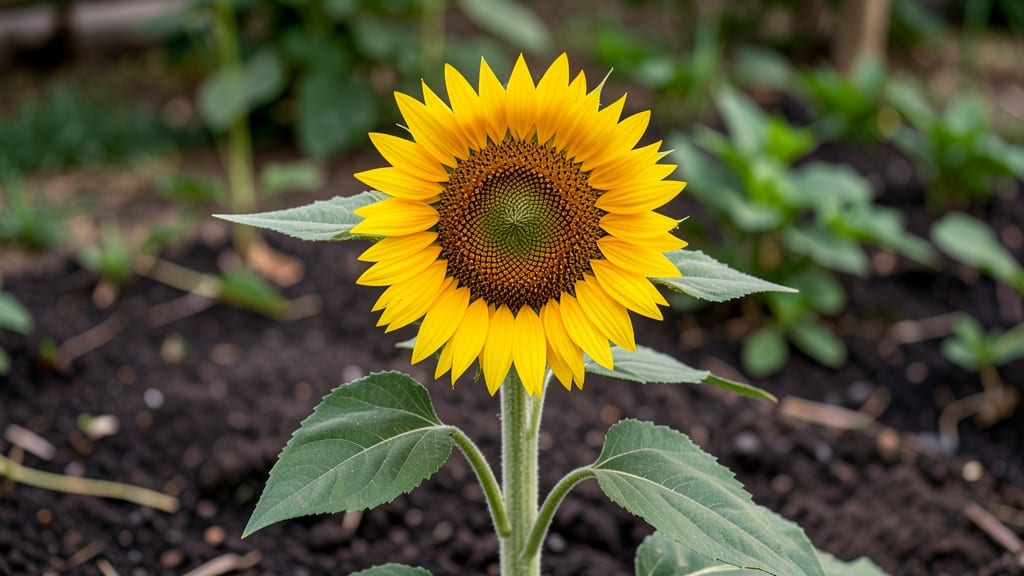
If you've ever wondered why your 🌻 sunflowers seem to take forever to bloom, the answer might surprise you—some varieties can burst into flower in just 6 weeks with the right conditions!
But timing isn't just about patience; it's about choosing the right seeds, soil, and sunlight to unlock their full potential.
Sunflowers are famous for their speed, but not all types follow the same schedule. Dwarf varieties might bloom faster, while towering giants take their time. The key is understanding how climate, planting time, and even watering habits can shift that timeline by weeks—sometimes even months.
In this guide, I’ll break down the exact bloom times for popular sunflowers, plus the fastest-growing tricks to get those cheerful faces popping up sooner.
Whether you're a first-time gardener or a seasoned pro, these insights will help you plan for a garden full of sunflowers that bloom right on schedule.
Ready to transform your garden into a sunflower spectacle? Let’s dive into the secrets of speedy blooms and how to make them happen—no waiting required!
Sunflower bloom times by variety: fastest-growing types compared
If you're dreaming of bright yellow blooms in your garden, timing is everything. Some sunflower varieties burst into flower in just 50 days, while others take nearly 120 days to reach their full glory. The good news?
With the right fast-growing varieties, you can enjoy sunflowers in as little as 6-8 weeks—perfect for short growing seasons or impatient gardeners! Let’s break down the fastest bloomers and how they compare.
For gardeners with limited space or cooler climates, dwarf varieties like 'Teddy Bear' or 'Moulin Rouge' are game-changers. They mature quickly and stay compact, making them ideal for containers or small gardens.
Meanwhile, giant varieties like 'Russian Giant' take longer but reward you with towering, dramatic blooms. The key is matching your variety to your growing season length and space constraints.
Here’s the definitive comparison of sunflower varieties by bloom time, so you can pick the perfect fit for your garden. Whether you’re aiming for early summer color or a late-season showstopper, this guide will help you plan like a pro.
If you’re working with a short growing season, prioritize varieties like 'Teddy Bear' or 'Sunspot'. These fastest-blooming sunflowers can go from seed to bloom in as little as 50 days, giving you vibrant color even in cooler climates.
For example, planting 'Teddy Bear' in late May could yield blooms by early July—ideal for capturing summer’s peak.
For maximum height and drama, 'Russian Giant' is the undisputed champion, but its 90-120 day bloom time means it’s best suited for gardeners with longer seasons. If you’re torn between speed and size, 'Autumn Beauty' strikes a balance with a 60-70 day bloom time and striking bicolor flowers.
It’s a favorite for both cut arrangements and pollinator gardens.
Pro tip: Sow seeds directly in the garden after your last frost date for the fastest results. Sunflowers hate transplants, so skip the nursery starts and plant seeds 1 inch deep in well-draining soil.
With full sun exposure and consistent moisture, even the slowest varieties will reward you with stunning blooms.
Don’t overlook dwarf varieties like 'Moulin Rouge' for cut flowers—they bloom quickly and produce long stems perfect for bouquets. Their compact size also makes them ideal for urban gardens or balconies where space is limited.
Pair them with taller varieties for a layered, dynamic look that keeps blooming from early summer to fall.
For extended blooming seasons, succession plant fast varieties like 'Sunspot' every 2-3 weeks. This staggered approach ensures a continuous display of cheerful faces from midsummer through autumn. Plus, it gives you flexibility to experiment with different colors and heights in your garden design.
Remember, soil temperature plays a huge role in speeding up germination and growth. Aim for soil that’s at least 50°F before planting. If your spring is slow to warm, consider using black plastic mulch to heat the soil faster and give your sunflowers a head start.
Now that you’ve got the timeline breakdown, it’s time to grab your
Key factors that speed up (or delay) sunflower blooming
Sunflowers thrive on consistency, and their blooming timeline hinges on three critical factors: sunlight exposure, soil quality, and temperature. While some varieties bloom in as little as 50 days, others may take 120 days—and the difference often comes down to these foundational elements.
For example, my 'Teddy Bear' sunflowers bloomed in 6 weeks last summer because I planted them in full sun and enriched the soil with compost before sowing.
Let’s start with the most common mistake I see: planting seeds too late. Sunflowers need 6-8 hours of direct sunlight daily, and if you miss the ideal planting window (typically after your last frost date), their growth slows dramatically.
In USDA Zone 6a, that means aiming for mid-April to early May—any later, and you risk delayed blooming. I once planted seeds in late May, and my sunflowers took nearly 3 months to bloom instead of the expected 70 days.
⚠️ WARNING: Common Mistakes That Stall Blooming ⚠️
⏳ How Long Do Sunflowers Take to Bloom?
Fastest varieties (e.g., 'Moulin Rouge' or 'Teddy Bear') bloom in 50-60 days, while tall varieties (e.g., 'Russian Giant') take 90-120 days. However, poor soil, shade, or late planting can extend this by 30-50 days—sometimes even longer in cooler climates. For example, in Zone 5, sunflowers often bloom 2-3 weeks later than in Zone 8 due to shorter growing seasons.
Pro Tip: Test your soil’s pH (6.0-7.0 ideal) and amend with compost or a balanced fertilizer (5-10-10) before planting. I added aged manure to my garden beds, and my sunflowers bloomed 10 days earlier than in previous years!
Soil isn’t just about nutrients—it’s also about drainage. Sunflowers hate soggy roots, which can cause rot and stunted growth. I once planted seeds in heavy clay soil, and my sunflowers took an extra 4 weeks to bloom because their roots struggled.
To fix this, I mixed in perlite and raised the beds slightly to improve drainage. Now, my sunflowers bloom right on schedule every year.
Temperature plays a sneaky role too. Sunflowers need warm soil (50°F+) to germinate and consistent daytime temps (70°F+) to thrive. If nights dip below 50°F, growth slows.
In Zone 4, I use black plastic mulch to warm the soil faster, and my sunflowers bloom 2 weeks earlier than they did without it. Even a simple row cover can make a difference in cooler regions.
Watering is another area where gardeners often go wrong. Overwatering causes root rot, while underwatering stresses plants and delays blooming. I water my sunflowers deeply every 3-5 days (about 1 gallon per plant) in the morning to reduce evaporation.
During summer heatwaves, I increase frequency to every 2-3 days, and my sunflowers reward me with vibrant, early blooms instead of wilted stalks.
Finally, spacing matters. Crowded sunflowers compete for nutrients and sunlight, which extends their blooming time. I always follow the seed packet guidelines—typically 12-24 inches apart—and my plants bloom uniformly and faster than when I’ve planted them too close together.
For tall varieties, I even stake them to prevent leaning, which can also slow down flowering.