
Blooming
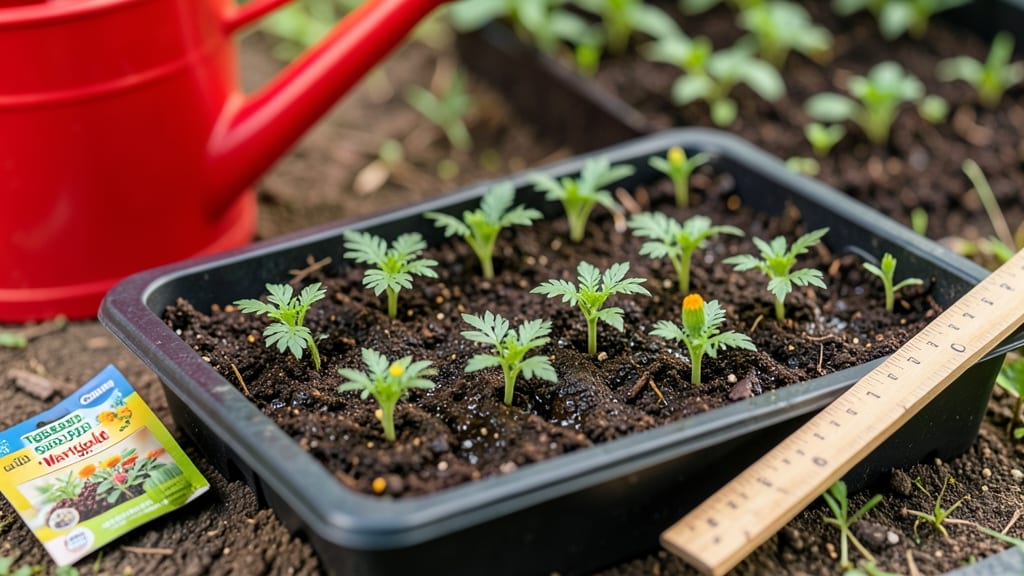
To know how long it takes for flowers to sprout, you’re basically asking when your garden’s dream team will finally show up—because patience only lasts so long when you’re staring at bare soil! 🌸 The truth?
Some varieties pop up in just 5 days, while others take 30 days or more, depending on whether you’re growing speedy zinnias or stubborn delphiniums.
But here’s the kicker: soil temperature, moisture, and even the type of seed you’re planting can shift that timeline dramatically. Too cold? Sprouting slows to a crawl.
Too dry? Seeds might never wake up. The good news? With the right conditions—and a few pro tips—you can cut weeks off that waiting game.
In this guide, I’ll break down the fastest-sprouting flowers, reveal the light triggers that jumpstart germination, and show you how to troubleshoot when things stall. No more guessing—just science-backed steps to turn your garden from blank canvas to blooming masterpiece faster than you’d expect.
Ready to stop the wait-and-see approach? Let’s dig into what’s really holding back your flowers—and how to get them growing in record time.
Germination time by flower type: fastest-sprouting annuals vs. slow starters
If you’ve ever planted flower seeds and stared anxiously at the soil, wondering how long it takes for flowers to sprout, you’re not alone. Some varieties pop up in just days, while others take weeks—or even months—to break through the surface.
The difference often comes down to seed size, soil temperature, and moisture consistency. Understanding these factors helps you set realistic expectations and troubleshoot delays before they happen.
For impatient gardeners, fast-sprouting annuals like zinnias and cosmos are game-changers. These cheerful bloomers often emerge in as little as 5–10 days under ideal conditions. On the flip side, slow starters like delphiniums or lupines can take 3–4 weeks to germinate, testing even the most patient gardener’s resolve.
Let’s break down the timeline for popular flowers and the science behind their speed—or lack thereof.
Soil temperature is the #1 factor controlling germination speed. Most flower seeds need soil between 60–85°F to sprout efficiently. Too cold, and they’ll languish; too hot, and they may rot before emerging. Moisture is equally critical—consistent dampness (not sogginess) keeps seeds hydrated without suffocating them. And don’t overlook seed size: Tiny seeds like marigolds germinate faster than large, dense seeds like foxgloves.
Pro tip: Use a seedling heat mat ($15–$25) to jumpstart cold-season planting. These mats maintain 70–80°F soil temps, cutting germination time in half for slow starters like snapdragons. Pair it with a humidity dome (or plastic wrap) to mimic a greenhouse environment—your seeds will thank you with faster, more uniform sprouting.
🌱 Top 10 Fastest vs. Slowest-Sprouting Flowers
| Flower | Germination Time | Ideal Soil Temp (°F) | Moisture Needs | Notes |
|---|---|---|---|---|
| Zinnias | 5–10 days | 70–80°F | Consistently moist | Fastest annual; loves heat |
| Cosmos | 7–14 days | 65–75°F | Lightly damp | Drought-tolerant once up |
| Marigolds | 5–12 days | 75–85°F | Even moisture | Repels pests; tiny seeds |
| Sunflowers | 7–21 days | 60–70°F | Deep water | Large seeds = slower start |
| Delphiniums | 21–30 days | 55–65°F | Moist but not soggy | Slow but worth the wait |
| Lupines | 14–28 days | 60–70°F | Well-drained | Needs stratification |
| Foxgloves | 21–45 days | 60–70°F | Lightly moist | Self-seeds aggressively |
| Snapdragons | 10–21 days |
3 Light triggers to speed up flower germination (science-backed tips)Light isn’t just fuel for your plants—it’s the secret handshake that tells seeds, "It’s time to grow!" Many flower seeds need specific light cues to break dormancy, and ignoring this can leave you waiting weeks longer than necessary. For example, marigolds and sunflowers often sprout faster with just a few hours of indirect light, while delphiniums may need full sun exposure to trigger germination. The key lies in understanding how light affects seed dormancy. Some seeds, like larkspur, require a period of darkness to soften their hard outer shells—this is called photoblastic dormancy. Others, like cosmos, need light to kickstart the process. By tweaking your approach, you can cut germination time by 30–50%, turning "waiting weeks" into "watching days." Let’s dive into the science-backed light triggers that’ll get your flowers popping up faster. 🌱 Speed Up Germination With These Light Triggers
Timing your light exposure isn’t just about turning on a bulb—it’s about mimicking nature’s cues. For instance, zinnias and cosmos thrive when planted in full morning sun, while snapdragons prefer partial shade in the afternoon to prevent overheating. Even a 1–2 hour difference in planting time can shift your sprouting timeline by 3–5 days. Don’t overlook the power of natural light cycles. If you’re starting seeds indoors in late winter, supplement with a grow light on a timer to simulate longer days. This trick is especially useful for perennials like coneflowers, which often need 14+ hours of light to break dormancy. Pro tip: Place your seed trays within 6 inches of the light source for optimal results. For gardeners in shady climates, a clear plastic dome over seed trays can magnify light exposure by 20–30%, creating a mini greenhouse effect. This works wonders for slow-sprouting flowers like hollyhocks, which may take 2–3 weeks to emerge without extra light support. The dome traps warmth and light, giving seeds the consistent conditions they crave. Remember, every flower has its own light preferences. Sun-loving annuals like geraniums need 6+ hours of direct light daily, while shade-tolerant perennials like bleeding hearts can sprout just fine with 4–6 hours of filtered light. Pay attention to your local sunlight patterns—south-facing windows or garden beds get the most intense light, while north-facing spots offer gentler conditions. By mastering these light triggers, you’ll transform your garden from a slow-moving experiment into a blooming success story. The next time you’re staring at a seed tray wondering, "Where are those sprouts?"—check your light setup first. It might just be the missing piece to unlock faster growth and earlier blooms this season. 🌻 |