
Size
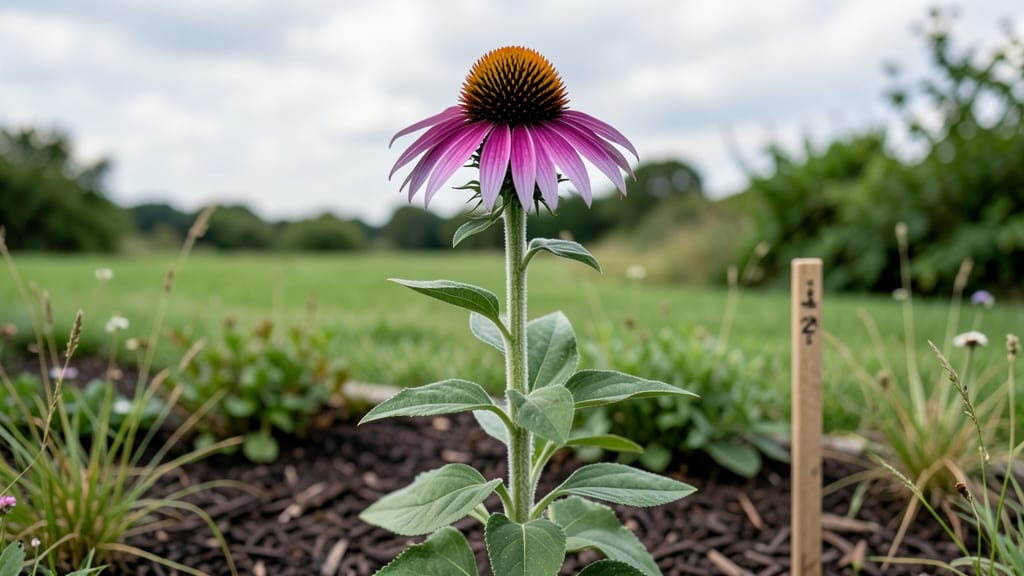
Wondering how tall coneflowers grow so you can plan your garden layout just right? These hardy perennials can reach anywhere from 1 to 5 feet, depending on the variety and growing conditions—making them a versatile choice for everything from cottage gardens to container plantings.
If you're eyeing dwarf varieties like 'White Swan,' expect them to stay between 1 and 2 feet, perfect for front borders or window boxes.
On the other hand, tall cultivars such as 'Magnus' can shoot up to 5 feet, creating dramatic vertical interest in the back of perennial beds.
The key to their height lies in maturity—most coneflowers take 2 to 3 years to reach their full potential, so patience pays off. Whether you're designing a pollinator-friendly meadow or a cozy backyard retreat, knowing these height ranges helps you space plants for maximum impact.
Let’s break down the exact height ranges by variety and how to use them to elevate your garden’s design—without the guesswork.

Coneflower height ranges by popular varieties (dwarf to giant)
Coneflowers (Echinacea) are one of the most versatile perennials for pollinator gardens, but their height variations can dramatically change how you use them. Some stay compact enough for container gardens, while others reach towering heights perfect for backyard focal points.
Knowing these differences helps you plan spacing, sunlight exposure, and companion plants for a cohesive look.
From the dwarf 'Sombrero' variety that barely clears your knee to the giant 'Magnus' that rivals sunflowers, each coneflower brings unique vertical interest. Below, we’ve broken down 12 popular varieties by their mature heights, growth habits, and ideal planting scenarios—so you can choose the perfect fit for your garden’s layout.
🌼
| Variety | Mature Height | Spread | Growth Habit | Best For |
|---|---|---|---|---|
| 'Sombrero' (Dwarf) | 12–18 inches | 12–18 inches | Compact, mounding | Containers, rock gardens, front borders |
| 'White Swan' | 18–24 inches | 18–24 inches | Upright, clumping | Pollinator gardens, cottage-style beds |
| 'Green Envy' | td style="padding: 10px;">18–24 inches18–24 inches | Upright, slightly spreading | Cut flowers, mixed borders | |
| 'Kim's Knee-High' | 24–30 inches | 18–24 inches | Clumping, sturdy stems | Small spaces, urban gardens |
| 'Magnus' | 36–48 inches | 24–30 inches | Tall, sturdy, upright | Backyard focal points, pollinator meadows |
| 'Hot Papaya' | 24–30 inches | 18–24 inches | Compact, bushy | Cut flower arrangements, small borders |
| 'White Beauty' | 24–36 inches | 18–24 inches | Upright, slightly spreading | Pollinator gardens, cottage-style beds |
| 'Purple Beauty' | 30–36 inches | 24–30 inches | Tall, sturdy, classic shape | Perennial borders, wildflower mixes |
| 'Green Myst' | 24–30 inches | 18–24 inches | Compact, bushy | Cut flowers, container gardens |
| 'Cheyenne Spirit' | 36–48 inches | 24–30 inches | Tall, sturdy, upright | Backyard focal points, pollinator meadows |
| 'Summer Celebration' | 24–30 inches | 18–24 inches | Compact, bushy, multi-colored | Pollinator gardens, mixed borders |
| 'Firebird' | 24–30 inches | 18–24 inches | Upright, slightly spreading | Cut flowers, pollinator gardens |
'Hot Chocolate
How coneflower height affects garden design & pollinator appealConeflowers aren’t just pretty faces—their height ranges let you design layers in your garden like a pro. Tall varieties like 'Magnus' (up to 5 feet) create stunning backdrops, while dwarf types like 'Green Envy' (1-2 feet) thrive in containers or front borders. This vertical versatility is your secret weapon for adding structure and pollinator appeal without sacrificing space. Think of your garden as a three-tiered cake: tall coneflowers form the top layer, medium-height plants (like 'White Swan') create the middle, and dwarf varieties anchor the front. This layering draws the eye upward while giving butterflies and bees easy access to nectar at every level. Plus, their long bloom season (June through September) ensures pollinators have a buffet all summer long. 🌿 Design Tips by Coneflower Height
Pro Tip: Deadhead spent blooms to encourage continuous flowering and keep plants looking tidy. For small spaces, like balconies or courtyard gardens, opt for container-friendly dwarf coneflowers. Pair them with companion plants like lavender or catmint to fill in gaps and attract even more pollinators. Just ensure containers have drainage holes—coneflowers hate soggy roots—and use well-draining potting mix to keep them thriving. If you’re designing a pollinator garden, strategically place taller coneflowers near shrubs or trees to create a vertical pollinator highway. Bees and butterflies will follow the nectar trail from ground level all the way up to the treetops. Add a water source, like a shallow dish with pebbles, within 10 feet of your coneflowers to make the space even more inviting for winged visitors. Don’t forget to prune strategically to control height and shape. In early spring, trim back last year’s stems to encourage bushier growth. For taller varieties**, cut back by one-third after flowering to maintain a neat appearance and prevent flopping. This simple step keeps your coneflowers looking intentional and intentional—not wild. With their height diversity, coneflowers are the ultimate garden multitaskers. Whether you’re aiming for a wildflower meadow, a structured perennial border, or a pollinator paradise, these plants deliver beauty, function, and low-maintenance charm—all while giving bees and butterflies a reason to stop by. 🌼 |