
Flowers
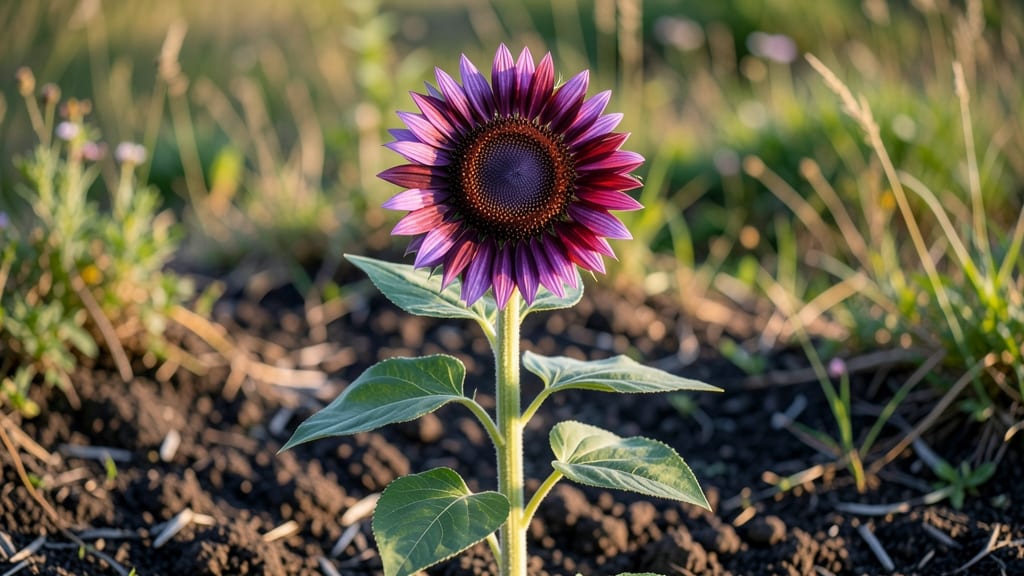
When you're planning your garden and dreaming of dramatic purple blooms, understanding how tall purple sunflowers grow is the first step to creating a stunning focal point.
These sunflowers can reach anywhere from 3 feet to towering over 12 feet, depending on the variety you choose—making them perfect for both small containers and large garden backdrops.
If you're wondering whether these vibrant 🌻 purple sunflowers will fit in your space, the answer depends on your goals. Dwarf varieties stay compact, ideal for borders or window boxes, while tall types create a breathtaking statement in mixed flower beds.
The right choice can transform your garden from ordinary to extraordinary.
But here's the thing: their height isn't just about aesthetics. Taller varieties need more space, sturdier stakes, and careful planning to avoid crowding other plants.
Whether you're growing them for cut flowers or simply to enjoy their bold beauty, knowing their potential height helps you make the best decisions for your garden layout.
In this guide, I'll break down the height ranges of popular purple sunflower varieties and share tips to help you grow them successfully—no matter how much (or how little) space you have. Let's get started!

Purple sunflower varieties and their average heights compared
Purple sunflowers add dramatic color and height variety to any garden, but their mature size can vary wildly between varieties. Whether you're planning a cut-flower garden or a small container display, knowing the height range helps you choose the perfect fit.
Some varieties barely reach waist height, while others can dwarf an adult human—and everything in between!
Sunflower heights are influenced by genetics, sunlight exposure, and soil fertility, but the variety itself sets the baseline. Below, I’ve compared 10 popular purple sunflower types, from dwarf varieties perfect for balconies to giant cultivars that make stunning focal points.
Each height range assumes optimal growing conditions—full sun and well-drained soil.
| Variety | Average Height | Height Range | Best For | Notes |
|---|---|---|---|---|
| 'Teddy Bear' (Purple) | 2-3 ft | 1.5–3 ft | Containers, borders | Dwarf, bushy, great for cut flowers |
| 'Moulin Rouge' | 3-4 ft | 2.5–4.5 ft | Cut arrangements, pollinators | Semi-dwarf, long-lasting blooms |
| 'Purple Sunbird' | 4-5 ft | 3.5–5.5 ft | Back of borders, small gardens | Vibrant double-petaled flowers |
| 'Black Beauty' | 5-6 ft | 4–7 ft | Cut flowers, focal points | Deep purple-black blooms, tall and sturdy |
| 'Purple Storm' | 6-7 ft | 5–8 ft | Privacy screens, large gardens | Disease-resistant, prolific bloomer |
| 'Purple Majesty' | 7-8 ft | 6–9 ft | Ornamental displays | Large double blooms, needs support |
| 'Purple Sunset' | 8-9 ft | 7–10 ft | Cut flowers, tall arrangements | Gradual color shift from lavender to deep purple |
| 'Purple Emperor' | 9-10 ft | 8–11 ft | Dramatic garden statements | Rich purple-red hues, thick stems |
| 'Purple Giant' | 10-12 ft | 9–12 ft | Giant flower displays | One of the tallest purple sunflowers, needs staking |
| 'Purple Passion' | 5-7 ft | 4.5–7.5 ft | Pollinator gardens | Attracts bees and butterflies, long vase life |
If you're working with limited space, varieties like 'Teddy Bear' or 'Moulin Rouge' are ideal for containers or small gardens. They top out at just 3–4 feet, making them perfect for balcony gardens or window boxes.
For a bold statement, consider 'Purple Giant' or 'Purple Emperor', which can reach 10–12 feet—taller than most people!
Taller varieties often need support stakes to prevent wind damage or flopping, especially in humid climates. I recommend using 3–4 ft stakes for medium-height varieties (5–7 ft) and 5–6 ft stakes for giants (8–12 ft). Plant stakes at soaking time to avoid damaging roots later.
Height isn’t just about aesthetics—it also affects sunlight access for shorter plants. When planting, place taller varieties at the north side of your garden to avoid shading dwarf sunflowers or vegetables. This simple trick ensures even sunlight distribution and healthier growth for all your plants.
For cut-flower arrangements, medium-height varieties like 'Black Beauty' or 'Purple Storm' strike the perfect balance. They’re tall enough for drama but easy to handle when harvesting. Plus, their long stems hold up well in vases, lasting 7–10 days with proper care.
Pro tip: If you love purple sunflowers but worry about their height, try 'Purple Sunbird'. It’s a medium-height variety (4–5 ft) with double blooms that add extra volume without overwhelming your space. It’s also a pollinator magnet, so you’ll see more bees and butterflies visiting your garden!
Remember, these heights are approxim
How sunflower height affects garden planning and care
When planning your garden, the height of purple sunflowers directly impacts where you plant them and how you care for them. Taller varieties like 'Black Beauty' can reach 10-12 feet, while dwarf types like 'Teddy Bear' stay under 3 feet.
This difference isn't just about aesthetics—it affects spacing, sunlight exposure, and even wind resistance in your garden layout.
For example, a 10-foot sunflower planted too close to a fence or other plants can block sunlight and create shade problems. Meanwhile, dwarf varieties thrive in containers or small garden beds where space is limited. Understanding these height differences helps you design a garden that's both beautiful and functional.
Here’s how to match sunflower height to your garden’s needs:
- Perfect for containers or window boxes.
- Ideal spacing: 12-18 inches apart.
- Minimal staking needed—great for small gardens.
- Works well in border plantings or mixed beds.
- Spacing: 18-24 inches apart.
- Light staking may help in windy areas.
- Best for backdrop planting or cut flowers.
- Spacing: 24-36 inches apart.
- Requires strong stakes or trellises for support.
Sunlight needs also shift with height. Taller sunflowers cast longer shadows, so place them where they won’t block sunlight-loving plants like tomatoes or peppers. If you’re growing them near shorter plants, position the tallest varieties on the north side of your garden to minimize shade.
For taller purple sunflowers, consider using trellises or bamboo stakes to prevent toppling in wind or rain. Even with support, avoid overcrowding—give each plant enough room to breathe and grow.
In my own garden, I’ve found that staking tall varieties early (when stems reach 3-4 feet) prevents damage later in the season.
Finally, think about your garden’s purpose. If you’re growing sunflowers for cut flowers, taller varieties yield longer stems. For ornamental displays, dwarf or medium types create a fuller, bushier look. By matching height to your goals, you’ll create a garden that’s both stunning and well-balanced.