
Size
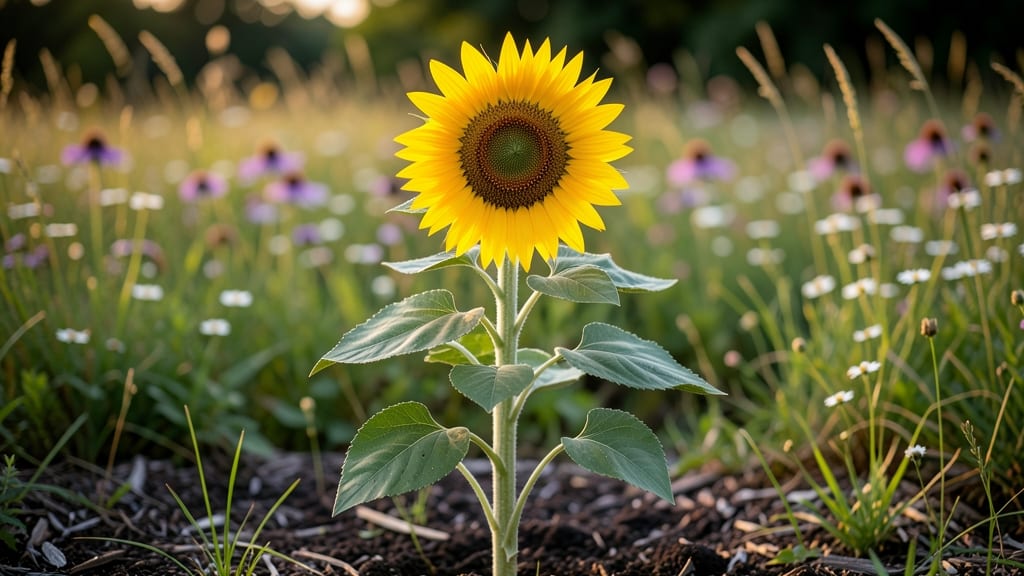
If you’ve ever planted a sunflower seed and watched it shoot up like a sky-scraping superhero, you know these plants don’t mess around with how tall do sunflower plants get.
The answer depends on the variety you choose—some stay cute and compact, while others stretch taller than a basketball hoop or even a two-story house!
Sunflowers like the 🌻 Russian Giant can reach 12 to 16 feet, towering over your garden like nature’s skyscraper. Dwarf varieties, on the other hand, stay between 1 to 3 feet, perfect for containers or small spaces.
The key to their height lies in genetics, soil quality, and sunlight—so if you’re dreaming of a sunflower that could block out the sun, you’ll want to pick the right seeds and give them the best growing conditions.
But here’s the thing: height isn’t just about show. Whether you’re growing sunflowers for cut flowers, bird feed, or just pure joy, knowing how tall they’ll get helps you plan your garden layout. Need a privacy screen? A giant variety might do the trick.
Prefer a low-maintenance border? Dwarf sunflowers are your best bet. I’ll break down the exact heights by variety and share tips to help you control—or maximize—their growth, so you can get the sunflowers of your dreams.
Ready to turn your garden into a sunflower spectacle? Let’s dive into the varieties, growth stages, and secrets to growing sunflowers that’ll make your neighbors take notice. You’ll never look at these cheerful giants the same way again!

Sunflower height by variety: from dwarf to giant species
Choosing a sunflower variety isn’t just about color—it’s about height expectations. Some varieties stay as short as 1 foot, perfect for containers, while others can top 16 feet, rivaling a two-story house!
Your space and purpose (cut flowers vs. bird feed) will determine which sunflower height category suits you best.
I’ve grown everything from Teddy Bear sunflowers to Russian Giant varieties, and the height differences are dramatic. Dwarf types thrive in small gardens or balconies, while giants need wide-open spaces and sturdy support. Let’s break down the three main height categories and their best uses.
Dwarf sunflowers like 'Teddy Bear' (1–2 ft) are my go-to for small spaces. They bloom quickly and rarely need staking, making them ideal for balconies or patio pots. Their compact size also means they won’t overshadow other plants.
Standard varieties such as 'Autumn Beauty' (5–6 ft) strike the perfect balance. They’re tall enough to create drama in garden beds but still manageable without heavy-duty support. These are my favorite for cut flowers—their stems stay fresh for weeks in a vase.
Giant sunflowers like 'Russian Giant' (12–16 ft) are the showstoppers of the garden. I’ve seen them tower over fences and even peek into second-story windows! However, they require extra care: deep, nutrient-rich soil and strong staking to prevent toppling in wind.
Height isn’t just about aesthetics—it also affects pollination and seed production. Taller varieties attract more birds and bees, while dwarf types may produce smaller seed yields. If you’re growing sunflowers for bird feed, giants are the clear winners.
Pro tip: Check your sunflower seed packet for height estimates, but remember—growing conditions play a huge role. Poor soil or limited sunlight can stunt even the tallest varieties by
How sunflower height changes by growth stage: from seed to bloom
Watching a sunflower grow is like witnessing a plant version of a time-lapse video—one day it’s a tiny sprout, and the next, it’s shooting toward the sky! The height progression of sunflowers is one of their most fascinating traits.
From seedling to full bloom, their growth isn’t linear; it’s a mix of slow starts, rapid spurts, and eventual maturity. Understanding this timeline helps you predict how tall your sunflowers will get and when they’ll reach their peak height.
The journey begins with a 1-inch seed planted just below the soil surface. Within 7-14 days, a seedling emerges, but don’t expect much height—these early stages focus on root development. By 4-6 weeks, your sunflower will be 1-2 feet tall, but the real magic happens after that.
This is when the plant enters its rapid growth phase, gaining up to 3 inches per day under ideal conditions!
| Growth Stage | Approx. Height | Time to Reach | Key Milestones |
|---|---|---|---|
| Seedling | 0.5–2 ft | 2–4 weeks | First true leaves appear |
| Vegetative Growth | 3–6 ft | 6–8 weeks | Stem elongates rapidly |
| Bud Formation | 6–10 ft | 8–10 weeks | Flower bud becomes visible |
| Full Bloom | Mature height (3–16 ft) | 10–12 weeks | Petals fully open; seeds develop |
Factors like sunlight exposure, soil nutrients, and water consistency play huge roles in how tall your sunflowers grow.
For example, a Russian Giant sunflower might reach 12 feet in just 10 weeks if given full sun and rich soil, while a dwarf variety like Teddy Bear will max out at 3 feet regardless of care.
To monitor growth accurately, mark the height of your sunflower on a nearby stake every week—you’ll be amazed at how quickly those inches add up!
One common misconception is that taller sunflowers always mean healthier plants. In reality, over-fertilizing can lead to weak stems that flop under their own weight. Instead, focus on balanced nutrients and proper staking for varieties over 6 feet tall.
I’ve found that giving my sunflowers a supportive cage early on prevents them from leaning or snapping in windy conditions, ensuring they grow straight and strong.
The final height of your sunflower isn’t set in stone—it’s influenced by genetics, environmental conditions, and even pruning habits. For instance, if you pinch back the top of a young sunflower, it may grow bushier but shorter.
On the other hand, leaving it alone lets it reach its full potential. Pay attention to how your sunflowers respond to your care, and don’t be afraid to experiment with different varieties to see which ones thrive in your garden’s unique conditions.
By understanding these growth stages, you’ll not only predict how tall your sunflowers will get but also create a garden that maximizes their beauty and productivity.
Whether you’re growing them for cut flowers, bird feed, or just the joy of watching them grow, knowing what to expect at each stage makes the process even more rewarding. Happy gardening—your sunflowers will thank you with a sky-high display! 🌻