
Flowers
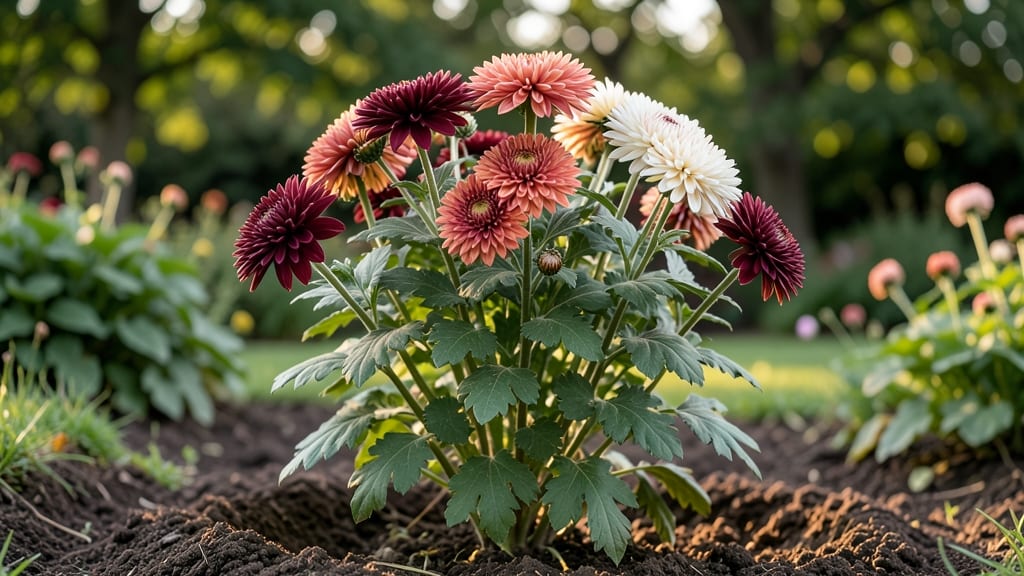
Timing the mums flowers bloom time right can turn your garden into a late-season showstopper—or leave you staring at bare stems. The key to vibrant, long-lasting flowers lies in understanding when these hardy plants typically burst into color, especially as you align with your local last frost date.
In most temperate regions like Zone 6a, mums usually bloom from late September through October, but warmer climates can extend their display into winter or even spring. What many gardeners miss is how planting time—4-6 weeks before frost—directly impacts bloom duration and intensity.
Whether you're in a cooler northern zone or a mild southern region, I'll break down exactly when to expect those cheerful blooms, plus pro tips to push your mums to flower earlier or later. Let's make sure your garden stays colorful well into the cooler months.
From selecting the right varieties to adjusting care based on your microclimate, you'll discover how small changes can dramatically extend your mum's bloom time. Ready to keep your garden in full bloom when others are winding down?
When do mums flowers bloom based on your planting Zone?
Timing is everything when growing mums flowers—these vibrant blooms thrive when planted at the perfect moment relative to your USDA hardiness zone.
Whether you're in a chilly Zone 3 or a warm Zone 11, understanding your local last frost date ensures your mums burst into color when you expect.
Early bloomers might grace your garden in late August, while late varieties can last until November, depending on where you live.
Mums are cool-season flowers, meaning they need a period of cooler temperatures to trigger blooming. Planting too early in warm zones or too late in cold zones can leave you with leggy stems and few flowers.
The key is aligning your planting date with your zone’s average first frost—typically 4-6 weeks before frost for best results. Let’s break down exactly when to expect those stunning blooms across the U.S.
| USDA Zone | Planting Time | Bloom Period | Last Frost Date | Notes |
|---|---|---|---|---|
| Zones 3-5 | Mid-May to early June | Late August to October | Mid-October | Early varieties thrive; mulch to extend blooms. |
| Zones 6-7 | Late May to early July | September to November | Mid-November | Mid-season varieties peak here; deadhead for longer blooms. |
| Zones 8-9 | June to early August | October to December | Late December | Late bloomers shine; protect from early frosts. |
| Zones 10-11 | Year-round (best in fall/winter) | Fall, Winter, Spring | None (tropical) | Plant anytime; blooms nearly year-round with care. |
In Zones 3-5, where winters are harsh, mums planted in mid-May to early June will reward you with blooms from late August to October.
These zones have the earliest frost dates, so choosing early-season varieties like 'Early Snow' or 'Pactola' ensures you catch those first vibrant colors before the cold sets in. Mulching with straw or leaves can extend their season by a few weeks, protecting roots from early frosts.
Gardeners in Zones 6-7 enjoy a longer bloom window, typically from September to November, thanks to milder winters.
This is the sweet spot for mid-season varieties like 'Medallion' or 'Vantage', which thrive with 6+ hours of sunlight and consistent moisture. Deadheading spent blooms encourages more flowers, while a light fall fertilizer can boost late-season growth.
Warmer climates in Zones 8-9 allow for late-blooming varieties like 'Dazzler' or 'Bonanza', which can flower into December if protected from early frosts. Plant in June to early August for a stunning autumn display.
In these zones, shade cloth during peak summer heat can prevent bolting (premature flowering), ensuring your mums save their energy for fall.
For those in Zones 10-11, mums are almost year-round performers. Plant anytime, but focus on fall and winter varieties like 'Dwarf Bonanza' or 'Jolanda'.
These zones rarely experience frost, so you can enjoy blooms from fall through spring. Container gardening works well here, letting you move plants to optimize sunlight and protect them from occasional cold snaps.
Pro tip: Use a frost calendar for your specific area—local nurseries often provide these for free. They’ll give you the exact last frost date to plan your mum planting like a pro.
For example, if your last frost is November 15th, plant 6 weeks prior (late September) for a late October bloom—just in time for Halloween!
Remember, light levels matter too. Mums need full sun (6+ hours daily), but in Zones 10-11, afternoon shade can prevent heat stress. Adjust your planting spot based on your zone’s summer intensity.
With the right timing and care, your mums will bloom earlier, longer, and more abundantly than you’ve ever seen!
How to extend mum flower bloom time with proper care
Want your mums flowers to stay vibrant and blooming longer? The secret isn't just in the variety you choose—it's in the care routine you follow.
Many gardeners assume these hardy plants will bloom on their own, but with the right watering schedule, sunlight exposure, and soil prep, you can push their bloom time from a few weeks to nearly two months.
For example, in Zone 6a, where I garden, mums typically bloom from late September through October. But with proper care, I've extended that to early November—just in time for Thanksgiving centerpieces! The key is understanding how each factor—like morning watering or mulching—works together to keep your mums thriving.
🌼 5 Pro Tips to Extend Mum Bloom Time
- 💧 Water deeply in the morning (1-2 times weekly) to prevent stress from drought or soggy roots.
- ☀️ Ensure 6+ hours of full sun daily—partial shade can shorten bloom time by 30%.
- 🌱 Feed with 10-10-10 fertilizer every 4-6 weeks during summer for vibrant blooms.
- 🪴 Mulch with 2-3 inches of organic mulch to retain moisture and regulate soil temperature.
- ✂️ Deadhead spent blooms weekly to encourage new flower production and extend the season.
Let’s start with watering, the most critical factor. Mums need consistent moisture, but overwatering can cause root rot just as quickly as underwatering. I recommend a deep soak every 5-7 days during summer heat, then taper to every 7-10 days as temperatures drop.
Always water at morning to let foliage dry before evening—this prevents fungal diseases that can stress your plants and cut bloom time short.
Next, sunlight is non-negotiable. While mums can tolerate partial shade, they’ll reward you with longer, more abundant blooms if planted in full sun.
If your garden is shady, choose dwarf varieties like 'Pompon' or 'Cushion' mums—they handle lower light better but still need at least 4-6 hours of direct sun daily. Pro tip: Watch for leaf yellowing—a sign your mums aren’t getting enough light.
Don’t overlook soil preparation, either. Mums thrive in well-draining, slightly acidic soil (pH 6.0-6.5). Before planting, amend your soil with compost or aged manure to improve fertility. I also add a slow-release fertilizer at planting time to give my mums a nutrient boost for the entire season.
In warmer climates (Zones 8-11), where mums can bloom year-round, focus on regular feeding every 3-4 weeks to sustain continuous blooms.
Finally, seasonal maintenance makes all the difference. In fall, reduce watering slightly to harden off plants for winter. If you’re in Zone 5 or colder, apply a thick layer of mulch (3-4 inches) to protect roots from freeze-thaw cycles.
And here’s a trick I learned: Cut back faded foliage in late fall, but leave the stems—this protects the crown from harsh winter winds and encourages earlier spring regrowth.
With these adjustments, you’ll transform your mums from short-lived bloomers into season-long stars. Try one tip this season and watch your garden stay colorful well past the first frost! 🌼