
Flowers
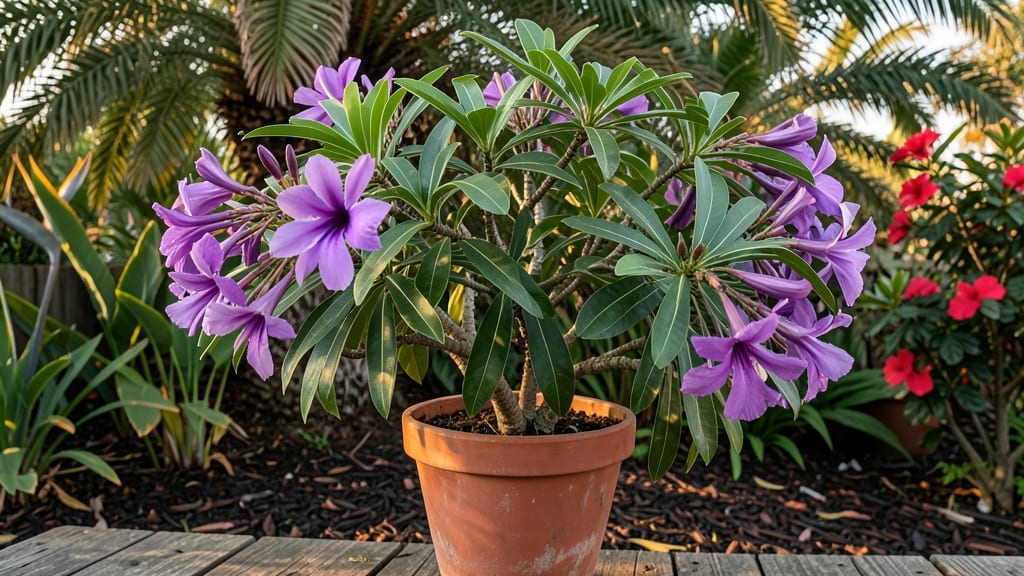
There’s nothing quite like the sight of a purple plumeria flower 🌺 in full bloom—velvety petals that seem to glow under the tropical sun. These rare varieties aren’t just beautiful; they’re a gardener’s secret weapon for adding drama and fragrance to any outdoor space.
But here’s the catch: growing them right requires more than just good intentions.
If you’ve ever struggled to keep your plumeria thriving—whether it’s weak stems, sparse blooms, or mysterious leaf spots—you’re not alone. The key to cultivating these stunning purple plumeria flowers lies in mimicking their natural tropical habitat, from soil pH to sunlight exposure.
I’ll walk you through the exact steps to give your plumeria the care it craves, so you can enjoy those breathtaking blooms year after year.
From choosing the right variety to mastering pruning and propagation, this guide covers everything you need to know. Whether you’re a beginner or a seasoned gardener, you’ll discover the secrets behind those lush, fragrant purple blooms—and how to make them a showstopper in your garden.
Ready to transform your outdoor space? Let’s dive into the world of purple plumeria and unlock the growing secrets that will make your plants the envy of the neighborhood.
Rare purple plumeria varieties: names, colors, and where to find them
If you’ve ever dreamed of growing plumeria flowers with deep, mysterious purple hues, you’re not alone. While traditional plumeria varieties often feature white or pink blooms, rare purple cultivars like 'Lavender Swirl' and 'Royal Purple' are transforming gardens into tropical dreamscapes.
These varieties aren’t just visually striking—they’re highly sought after for their fragrance and unique petal patterns. But where do you find them, and how do you care for their delicate beauty?
The purple plumeria flower market is niche, with most rare varieties available through specialty nurseries or online plant collectors. Unlike common hybrids, these cultivars often require specific growing conditions to thrive, including acidic soil and high humidity.
Let’s explore the most coveted purple plumeria varieties, their distinct characteristics, and where to source them for your garden.
The 'Lavender Swirl' plumeria is one of the most popular purple varieties, prized for its delicate swirls and intoxicating fragrance. Its blooms resemble watercolor paintings, making it a favorite for wedding bouquets and garden centerpieces.
However, its rarity means prices can range from $50 to $150 per cutting, depending on the seller. If you’re lucky enough to find a cutting, expect to wait 1-2 years for your first blooms—patience is key!
For those chasing the deepest purple hues, the 'Black Dahlia' plumeria is the holy grail. Its near-black petals are so dark they appear velvety in sunlight, but this variety is nearly impossible to find outside of specialty collectors.
Some growers report success buying seeds from international sellers on eBay, though germination rates are low. If you’re serious about adding this to your collection, join plumeria forums to connect with growers who might have spare cuttings.
Not all purple plumeria varieties are created equal when it comes to fragrance intensity. The 'Royal Purple' and 'Midnight Fantasy' stand out for their rich, spicy scents, while the 'Purple Haze' offers a lighter, more citrusy aroma.
If you’re growing plumeria for their scent, I recommend starting with 'Lavender Swirl' or 'Royal Purple'—their fragrance is unmistakable and long-lasting. For visual impact alone, 'Black Dahlia' is unmatched.
Where you source your purple plumeria matters just as much as the variety itself. Online marketplaces like Etsy and eBay are great for finding rare cuttings, but always check seller ratings and ask for photos of blooms before purchasing.
Avoid scams by sticking to verified nurseries or plumeria societies, such as the Plumeria Society International, which often list trusted growers. If you’re in a USDA Zone 10-12 area, local tropical nurseries may carry purple varieties, though selection is usually limited.
Once you’ve secured your <
Growing secrets for purple plumeria: soil, sunlight, and pruning tips
Your purple plumeria flower 🌺 thrives when you mimic its tropical roots. Unlike common white or pink varieties, these stunning blooms demand precise care—especially in soil acidity and sunlight exposure.
The wrong conditions can lead to weak stems or even chlorosis (yellowing leaves), but don’t worry—I’ll show you exactly how to avoid these pitfalls and keep your plumeria flourishing.
Start with the foundation: soil pH. Purple plumeria craves slightly acidic soil between 5.5 and 6.5.
If your garden soil tests higher, amend it with peat moss or sulfur to lower the pH. I’ve found that adding a 2-inch layer of orchid bark to the topsoil also improves drainage, which is critical for preventing root rot in these tropical beauties.
⚠️ WARNING: Overwatering is the #1 killer of plumeria! These plants are drought-tolerant once established but despise soggy roots. If you notice yellow leaves with green veins (chlorosis), it’s often a sign of overwatering or poor drainage.
Always use a pot with drainage holes or plant in a raised bed to ensure excess water escapes.
Next, let’s talk sunlight. Purple plumeria demands full sun (6+ hours daily), but in hot climates, afternoon shade can prevent leaf scorch. I recommend placing your plumeria where it gets morning sun and afternoon shade if temperatures regularly exceed 90°F.
A south-facing location works best, but watch for weak stems if sunlight is insufficient.
Pruning is where the magic happens for maximizing blooms. Always prune right after flowering to encourage new growth. Use sterilized pruning shears to cut just above a leaf node at a 45-degree angle.
Never prune more than one-third of the plant at once, or you’ll shock the system. For purple varieties, this step is crucial—they respond beautifully to strategic pruning with lush, fragrant blooms.
Humidity is another game-changer. If you live in a dry climate, mist your plumeria daily or use a humidifier nearby. I’ve had great success with a simple DIY solution: placing the pot on a tray filled with pebbles and water.
Just ensure the pot isn’t sitting in standing water. In humid climates, airflow is key—space plants 3-4 feet apart to prevent fungal issues like powdery mildew.
Finally, feed your plumeria with a balanced fertilizer (7-9-5 NPK) every 4-6 weeks during the growing season. In winter, let it rest—no fertilizer needed. I’ve noticed that purple varieties bloom more prolifically when given a light feeding of phosphorus (the middle number) in early spring to encourage flowering.
Pair this with regular pruning, and you’ll be rewarded with velvety purple blooms that last for weeks.