
Planting
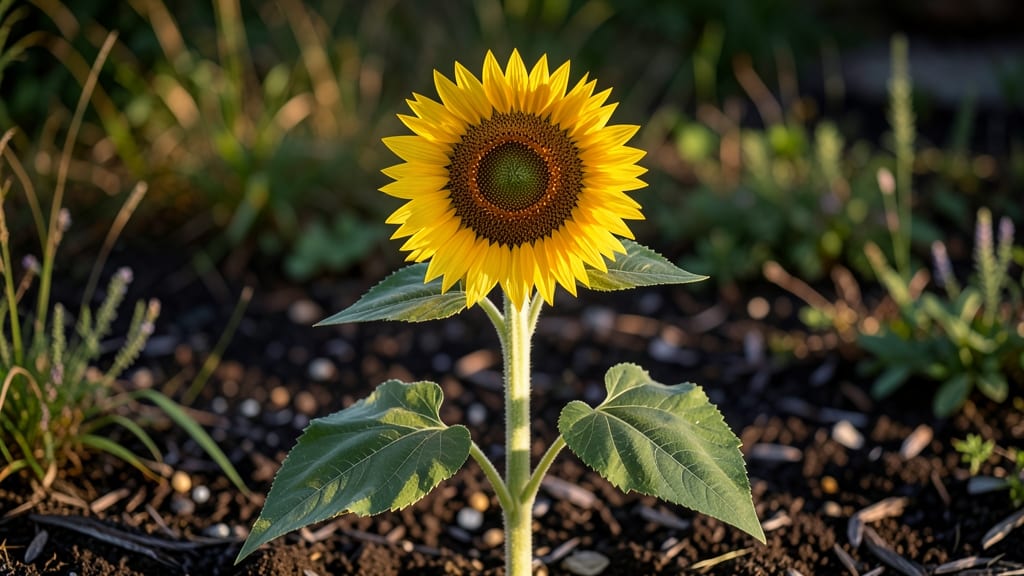
If you’ve ever planted a sunflower seed and wondered "how long does the sunflower growth time take until those towering 🌻 stalks appear?", the answer might surprise you.
Most sunflowers take between 80 to 120 days to reach their full glory—from a tiny sprout to a vibrant bloom—but the journey depends on more than just time.
Understanding the growth stages helps you set realistic expectations and troubleshoot delays. Germination happens in just 7 to 14 days, but reaching maturity requires ideal conditions like full sun, well-draining soil, and consistent watering. Skipping these basics can stretch the timeline or even stunt growth entirely.
In this guide, I’ll break down each phase—from sprouting to flowering—so you know exactly what to expect and how to speed up the process. Whether you’re growing sunflowers for beauty, seeds, or bird feeders, these insights will help you cultivate healthier, faster-growing plants with minimal effort.
Ready to turn your garden into a sunflower haven? Let’s dive into the science behind their growth and the secrets to maximizing their potential—without the guesswork.


Sunflower growth stages and their exact timeline from seed to bloom
Sunflowers are one of the fastest-growing plants in your garden, transforming from a tiny seed into a towering 12-foot giant in just 80-120 days.
Understanding each growth stage and its exact timeline helps you anticipate milestones—like sprouting, bud formation, and full bloom—so you can provide the right care at the perfect moment. I’ve tracked these stages for years, and the differences between early bloomers and late-season varieties are fascinating!
The journey begins with germination, where seeds crack open in 7-14 days under ideal conditions. From there, sunflowers enter a rapid vegetative growth phase, shooting up 2-3 inches per day until they reach their full height.
The flowering stage follows, marked by bud formation at 45-60 days, and finally, the maturity phase, where seeds ripen in 80-120 days. Let’s break down each phase with day-by-day expectations.
The germination stage is the most critical—seeds need consistent moisture and warm soil (60–70°F) to sprout within 7–14 days. I’ve seen seeds emerge in just 5 days if soil temps are perfect, but cooler conditions can delay sprouting by 2–3 weeks.
During this phase, keep the soil moist but not soggy to prevent rot. A simple trick? Use a seedling heat mat if your spring nights are chilly.
Once sprouted, sunflowers enter the seedling phase, growing 2–4 inches tall in just 7–10 days. This is when they’re most vulnerable to pests like cutworms or damping-off fungus.
I protect my seedlings with row covers until they’re 4 inches tall, which also shields them from strong winds. Thin seedlings to 12–18 inches apart to give them room to stretch their deep taproots.
By day 21, your sunflowers will be in full vegetative growth, shooting up 2–3 inches per day in ideal conditions. This phase lasts until day 45, when bud formation begins.
During this time, focus on deep watering (1–2 inches per week) and balanced fertilizer (10-10-10) to support rapid stem and leaf growth. I’ve seen sunflowers reach 5 feet tall by day 30 if given plenty of sunlight and nutrients!
The bud formation stage (days 45–60) is when the magic happens—your sunflower’s flower bud swells into a recognizable shape. This is also when the plant starts shifting resources from leaves to the bloom. You’ll notice the lower leaves yellowing and dying back, which is normal.
Reduce watering slightly during this phase to encourage stronger bud development. If you’re growing dwarf varieties, buds may appear even earlier (30–40 days).
At day 60, your sunflower enters the flowering stage, where the petals fully open in a spectacular display. This phase lasts 10–14 days, during which the flower attracts bees and butterflies while seeds begin forming.
The center disk (where seeds develop) will turn from green to brown as it matures. I love this stage because it’s the most visually rewarding—plus, it’s when you can start planning for seed harvesting!
Finally, the maturity stage (days <
5 Key factors that speed up or slow down sunflower growth time
Sunflowers are fast growers, but their growth time can vary dramatically based on your garden conditions. While most varieties reach maturity in 80 to 120 days, some gardeners see blooms in as little as 60 days with optimal care.
The difference often comes down to these five critical factors—each one acting like a speed boost or a brake pedal for your plants.
If you’ve ever planted sunflower seeds and wondered why some sprouts shoot up quickly while others lag behind, the answer likely lies in how you’re managing these variables. For example, partial shade can stretch growth time by weeks, while poor soil drainage might stunt roots entirely.
Let’s break down each factor so you can fine-tune your approach for faster, healthier sunflowers.
- 1 Full Sun Exposure (6-8+ hours daily): Sunflowers thrive in direct sunlight. Even 2 hours less sun can delay blooming by 10-15 days. South-facing gardens or containers near windows get the fastest results.
- 2 Well-Draining, Nutrient-Rich Soil (pH 6.0-7.5): Compacted or clay-heavy soil slows root growth. Amend with compost or sand for faster germination and stem strength. A balanced 10-10-10 fertilizer at planting boosts early vigor.
- 3 Consistent Watering (Deep Soaks 2-3x/Week): Drought stress halts growth, while overwatering causes root rot. Water at soil level (not leaves) in the morning to prevent fungal issues. Established plants tolerate dry spells better.
- 4 Warm Temperatures (70-85°F Optimal): Sunflowers won’t germinate below 50°F. Cool nights (below 55°F) delay flowering. Use row covers for early spring plantings or choose heat-tolerant varieties like ‘Autumn Beauty’.
- 5 Variety Selection (Dwarf vs. Giant): Dwarf varieties (e.g., ‘Teddy Bear’) bloom in 60-70 days, while giant types (e.g., ‘Russian Mammoth’) take 100+ days. Match your timeline to your goals—early blooms for cut flowers or tall stalks for seeds.
One of the biggest mistakes I see is assuming sunflowers are low-maintenance and then underestimating their sunlight needs. For example, planting them under fruit trees or near tall shrubs can reduce their growth speed by 30% or more.
If you’re in a partial-shade garden, opt for dwarf varieties or supplement with a grow light for 4-6 hours daily.
Soil quality is another silent growth killer. I once had sunflowers in heavy clay soil that took twice as long to sprout because the roots couldn’t penetrate easily.
The fix? Mix in 2 inches of compost and 1 part sand to improve drainage. This simple step can shave 10-15 days off your growth timeline.
For fastest results, combine these factors: plant dwarf varieties in well-amended soil, give them full sun, and water deeply every 2-3 days during dry spells.
With these adjustments, you could see blooms in as little as 60 days—perfect for summer cut flower arrangements or early birdseed harvests!