
Blooming
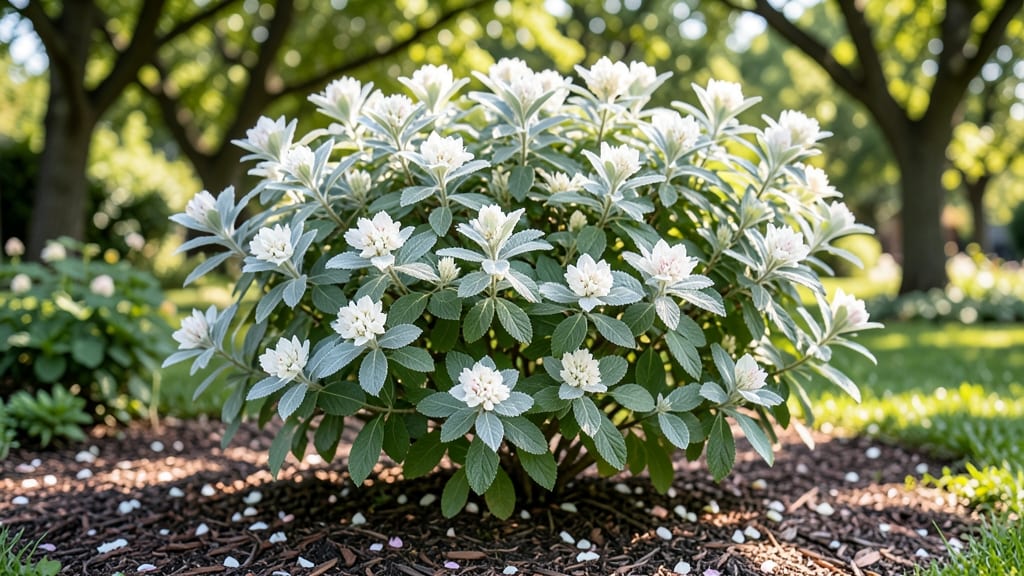
Timing your viburnum’s flowering season isn’t just about admiring those fragrant blooms—it’s the secret to keeping your shrubs thriving year after year. If you’ve ever wondered why your 🌸 viburnum seems to skip blooms or struggles to recover after pruning, the answer likely lies in understanding its natural cycle.
Different viburnum varieties burst into bloom at completely different times, from late winter’s Viburnum bodnantense to spring’s showstopper Viburnum plicatum. Get the timing wrong, and you might accidentally prune off next year’s flowers—or worse, miss the perfect window to encourage a lush display.
I’ll break down exactly when each type flowers and how to work with (not against) nature’s schedule.
Beyond the calendar, factors like sunlight, soil, and even your local USDA Zone 6a climate can shift bloom times. We’ll cover how to read your viburnum’s signals—like bud formation or last year’s growth—and adjust your care to maximize those show-stopping clusters every season.
Ready to transform your garden’s viburnum from “meh” to “wow”? Let’s dive into the science (and art) of flowering time, so you can prune with confidence and enjoy blooms that steal the show for years to come.
Viburnum flowering time by species: When blooms appear and how it affects pruning
Understanding your viburnum’s flowering window is the secret to maximizing its blooms year after year. Each species blooms at different times, and pruning at the wrong moment can mean fewer flowers next season.
For example, winter-blooming varieties like Viburnum bodnantense set buds in late summer, while spring bloomers like Viburnum plicatum need careful timing to avoid cutting off next year’s flowers. Let’s break down the key species and their pruning deadlines.
The biggest mistake gardeners make is pruning after flowers appear, especially for spring bloomers. If you cut back too late, you risk removing the flower buds forming for next year. For winter bloomers, pruning in late winter can be too early, as buds may still be developing.
Knowing your viburnum’s specific bloom cycle ensures you time pruning perfectly to encourage lush, abundant flowers.
Here’s the critical rule: Always prune immediately after flowering for spring bloomers, but wait until late winter or early spring for winter varieties. This timing ensures you never cut off next year’s blooms while keeping your shrub healthy and well-shaped.
| Species | Bloom Time | Pruning Window | Notes |
|---|---|---|---|
| Viburnum bodnantense | Winter (Dec-Feb) | Late winter (Feb-Mar) | Winter bloomer; prune after flowers fade. |
| Viburnum plicatum | Late spring (May-June) | Immediately after blooming | Spring bloomer; cut back dead wood. |
| Viburnum opulus | Spring (April-May) | After flowering (June) | Blooms on old wood; prune lightly. |
| Viburnum dentatum | Late spring (May-June) | Late winter (Feb-Mar) | Spring bloomer; prune before buds swell. |
| Viburnum rhytidophyllum | Summer (July-Aug) | After flowering (Sept-Oct) | Summer bloomer; prune to shape. |
For Viburnum bodnantense, the winter bloomer, timing is everything. These shrubs flower in late winter or early spring, making them a standout in cold months. Prune in late winter (February or March), just as the flowers fade, to avoid cutting off next year’s buds.
This variety thrives in partial shade and loves well-draining soil, which helps prevent root rot during winter blooming.
If you have Viburnum plicatum, also known as Japanese snowball, you’ll notice its stunning spring blooms in May or June. The key here is to prune immediately after flowering to encourage dense, layered branches for next year’s blooms.
Avoid heavy pruning, as this can reduce flowering. Instead, focus on shaping and removing dead wood to maintain an open, airy structure.
For Viburnum opulus, commonly called European cranberrybush, blooms appear in late spring (April or May). This species blooms on old wood, so pruning should be minimal and done after flowering in June.
Heavy pruning can lead to fewer flowers next year, so stick to light shaping and deadwood removal. This variety also produces vibrant berries, adding another layer of interest to your garden.
Regional climate plays a role in bloom timing. In warmer zones (USDA 8-10), winter-blooming viburnums like Viburnum bodnantense may flower slightly earlier, while in cooler zones (USDA 4-6), blooms might appear later.
Always adjust your pruning schedule based on your local frost dates. For example, if your last frost is in mid-April, wait until after that date to prune spring bloomers.
One pro tip for all viburnums: Always use sterilized pruning tools to prevent disease spread. Disinfect your shears with rubbing alcohol between cuts, especially if you’re pruning multiple shrubs. This simple step can double your success rate in keeping viburnums healthy and blooming abundantly.
Finally, pay attention to your shrub’s growth habits. Some viburnums, like Viburnum dentatum, benefit from renewal pruning every few years to rejuvenate growth. Others, like Viburnum rhytidophyllum, can handle heavier pruning after flowering.
Observing your specific variety’s response to pruning will help you refine your approach over time.
By mastering these species-specific pr
Step-by-step pruning guide: When and how to prune for maximum Viburnum flowers
Pruning your viburnum at the wrong time can turn next year’s show-stopping blooms into a bust. The key is understanding that most viburnums set flower buds on old wood, meaning last year’s growth holds next spring’s flowers.
Cut too late, and you’ll prune away potential blooms before they even form.
For spring-blooming varieties like Viburnum plicatum or Viburnum opulus, your pruning window is narrow—right after flowering but before buds form for next year. Winter-bloomers like Viburnum bodnantense are slightly more forgiving, but timing still matters to avoid sacrificing future blooms.
⚠️ Critical Note: Never prune in late summer or fall unless dealing with dead wood—this is when flower buds for next year’s blooms are already forming.
Step-by-Step Pruning Timeline for Viburnum
-
1
Late Winter (Before Bud Swell)
Best for Viburnum plicatum and spring bloomers
When: February–March (USDA Zone 6a)
Why: Removes dead wood and shapes shrub before flower buds form -
2
Early Spring (Right After Flowering)
Critical for Viburnum opulus and V. carlesii
When: April–May (immediately post-bloom)
Action: Prune spent flowers and thin crowded branches for airflow -
3
Summer (Only for Dead/Diseased Wood)
Emergency pruning only
When: June–August (if absolutely necessary)
Rule: Never remove more than 25% of foliage—buds for next year are already set! -
4
Fall (Minimal Pruning)
Only remove dead wood or safety hazards
When: September–October (after leaf drop)
Goal: Avoid disturbing winter-blooming varieties like V. bodnantense
Start by gathering your tools: bypass pruners for clean cuts, loppers for thicker branches, and a sharp saw for larger stems. Remove dead or crossing branches first—they block airflow and invite pests.
Next, thin out crowded areas to let sunlight penetrate the center of the shrub, which encourages dense flowering.
For shaping viburnum, focus on creating an open vase shape—this improves airflow and reduces fungal diseases like powdery mildew. Avoid shearing (cutting back uniformly), as this can turn your shrub into a flowerless wall by removing next year’s buds.
After pruning, apply a 2-inch layer of mulch around the base to retain moisture and regulate soil temperature. Water deeply to help the shrub recover, and avoid fertilizing until new growth appears in spring.
With the right timing and technique, your viburnum will reward you with vibrant, abundant blooms for years to come.