
Flowers
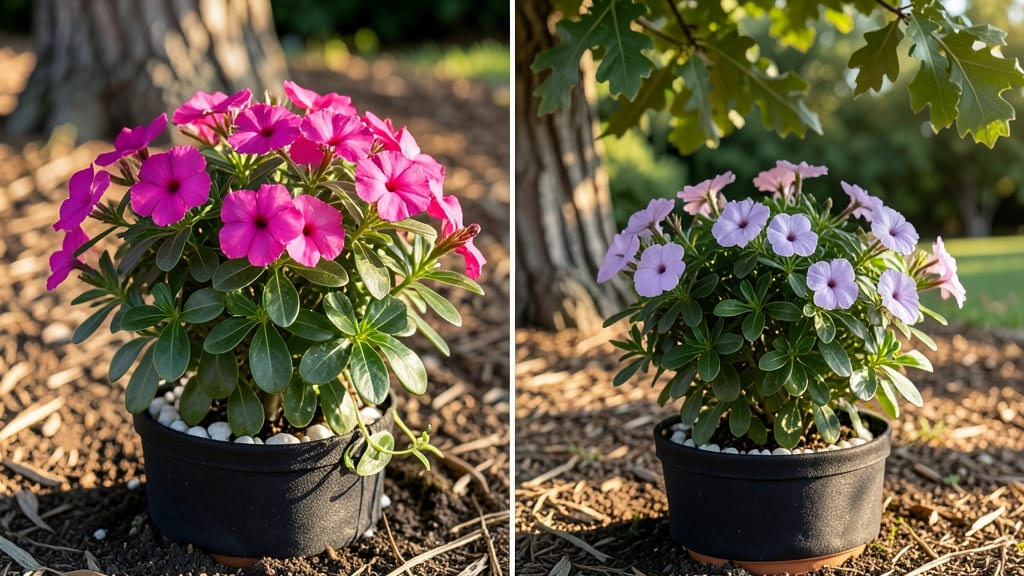
Want year-round color from vinca flowers that thrive in sun or shade? These hardy perennials are famously adaptable, but getting their light just right can mean the difference between vibrant blooms and limp, pale leaves.
Too much sun? They’ll scorch. Too little? They’ll stretch and struggle. The good news? With the right approach, you can grow vinca flowers in any spot—from full sun to deep shade—without sacrificing their signature beauty.
I’ll break down the exact light conditions vinca flowers crave, plus pro tips to keep them thriving whether they’re spilling over a container or anchoring a shady garden bed. Ready to unlock their full potential?
Let’s dive into how to give your vinca flowers the perfect light balance for bold, long-lasting color all season long.
 Best Window Placement
How sunlight affects vinca flowers: ideal conditions for sun vs. shade
Vinca flowers, also known as periwinkle, thrive in diverse light conditions—but their growth patterns and bloom intensity shift dramatically based on sunlight exposure. Whether you're growing Vinca major (greater periwinkle) or Vinca minor (lesser periwinkle), understanding these differences ensures vibrant, healthy plants year-round.
The key lies in how chlorophyll adapts to light levels, directly impacting leaf color and flower production.
In full sun (6+ hours), vinca plants develop darker green leaves and produce more abundant blooms, though their foliage may scorch in extreme heat without proper watering. Conversely, partial shade (3–6 hours) preserves lush, lighter green leaves and extends bloom duration by reducing stress.
Deep shade (<3 hours) can lead to leggy growth and sparse flowering, but some varieties still thrive with minimal light exposure.
| Variety | Sun Tolerance | Shade Tolerance | Leaf Color | Bloom Intensity |
|---|---|---|---|---|
| Vinca major | High (6+ hrs) | Moderate (3–6 hrs) | Dark green | Very high |
| Vinca minor | Moderate (3–6 hrs) | High (3+ hrs) | Lighter green | Moderate-high |
| Vinca 'Illumination' | Low (3–4 hrs) | Very high (2+ hrs) | Variegated | Moderate |
| Vinca 'La Grave' | Moderate (4–6 hrs) | High (3+ hrs) | Deep purple | High |
Vinca major flourishes in full sun, producing glossy, deep green leaves and clusters of 5-petaled blue or purple flowers from spring through fall. However, in deep shade, its growth slows, and blooms become sparse. This variety adapts well to morning sun with afternoon shade, balancing heat stress and light exposure. For optimal results, plant vinca major in well-draining soil with 1–2 inches of mulch to retain moisture.
In contrast, Vinca minor thrives in partial shade, making it ideal for woodland gardens or shaded borders. Its lighter green leaves and smaller blooms (typically lavender or white) signal its preference for indirect light.
When grown in full sun, vinca minor may develop leaf scorch or produce fewer flowers, especially in hot climates. To mitigate this, provide dappled sunlight or use shade cloth during peak afternoon hours.
For variegated vinca varieties like 'Illumination,' shade is non-negotiable. These plants rely on bright indirect light to maintain their striking yellow-edged foliage. Too much sun can cause the variegation to fade, while too little shade leads to leggy, sparse growth.
Position these vincas near east-facing windows or under tree canopies that filter sunlight gently. Their bloom intensity remains moderate but consistent, offering year-round interest.
Understanding chlorophyll adaptation explains why vinca leaves change color in different light conditions. In low-light environments, plants produce more chlorophyll b, resulting in lighter green or variegated leaves. Conversely, high-light conditions boost chlorophyll a, darkening foliage and enhancing photosynthetic efficiency.
This adaptation directly impacts flower production, as vincas allocate more energy to blooms when exposed to adequate light.
If you notice pale or yellowing leaves on your vinca, it’s often a sign of over-shading. While vincas tolerate shade, deep shade (<3 hours) can weaken growth and reduce blooms. To revive underperforming plants, gradually introduce more light over 2–3 weeks or prune nearby trees to increase sunlight
5 Pro tips to maximize vinca growth in any light condition
Vinca flowers are famous for their adaptability, but their light needs still make or break their performance. In full sun, they thrive with bright blooms and compact growth, while in shade, they stretch and lose color without the right adjustments.
The key is matching their care to their environment—whether that’s a sun-drenched border or a shady woodland garden.
I’ve grown vinca in everything from containers on patios to understory plantings, and these five strategies have kept them lush and blooming year after year. Let’s tackle the biggest challenges—like overwatering in shade or under-fertilizing in sun—so your vinca stays vibrant no matter where you plant them.
- 1
- 2
- 3
- 4
- 5
One of the biggest mistakes I see is overwatering vinca in shade. Shady spots retain moisture longer, so the soil can become soggy and lead to root diseases. Instead, stick your finger in the soil—if it’s still damp after 2 inches, wait before watering again.
In sun, the opposite is true: vinca can drought-stress quickly, so always water deeply to encourage deep root growth.
For sun-loving vinca varieties like Vinca ‘Illumination’, a little extra morning sun (before 10 AM) prevents leaf scorch while keeping blooms vibrant.
If your vinca starts looking pale or stretched, it’s begging for more light—try moving it to a sunnier spot or add a reflective surface (like white gravel) nearby to bounce light onto the leaves.
Finally, don’t underestimate the power of companion planting. Vinca pairs beautifully with hostas in shade or roses in sun, creating a low-maintenance, high-impact display. Just avoid planting near competitive ground covers like mint or creeping charlie, which can outcompete vinca for nutrients.
With these tips, your vinca will reward you with year-round color—whether it’s basking in full sun or thriving in deep shade. The secret? Listen to your plants and adjust their care like you would a fine-tuned garden orchestra.