
Flowers
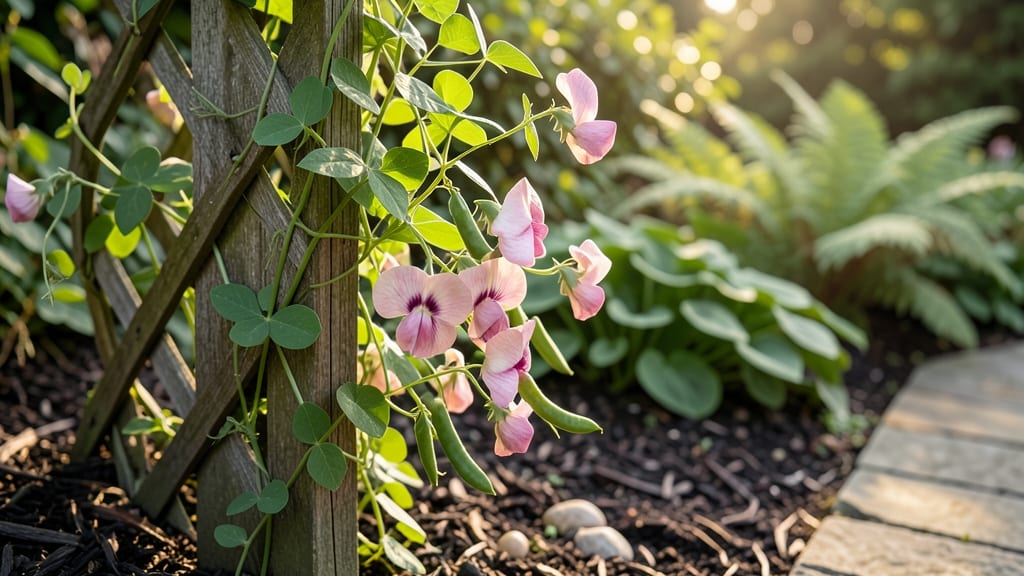
Sweet peas flower in what month do sweet peas flower—late spring to early summer—transforming your garden into a fragrant, colorful escape—but timing can vary wildly depending on where you live and how you plant them.
If you’ve ever waited impatiently for those delicate blooms to appear, you’re not alone. The secret to getting sweet peas 🌸 to bloom on schedule lies in understanding your local climate and choosing the right varieties.
In most temperate regions, including USDA Zone 6a, sweet peas typically burst into bloom between May and June, though some varieties can start as early as April or extend into July.
But here’s the catch: cooler climates or fall plantings might shift that window to September or October. The key is knowing how to work with your growing season instead of fighting it.
What you’ll discover is that a few simple adjustments—like planting at the right time or selecting fast-blooming varieties—can make all the difference. Whether you’re a patient gardener or someone who wants instant color, these insights will help you time your sweet pea blooms perfectly for your garden’s peak season.
Ready to turn your garden into a sweet pea paradise? Let’s dive into the exact months to plant, the factors that affect bloom time, and how to extend those vibrant flowers for as long as possible.
Sweet pea flowering months by USDA climate Zones: a seasonal breakdown
Sweet peas thrive on precision timing, and their blooms arrive like clockwork when you align variety selection with your USDA hardiness zone. In Zone 3-5, expect vibrant displays from May through July, while Zones 8-10 enjoy extended seasons from March to October.
The secret? Sweet peas need cool soil temperatures (50-65°F) and increasing daylight hours to trigger flowering.
Early bloomers like ‘Cupani’ often appear 4-6 weeks faster than late varieties, but their timing shifts dramatically across climates. For example, Zone 7 gardeners might see first blooms in April, while Zone 10 peers could spot them as early as February.
Understanding these patterns lets you plan succession plantings for continuous color.
Here’s how temperature thresholds and daylight exposure dictate bloom windows across zones:
Notice how Zones 9-10 enjoy a 10-month bloom window? That’s because their warmer winters prevent dormancy, while shorter summer days trigger fall blooms. In contrast, Zones 3-4 rely on late-spring warmth to break dormancy, making early varieties like ‘Cupani’ your best bet for May color.
Daylight hours are equally critical. Sweet peas need 12+ hours of light to flower, which explains why northern zones see blooms 2-3 weeks later than southern ones. For example, Zone 5 gardeners might delay planting until after May 15 to ensure sufficient daylight for flowering.
Pro tip: Use shade cloth in Zones 9-10 during summer to prevent heat stress, which can delay blooms. Aim for 30-50% shade when daytime temps exceed 85°F. This mimics the cooler conditions sweet peas prefer for optimal flowering.
For extended seasons, try successive plantings every 2-3 weeks in spring. In Zones 5-8, this creates a 3-month bloom cascade. Pair early varieties like ‘Alaska’ with mid-season ‘Carnevale’ and late ‘O’Clock’ for nonstop color from April to September.
Watch for bud formation as your first clue that blooms are near. In cool climates, buds appear 60-70 days after planting, while warmer zones may see them in just 45-55 days.
Prune spent blooms to encourage continuous flowering, especially in Zones 7-10 where heat can shorten the season.
Remember: Sweet peas are cool-season champions. If your zone experiences hot summers, opt for shade-tolerant varieties like ‘Blue Moon’ or plant in partial shade to preserve energy for fall blooms. With the right timing, you’ll enjoy fragrant, vibrant blooms for half the year!
🌸
5 Key factors that delay or advance sweet pea blooms (and how to control them)
Sweet peas are finicky about timing—too much heat, not enough sun, or the wrong soil temperature can push back those fragrant blooms by weeks. But here’s the good news: with a few strategic tweaks, you can control bloom timing to match your garden’s peak season.
The secret lies in understanding the five key factors that either delay or advance flowering, from daylight exposure to pruning techniques.
Let’s start with the biggest game-changer: soil temperature. Sweet peas need cool soil to trigger blooming—ideal temperatures hover around 50–65°F. If your soil is too warm, flowering will stall until conditions cool down.
This is why fall plantings often produce blooms in September or October instead of spring. Conversely, planting in late winter (when soil is still cool) can jumpstart blooms as early as April or May.
Next up is daylight exposure, which directly impacts bloom timing. Sweet peas need 12+ hours of daylight to trigger flowering—a threshold most regions hit in late spring.
If you’re in a short-day area (like the Pacific Northwest), you might see blooms as early as April, while southern gardeners could wait until June. Pro tip: Use shade cloth in summer to prevent heat stress, which can delay blooms.
Choosing the right variety is another game-changer. Early bloomers like ‘Cupani’ or ‘Spencer’ typically flower in 60–70 days, making them perfect for spring plantings with blooms by May or June.
Late varieties like ‘Carnevale’ or ‘Perfume’ take 90+ days, so they’re better suited for fall plantings with blooms in September or October. Mixing varieties can stretch your bloom season from spring to fall.
Don’t underestimate the power of pruning to control bloom timing. Regularly deadheading spent blooms removes seed pods, encouraging the plant to produce more flowers instead of setting seed. This simple step can extend flowering by 4–6 weeks.
Additionally, trimming leggy stems promotes bushier growth, which in turn leads to more blooms. Just avoid heavy pruning once buds form—focus on shaping instead.
Finally, fertilization plays a surprising role in bloom timing. Too much nitrogen (like in lawn fertilizer) will send your sweet peas into leafy overdrive, delaying blooms. Instead, use a balanced, low-nitrogen fertilizer (like 5-10-10) at planting and again when buds appear.
This ensures your plants focus on flower production rather than foliage. A light feeding in early spring and late summer will keep blooms coming all season long.
By mastering these five factors, you’ll have full control over when your sweet peas bloom—whether you want early spring color or fall displays. Start with soil temperature and daylight, then fine-tune with variety selection, pruning, and fertilization.
Your garden will thank you with months of vibrant, fragrant blooms! 🌸