
Flowers
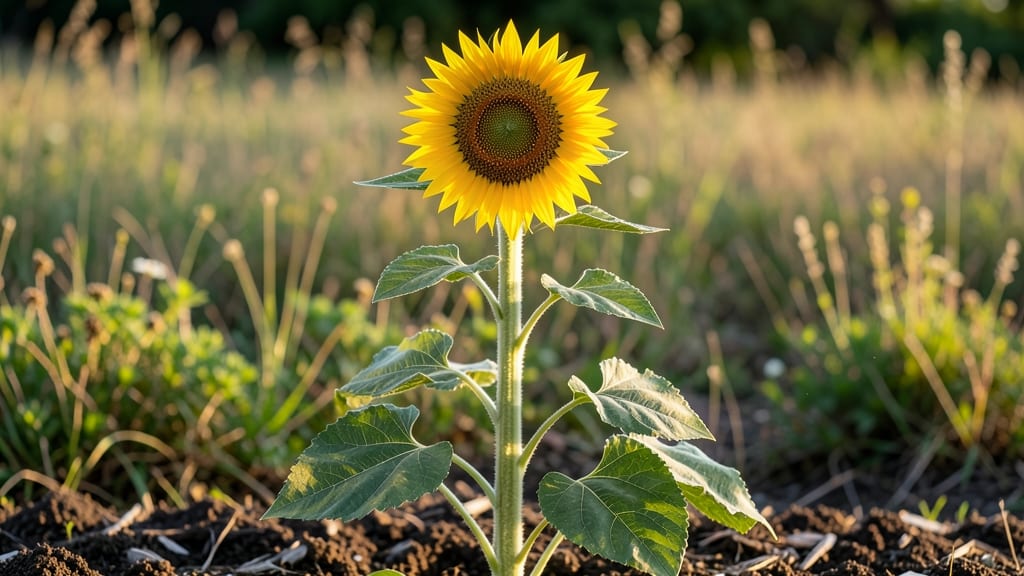
If you’ve ever planted sunflowers in Florida only to watch them struggle in the heat or bolt too quickly, you’re not alone—these towering beauties actually thrive in two distinct seasons, each with its own perfect timing for coastal and inland regions.
The key? Understanding Florida’s unique climate zones where sunflowers 🌻 can either tower over your garden in spring or bloom reliably in fall, depending on where you live.
Most gardeners assume sunflowers only grow in spring, but Florida’s 8a-11 zones create a second chance in late summer and fall. Whether you’re in humid South Florida or the milder inland areas, timing your planting right means the difference between 6-foot giants and sad, stunted plants.
Let me show you exactly when to plant for the most vibrant blooms—plus how to stretch your growing window with simple tricks.
You’ll discover why March-April and August-September are the magic months for sunflowers in Florida, how to pick varieties that handle your local heat, and even how to cheat the system with staggered planting. No more guessing—just reliable, show-stopping sunflowers that bring joy from June through November.
Ready to transform your garden? I’ll walk you through the best planting calendar for your specific Florida zone, plus pro tips to keep your sunflowers thriving—no matter where you live in the state. Let’s get growing!
Florida sunflower season breakdown: coastal vs inland planting months
Florida’s sunflower season isn’t one-size-fits-all—thanks to its diverse climate zones and coastal vs. inland microclimates. While coastal areas like Miami enjoy year-round warmth, inland regions like Gainesville face cooler winters that create distinct planting windows.
Understanding these differences is key to growing healthy, thriving sunflowers that reach their full 6-to-14-foot height. Let’s break down the best months to plant in each region.
In North Florida (Zones 8a-9a), sunflowers thrive in two distinct seasons: a spring planting window (March–April) and a fall planting window (August–September). The cooler temperatures here allow for a longer growing season, but frost can still be a risk in January and December.
Meanwhile, Central Florida (Zones 9b-10a) enjoys a slightly extended season, with February and October also being viable months for sowing seeds.
For South Florida (Zones 10b-11), the rules change entirely. The tropical climate means sunflowers can technically be planted year-round, but the peak growing months are March–May and September–November. Coastal areas also experience higher humidity and salty air, which can stress sunflowers if not managed properly.
Below, we’ll compare these regions side by side to help you pick the perfect planting time for your location.
| Region | Best Planting Months | Frost Risk | Rainfall Impact | Key Tip |
|---|---|---|---|---|
| North Florida (Zones 8a-9a) | March–April (spring) & August–September (fall) | High (Jan–Feb) | Moderate (spring rains) | Use black plastic mulch to warm soil early. |
| Central Florida (Zones 9b-10a) | February–March & September–October | Low (occasional Dec frost) | High (summer storms) | Choose drought-tolerant varieties like 'Autumn Beauty'. |
| South Florida (Zones 10b-11) | Year-round (peak: Mar–May & Sep–Nov) | None | Very high (hurricane season) | Plant in elevated beds to avoid waterlogging. |
In North Florida, the spring planting window (March–April) is critical because it aligns with the last frost date, which typically falls around mid-January. If you miss this window, don’t worry—fall planting in August–September still yields beautiful blooms by October–November.
The key here is to monitor soil temperatures, which should ideally be 60°F or warmer for optimal germination.
For Central Florida, the extended frost-free period allows for a slightly longer season. Planting in February gives you early blooms by May–June, while September plantings result in fall harvests just in time for Thanksgiving decorations.
This region benefits from staggered plantings every 2–3 weeks to ensure continuous blooms throughout the year.
South Florida’s tropical climate is a gardener’s dream for sunflowers—no frost risk means you can plant almost anytime. However, the peak months (March–May and September–November) offer the best balance of sunlight and rainfall. Coastal areas also require extra attention to soil drainage, as heavy rains and humidity can lead to root rot if not managed properly.
Regardless of your location, soil preparation is non-negotiable. Florida’s sandy soils drain too quickly, while clay-heavy areas can suffocate roots. Amend your soil with compost or aged manure before planting to improve water retention and nutrient availability.
Sunflowers are heavy feeders, so a balanced 10-10-10 fertilizer applied at planting and again when flowers appear will give them the boost they need.
One common misconception is that sunflowers only grow in summer. While they love warmth and sunshine, they can also thrive in cooler fall temperatures, especially in North and Central Florida.
The secret to success lies in timing your plantings to avoid the hottest summer months (June–July), which can stress young plants. Instead, aim for early spring or late summer for the best results.
Finally, don’t overlook the microclimates within your region. For example, coastal areas may experience cooler breezes that delay germination, while inland spots can get hotter and drier faster. Pay attention to your specific location’s conditions and adjust your planting schedule accordingly.
With the right timing and care, your sunflowers will reach their full potential, turning your garden into a sun-drenched paradise. 🌻
How to extend your sunflower season in Florida: pro tips for year-round blooms
Florida’s warm climate lets you grow sunflowers almost year-round, but a few smart strategies will help you maximize blooms and avoid heat stress. The key is understanding how to work with Florida’s two distinct growing seasons—spring and fall—while using techniques to push boundaries in summer and winter.
Sunflowers thrive in warm soil (60°F+), so timing is everything. Coastal areas face more humidity and salt spray, while inland regions deal with intense summer heat. By combining staggered planting, soil amendments, and shade management, you can enjoy sunflowers from February through November.
Stagger Plantings
Plant seeds every 2-3 weeks from February to September. This ensures continuous blooms as older plants finish and new ones take over.
Use Shade Cloth
In coastal areas or summer months, use 30-50% shade cloth to protect young plants from intense sun and salt spray. Remove when plants reach 12 inches.
Amend Sandy Soils
Florida’s sandy soils drain too fast. Mix in 2-3 inches of compost and a balanced fertilizer (10-10-10) before planting to retain moisture and nutrients.
Mulch Heavily
Apply 3-4 inches of mulch (straw or pine bark) to conserve water, regulate soil temperature, and suppress weeds. Replenish every 2-3 months.
Choose Heat-Tolerant Varieties
Opt for dwarf varieties like 'Teddy Bear' or 'Moulin Rouge', which handle Florida’s heat better than tall types. They also bloom faster in summer.
For summer planting, start seeds indoors 4-6 weeks before transplanting to avoid bolting. Water deeply in the morning to prevent fungal issues, and avoid overhead watering during peak sun hours. In winter, protect young plants with row covers if temperatures dip below 40°F.
One of my favorite tricks is growing sunflowers in containers on patios or balconies. Use large pots (12+ inches deep) with drainage holes, and place them where they get at least 6 hours of sun daily. This gives you flexibility to move plants away from afternoon heat if needed.
Don’t forget to harvest seeds from your sunflowers! Let the heads dry completely on the stem, then shake seeds into a paper bag. Store them in a cool, dry place for next year’s plantings. With these techniques, you’ll enjoy sunflowers year-round—even in Florida’s challenging climate! 🌻