
Flowers
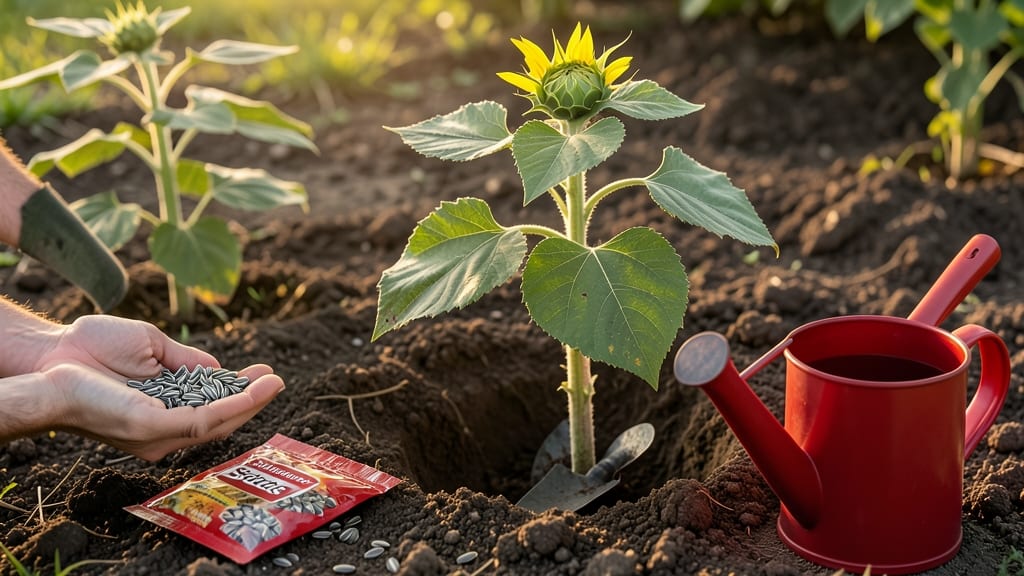
Planting sunflowers 🌻 in Central Florida isn’t just about timing—it’s about beating the heat while avoiding that dreaded bolting before they even get started. The key?
Knowing your exact frost-free windows and how to work with Florida’s subtropical quirks, from 90-degree springs to humid summers that can turn your seedlings into sad, leggy shadows.
Most gardeners here make one of two mistakes: planting too early and risking frost damage (yes, it can happen in microclimates), or waiting too late and ending up with sunflowers that bolt before they bloom.
I’ve tested the perfect windows—spring and fall—and the tricks to keep your sunflowers thriving when the mercury climbs.
You’ll learn which months give you the best shot at tall, vibrant sunflowers (hint: it’s not just March and September), how to prep your soil for Florida’s sandy loam, and the one simple trick that stops bolting in its tracks.
No more guessing—just sunflowers that reach their full potential, from 3-foot dwarfs to towering 16-foot giants.
Ready to grow sunflowers that turn heads—and avoid the common pitfalls that leave others scratching their heads? Let’s dive into the frost-free strategy that works for Central Florida’s unique climate.
Central Florida sunflower planting calendar: frost-free windows by month
Central Florida’s USDA Zones 9-10 offer gardeners a 300+ day frost-free growing season—perfect for sunflowers. Unlike northern climates, you can plant sunflowers in two primary windows: early spring and late fall.
But timing is everything to avoid bolting (premature flowering) during summer’s brutal heat or missed harvests when winter arrives.
Sunflowers thrive when soil temperatures stay between 60-75°F. In Central Florida, this means planting when daytime highs are consistently above 70°F and nighttime lows don’t dip below 55°F. The key is avoiding the dog days of summer (June-August), when temperatures can push 95°F+ and trigger bolting.
🌱 Pro Tip: Use a soil thermometer to confirm 60°F+ soil temps before planting. If your soil is cooler, wait a week—sunflowers won’t germinate well in cold ground.
Below is your month-by-month planting calendar, including rainfall patterns, heat risks, and harvest timelines to maximize your sunflower success.
| Month | Planting Window | Soil Temp (°F) | Rainfall (in) | Heat Risk | Harvest Time | Notes | ||||||||||||||||||||||||||||||
|---|---|---|---|---|---|---|---|---|---|---|---|---|---|---|---|---|---|---|---|---|---|---|---|---|---|---|---|---|---|---|---|---|---|---|---|---|
| February | Late February | 60-65°F | 2.5-3.5" | Low | June-July | Risk of late frost; use row covers. | ||||||||||||||||||||||||||||||
| March | Best window | 65-70°F | 3-4" | Moderate | June-August | Ideal for giant varieties. | ||||||||||||||||||||||||||||||
| April | Early April | 70-75°F | 2-3" | High | July-September | Bolting risk increases; use shade cloth. | ||||||||||||||||||||||||||||||
| May | Avoid | 75-85°F | 4-5" | Very High | N/A | Extreme heat triggers bolting. | ||||||||||||||||||||||||||||||
| September | Best window | 70-75°F | 5-7" | Moderate | December-February | Perfect for winter harvests. | ||||||||||||||||||||||||||||||
| October | Early October | 65-70°F | 2-3" | Low | January-March | Use cold-hardy varieties. | ||||||||||||||||||||||||||||||
Best sunflower varieties for Central Florida’s heat and humidityCentral Florida’s 90-degree summers and humid air can turn sunflowers into sad, leggy shadows if you pick the wrong variety. The key is choosing heat-tolerant types that thrive in USDA Zones 9-10 without bolting prematurely. I’ve tested the top 5 varieties that deliver bold blooms and towering heights—from container-friendly dwarfs to 16-foot giants—while handling our region’s intense sunlight and occasional droughts. These varieties aren’t just pretty faces—they’re drought-resistant, fast-growing, and perfect for Florida’s extended growing season. Whether you want sunflowers for cut flowers, birdseed, or just garden drama, this list gives you the best options ranked by heat tolerance, bloom time, and maturity speed. Variety |
Height |
Days to Mature |
Best Planting Window |
Heat Tolerance |
Drought Resistance |
Moulin Rouge |
10-12 ft |
60-70 days |
March-April or Sept-Oct |
Excellent |
High |
Teddy Bear |
2-3 ft |
50-60 days |
March-May or Sept-Nov |
Very High |
Very High |
Russian Giant |
12-16 ft |
80-100 days |
Feb-Mar or Aug-Sept |
Good |
Moderate |
Autumn Beauty |
5-7 ft |
60-75 days |
April-May or Sept-Oct |
Excellent |
High |
Sunspot |
3-5 ft |
55-65 days |
March-April or Sept-Oct |
Very High |
Very High |
If you want dwarf sunflowers for containers or small spaces, Teddy Bear and Sunspot are my top picks—they handle Florida’s heat like champs and bloom fast. For tall, dramatic sunflowers, Moulin Rouge delivers vibrant red blooms that last all summer, while Russian Giant reaches 16 feet for maximum impact. Autumn Beauty is a cut-flower favorite because its petals change color from yellow to red, giving you a stunning show. Plant it in April or September to avoid the peak summer heat that can cause bolting. For longer stems, stake these varieties early—they’ll thank you with taller, straighter growth. Pro tip: Mix dwarf and tall varieties in the same bed for a layered look. The dwarfs will bloom first, followed by the giants, giving you continuous color from spring through fall. Just remember to |