
Flowers
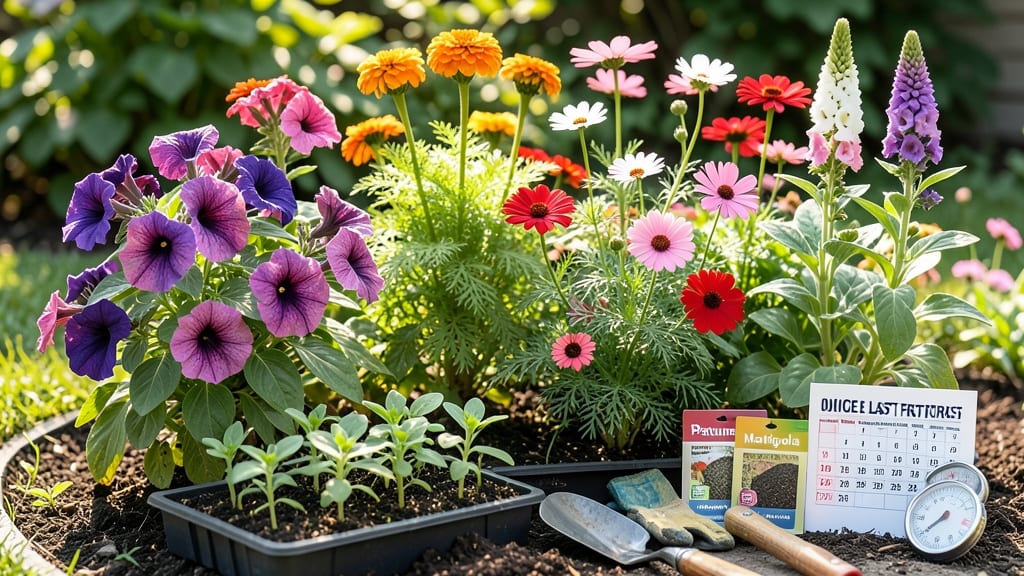
Timing your flower planting in Ohio can make the difference between a garden bursting with 🌸 blooms and one that never quite takes off. The key isn’t just waiting for spring—it’s knowing your county’s frost dates, which can shift by weeks from north to south.
If you plant too early, a late frost will zap tender seedlings, while waiting too long might mean missing peak bloom season. Ohio’s 6a-6b zones give you a starting point, but local microclimates (like lake-effect chills near Cleveland or urban heat islands in Columbus) demand extra attention.
I’ve broken down the exact planting windows for Ohio’s most popular flowers, from hardy perennials to heat-loving annuals, so you can start with confidence. Whether you’re in Appalachia or the Miami Valley, this guide ensures your garden gets off to the right start.
Ready to transform your yard? Let’s dive into the county-by-county frost dates that’ll help you plant flowers at the perfect moment—no guesswork required.
Ohio flower planting timeline by county: frost dates & best months
Ohio’s diverse geography—from Lake Erie’s coastal breezes to Appalachia’s mountain valleys—creates wildly different frost patterns. Southern counties like Butler and Clermont often see their last frost by April 15, while northeastern regions like Ashtabula can linger until May 5.
Understanding these variations ensures your annuals, perennials, and bulbs thrive. Below, I’ve broken down Ohio’s USDA Zones 6a-6b into actionable planting windows for your county.
For urban gardeners in Columbus or Cincinnati, heat islands can delay frost by 1-2 weeks compared to rural areas. Meanwhile, Appalachian counties like Athens or Hocking may experience earlier frosts due to higher elevations.
Use this guide to align your flower planting with local averages—and always check the 7-day forecast before sowing seeds or transplanting seedlings.
🌱
| County Region | Avg. Last Frost | Avg. First Frost | Best Planting Window | Key Flowers |
|---|---|---|---|---|
| Northern (Ashtabula, Lake) | May 5 | October 10 | May 10–June 15 | Pansies, Snapdragons, Dahlias |
| Northeast (Cuyahoga, Geauga) | April 25 | October 15 | April 20–May 10 | Tulips, Petunias, Zinnias |
| Central (Franklin, Delaware) | April 15 | October 20 | April 10–May 5 | Peonies, Marigolds, Sunflowers |
| Southeast (Athens, Vinton) | April 5 | October 25 | March 20–April 10 | Daffodils, Black-Eyed Susans, Coneflowers |
| Southwest (Butler, Clermont) | April 10 | October 30 | March 25–April 15 | Lilies, Roses, Geraniums |
If you’re in a border county like Lorain or Hamilton, err on the side of caution: wait until May 1 for frost-sensitive annuals.
For perennials like daylilies or hostas, plant in early spring (March–April) or early fall (September) to establish roots before winter. Bulbs like tulips and daffodils should go in the ground by November for spring blooms.
Pro tip: Use row covers or cold frames to extend your planting season by 2–3 weeks in early spring or late fall. For example, Cleveland gardeners can start petunia seeds indoors in March and transplant after May 1, while Columbus gardeners might push that to April 15.
🌿
Ohio’s Appalachian counties (e.g., Athens, Hocking) often have shorter growing seasons due to higher elevations. Here, focus on cold-hardy perennials like aster or goldenrod, which tolerate early frosts.
In contrast, Lake Erie counties (e.g., Lorain, Erie) benefit from lake-effect cooling, which can delay first frosts until late October—perfect for fall-blooming mums or kale.
For succession planting, sow fast-growing annuals like basil or bush beans every 2 weeks from May through July. This ensures continuous blooms and harvests. Slow-to-mature perennials (e.g., peony, lavender) should be planted in
How to adjust planting times for Ohio’s microclimates & frost exceptions
Ohio’s frost dates aren’t just about the calendar—they’re shaped by microclimates that can shift planting windows by weeks. For example, Lake Erie’s chilly breezes delay spring planting in Ashtabula County by 10-14 days compared to Chillicothe’s warmer valleys.
Meanwhile, Columbus’s urban heat island can push last-frost dates back by nearly a week in city centers versus suburban areas.
Even within a single county, elevation changes (like those in Appalachian Ohio) create frost pockets where temperatures drop 5°F faster than lowland areas. These quirks mean a one-size-fits-all approach won’t work.
I’ll show you how to customize planting times using simple tools like row covers or cold frames to beat Ohio’s frost exceptions.
⚠️ callout warning ⚠️
Even if your last frost date is April 15, a late freeze (like the 2020 Easter weekend event) can hit anywhere in the state. Use the 50°F soil thermometer rule—never plant until soil warms to this temp, even if flowers are frost-free. For tender annuals (like petunias), wait until May 1 in most regions.
💡 Pro Tip: Check OSU Extension’s frost maps weekly in April for real-time updates.
Start by identifying your local frost exceptions. Urban areas like Cincinnati or Toledo often see warmer microclimates due to concrete and pavement retaining heat, while rural farmlands near lakes experience sudden lake-effect cooling.
For example, Marion County (near Lake Erie) might have a last frost on May 10, but just 20 miles inland, it could be April 25.
Extend your growing season with season-extending tools. A floating row cover (like Reemay) adds 4-6°F protection and lets you plant marigolds or pansies 3 weeks earlier. For perennials like coneflowers, use a cold frame to start seeds indoors in February and transplant after the last frost.
Even a black plastic mulch warms soil by 5-7°F, helping tender bulbs like dahlias survive.
Plan for succession planting to avoid gaps. In northern Ohio, sow fast-growing annuals like zinnias every 2 weeks from May to July to ensure continuous blooms. For fall flowers, start mums and asters indoors in July to beat the early October frost that hits Appalachian regions first.
Keep a planting journal to track which methods work best in your yard.
When in doubt, use Ohio’s hardiness zone map as a baseline but adjust by 1-2 weeks based on your microclimate. For instance, Zone 6a gardeners in Athens should treat their frost dates like Zone 5b due to higher elevation risks.
By mastering these tweaks, you’ll turn Ohio’s frost quirks into garden advantages—not obstacles.