
Flowers
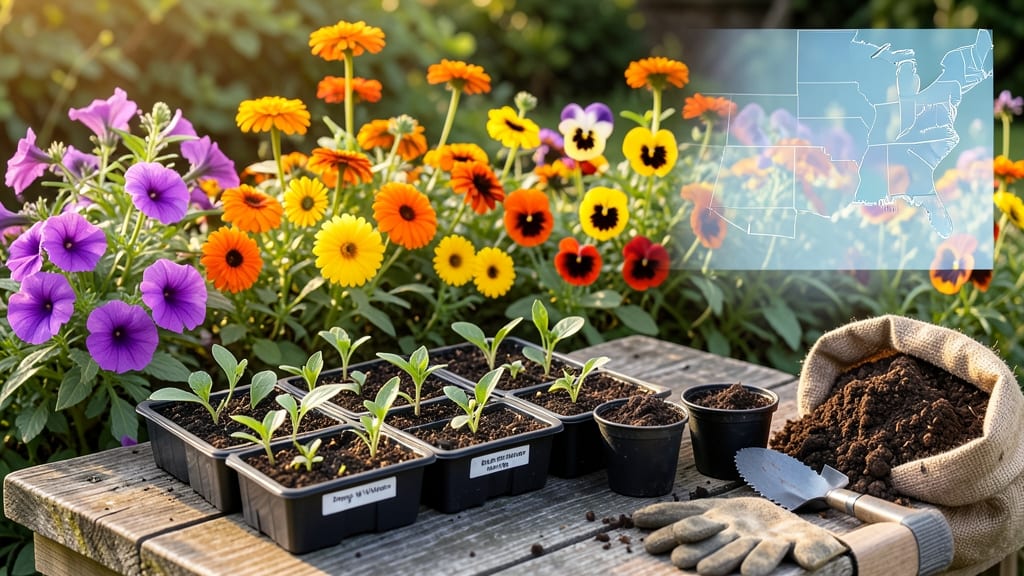
Knowing when to plant flowers in Michigan can mean the difference between a thriving garden and frost-nipped disappointment—especially with our famously fickle spring weather.
Whether you're prepping for vibrant summer blooms or hardy fall varieties, timing is everything, and getting it wrong could leave your 🌸 dreams wilting before they even begin.
Michigan's USDA Zones 5b-6b offer two prime planting windows: mid-April to mid-June for spring bloomers and late August to early September for fall favorites.
But with last frosts creeping from early May in Detroit to late May in the Upper Peninsula, even experienced gardeners need a reliable guide to avoid costly mistakes.
In this guide, I’ll break down the exact frost-free deadlines by zone, plus the best flowers to plant for each season—whether you’re growing sun-loving zinnias or shade-tolerant impatiens. You’ll also discover pro tips to extend your planting season safely, so you can enjoy blooms from spring to frost.
Ready to transform your Michigan garden into a year-round floral masterpiece? Let’s get started with the timing secrets that will keep your flowers flourishing—no matter what Mother Nature throws your way.
Michigan flower planting deadlines by USDA hardiness zones (5b, 6a, 6b)
Michigan’s three main USDA hardiness zones—5b, 6a, and 6b—each have distinct last frost dates that dictate when you can safely plant flowers. Zone 5b (northern Michigan) typically sees its last frost around May 15, while Zone 6b (southern Michigan) averages April 20.
Understanding these timelines helps you avoid frost damage while maximizing bloom time.
For annual flowers, wait until soil temperatures reach 50°F or warmer—usually 2-3 weeks after your zone’s average last frost. Perennials, however, can often be planted 2-4 weeks earlier in spring or late summer for fall establishment.
Microclimates—like urban heat islands or sheltered valleys—can shift these dates by 1-2 weeks, so always monitor local forecasts.
Here’s your zone-by-zone breakdown for planting flowers in Michigan, including key deadlines for spring and fall planting to ensure healthy growth and vibrant blooms.
| Zone | Avg. Last Frost | Safe Planting Window | Fall Planting Deadline | Cold-Hardy Perennials |
|---|---|---|---|---|
| 5b (Northern MI) | May 15 | May 22–June 1 | September 1–15 | Coneflowers, Black-Eyed Susans, Daylilies |
| 6a (Central MI) | May 1 | April 28–May 15 | September 15–30 | Peonies, Lavender, Russian Sage |
| 6b (Southern MI) | April 20 | April 28–May 10 | October 1–15 | Bee Balm, Shasta Daisies, Catmint |
In Zone 5b, where frosts linger later, focus on cold-tolerant annuals like pansies and snapdragons, which can handle light frosts. For Zone 6b, you can push the envelope with heat-loving annuals like marigolds and zinnias, planting them as early as mid-April in sheltered microclimates.
Always check soil temperature—a soil thermometer is your best tool for accuracy.
For fall planting, aim to get perennials in the ground 4-6 weeks before your zone’s first frost (typically mid-October in Zone 5b and late October in Zone 6b).
This gives roots time to establish before winter. Bulbs like tulips and daffodils can even be planted in late fall, as they thrive with cold stratification.
Urban gardens in cities like Detroit or Grand Rapids often experience earlier last frosts due to the urban heat island effect. If you’re in a city, you might safely plant 1-2 weeks earlier than rural areas.
Conversely, high-altitude regions like the Upper Peninsula can have late-season frosts, so err on the side of caution and wait until mid-June for heat-loving annuals.
Pro tip: Use row covers or cold frames to extend your planting window by 2-3 weeks in early spring. These tools create a microclimate that protects tender plants from unexpected frosts. Just remove them when daytime temperatures consistently stay above 55°F to avoid overheating.
Monitor local frost forecasts from resources like the Michigan State University Extension or NOAA’s Frost Prediction Maps. These tools provide real-time updates and can help you adjust your planting schedule when Michigan’s weather throws a curveball.
With the right timing, you’ll enjoy longer bloom seasons and healthier plants year after year.
Don’t forget that fall-planted bulbs and cool-season annuals can give you early spring color. For example, pansies and sweet alyssum planted in September will often bloom through winter, adding vibrant pops of color to your garden even in chilly months.
Best flowers to plant in Michigan by season (spring, summer, fall)
Michigan’s two distinct planting seasons—spring and fall—offer perfect windows for annuals and perennials to thrive. In Zone 5b (northern Michigan), aim for mid-May to early June for spring planting, while Zone 6b (southern Michigan) can start as early as late April.
Fall planting runs from late August to early September, giving flowers time to establish roots before winter.
For heat-tolerant annuals like zinnias and marigolds, wait until soil temps hit 55°F+—usually after Memorial Day. Meanwhile, cold-hardy perennials such as coneflowers and black-eyed Susans can handle early spring or fall planting, even if frost lingers.
Let’s dive into the best varieties for each season to maximize your Michigan garden’s beauty.
- 🌱 Spring Planting (Zone 5b: May 15–June 1 | Zone 6b: April 20–May 15): Petunias, pansies, snapdragons (cool-season annuals) + daylilies, bee balm (perennials).
- ☀️ Summer Planting (After June 1): Zinnias, marigolds, sunflowers (heat-lovers). Transplant cold-sensitive perennials like lavender after last frost.
- 🍂 Fall Planting (Late August–Early Sept): Chrysanthemums, asters, goldenrod (fall bloomers) + hardy perennials like coneflowers, black-eyed Susans for spring rebloom.
- ❄️ Winter Planting (Nov–Early Dec): Bulbs like tulips, daffodils (plant before ground freezes) + winter pansies for early spring color.
- ⏰ Pro Tip: Use row covers to extend spring planting by 2–3 weeks for frost-sensitive varieties.
In Zone 5b, prioritize early-blooming perennials like columbines and lungwort to beat the short growing season. These cold-tolerant plants handle Michigan’s late frosts better than tender annuals.
For Zone 6b, lean into heat-loving annuals such as portulaca and celosia, which thrive in Detroit’s hot summers and can be planted as late as June 15.
Fall is your best bet for perennial powerhouses. Planting black-eyed Susans or Russian sage in late August gives roots time to establish before winter, ensuring vibrant blooms next spring. For annuals, opt for cool-season varieties like pansies and snapdragons—they’ll reward you with color until frost.
Don’t overlook bulbs for winter planting! Daffodils and tulips planted in November will naturalize and return year after year. Pair them with winter pansies for early spring interest before your perennials wake up. With the right timing, your Michigan garden can burst with color from spring to frost.
For container gardening, stick to heat-tolerant annuals like geraniums or verbena—they handle urban heat islands better than delicate petunias. And always check soil temps with a thermometer; 50°F+ is the magic number for annuals to avoid frost damage.