
Plants
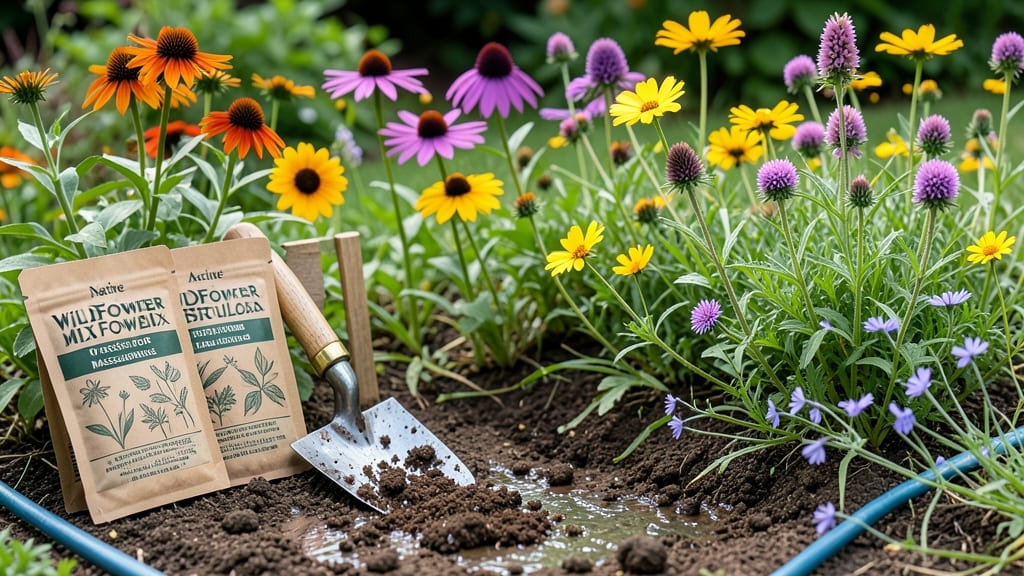
Planting wildflower seeds in Massachusetts at the wrong time can mean the difference between a burgeoning meadow and a wasted packet of seeds.
The perfect window for your zone—whether you're in Boston's 6A or the Cape's 5B—isn't just about spring or fall, but timing it just right to beat frost and ensure strong root growth.
Most gardeners in 5b-6b zones swear by early spring (March–April) or early fall (September–October) planting, but did you know that northern MA has a shorter frost-free season than the south?
That means your Cape Cod garden might thrive with a later spring planting than Worcester's. Let’s break down the exact deadlines so you can avoid common mistakes and get those 🌼 blooms off to the best start.
Beyond timing, the soil prep and seed selection make all the difference. Whether you're aiming for black-eyed Susans that bloom all summer or milkweed to attract monarchs, knowing which varieties suit your microclimate is key.
I’ll share the best species for your region and how to prep your soil for maximum germination—no guesswork, just results.
Ready to transform your yard into a pollinator paradise? Stick around, and I’ll walk you through every step—from choosing the right seeds to keeping them thriving once they pop up. No more missed opportunities or faded dreams of a wildflower wonderland.
Massachusetts wildflower planting deadlines by zone 5A-6B
Massachusetts' diverse climate zones (5A-6B) create unique planting windows for wildflowers. In Zone 5A (northern MA), the last frost typically arrives by May 15, while Zone 6B (southern MA) can plant as early as April 15.
These differences mean your planting deadline could vary by 3 weeks depending on location.
For spring planting, aim to sow seeds 2-4 weeks before your region's last frost date. In Boston (Zone 6A), that's late March to early April, while Worcester (Zone 5B) should wait until mid-April. Cape Cod (Zone 6B) offers the earliest window, often March 15 or earlier.
Fall planting offers a second chance for wildflowers, with seeds needing 4-6 weeks to germinate before first frost. In Zone 5A, sow by September 15, while Zone 6B can extend until October 1. This timing ensures roots establish before winter dormancy.
| Region/Zone | Spring Planting Window | Fall Planting Window | Key Microclimate Note |
|---|---|---|---|
| Boston (Zone 6A) | Late March - Early April | September 15 - October 1 | Urban heat islands extend growing season by 1-2 weeks |
| Worcester (Zone 5B) | Mid-April | September 1 - September 15 | Inland valleys experience earlier frosts |
| Cape Cod (Zone 6B) | March 15 - Late March | September 20 - October 10 | Coastal winds delay frost by 1-3 weeks |
| Northern MA (Zone 5A) | Early May | September 1 - September 10 | Higher elevations get 2-3 weeks earlier frost |
Annual wildflowers like cosmos and zinnias thrive when planted in spring, while perennials such as black-eyed Susans and cone flowers benefit from fall planting. Perennials establish deeper roots before winter, giving them a head start in spring blooming.
Microclimates play a crucial role. South-facing slopes warm up faster, allowing earlier planting by 1-2 weeks compared to north-facing areas. Coastal regions like Cape Cod experience milder winters, extending the fall planting window by 2-3 weeks compared to inland areas.
For Zone 5A gardeners, focus on hardy perennials like goldenrod and asters that tolerate colder soils. In Zone 6B, you can experiment with tender annuals like sunflowers and marigolds, planting them after May 1 to avoid frost damage.
Always check your local USDA frost map before planting, as microclimates can shift deadlines by up to 3 weeks. For example, Boston's Back Bay may be Zone 6A, while nearby Mattapan could be Zone 5B due to elevation differences.
Pro tip: Use row covers in early spring to extend your planting window by 2-3 weeks in colder zones. This simple technique can transform a Zone 5A garden into a Zone 6A environment during critical germination periods.
Remember that wildflower seed packets often include planting instructions based on average zones. Always adjust for your specific location—your local Cooperative Extension office can provide precise frost date data for your town.
Best wildflower seed types for Massachusetts seasons
Massachusetts' four distinct seasons demand wildflowers that thrive in spring warmth, summer heat, and fall chill. The right species can transform your garden into a year-round pollinator magnet, even in Zone 6B's drought-prone summers.
Let’s explore the best seasonal wildflowers that flourish in MA’s climate, from cosmos that bloom in late spring to asters that brighten late fall.
For spring-blooming annuals, nothing beats cosmos and zinnias. These drought-resistant beauties germinate quickly in Zone 6B's March-April window and reward you with non-stop blooms from June through frost.
Their self-cleaning habit means no deadheading—just cut-and-come-again stems for bouquets. Pair them with sunflowers for tall, dramatic accents that thrive in full sun and poor soil.
🌱 Seasonal Wildflower Guide for Massachusetts
-
🌸 Spring Bloomers (Plant March-April)
Cosmos, Zinnias, Sunflowers
✔️ Drought-tolerant once established
✔️ Full sun lovers (6+ hours)
✔️ Self-seeding annuals for easy regrowth -
☀️ Summer Perennials (Plant Fall or Early Spring)
Black-Eyed Susans, Coneflowers, Milkweed
✔️ Native pollinator favorites
✔️ Low-maintenance perennials
✔️ Drought-resistant after establishment -
🍂 Fall-Winter Hardy (Plant August-September)
Goldenrod, Asters, Purple Coneflower
✔️ Late-season nectar for bees
✔️ Cold-hardy to Zone 5A
✔️ Seed heads provide winter interest -
💧 Drought-Proof Picks for Zone 6B
Lavender, Russian Sage, Yarrow
✔️ Zero irrigation needed after 1 year
✔️ Heat-tolerant for southern MA summers
✔️ Deer-resistant options
Summer’s perennial powerhouses like black-eyed Susans and cone flowers are MA natives that thrive with minimal care. Plant their seeds in fall (September-October) for stronger root systems before winter, or early spring for immediate blooms.
These pollinator magnets attract butterflies, bees, and hummingbirds while requiring no fertilizer once established. For Zone 5A gardeners, opt for New England asters—they bloom late summer to frost and handle colder soils better than southern varieties.
Don’t overlook fall-winter hardy species like goldenrod and asters, which provide critical late-season nectar for migrating monarchs. These tough perennials reseed easily and return year after year with minimal effort.
For drought-prone Zone 6B areas, Russian sage and yarrow are game-changers—they thrive on neglect and zero summer watering once roots establish. Their silver foliage adds textural contrast to meadows.
Pro tip: Mix annuals and perennials for continuous color. Plant cosmos (annual) alongside cone flowers (perennial) so your garden never goes bloom-less. In shadier spots, try wild columbine or foxglove—both handle partial shade and MA’s humidity beautifully.
Always prep your soil by loosening clay-heavy MA dirt and mixing in compost to improve drainage.
Remember: Native species like milkweed and bee balm support local ecosystems far better than non-native alternatives. Check with your local Cooperative Extension for region-specific recommendations—some areas may have invasive species to avoid.
With the right mix, your MA wildflower meadow will thrive year-round, attracting pollinators and adding color to every season.