
Flowers
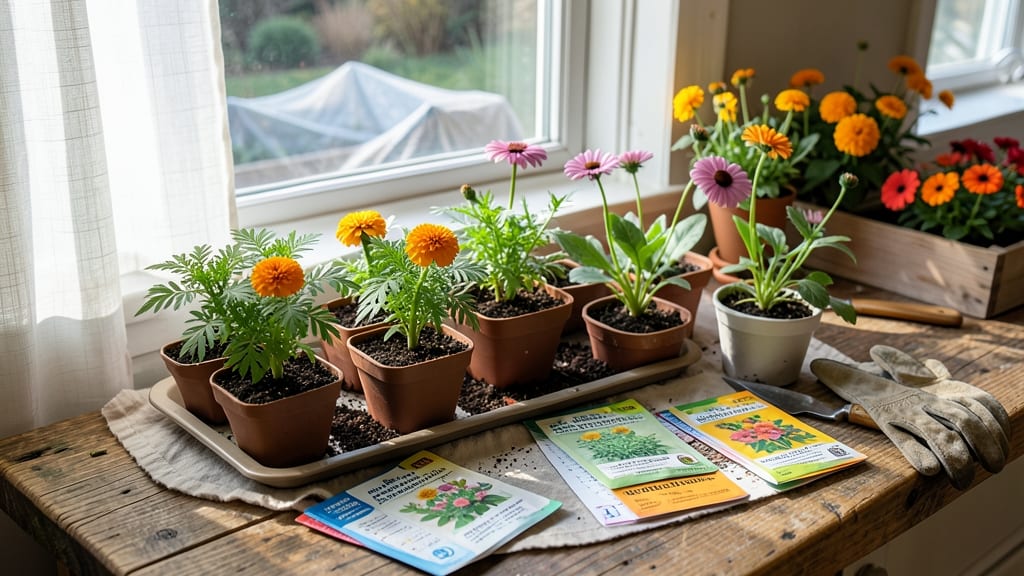
Planting flower seeds at the wrong time in Massachusetts can mean the difference between a vibrant garden and a sad pile of frost-nipped sprouts.
The last frost date in USDA Zone 5b typically lands in mid-April, but that’s just the starting line—some flowers need to go in the ground weeks earlier, while others wait until the soil warms up.
I’ve learned the hard way that rushing spring planting often leads to disappointment, especially when unpredictable weather rolls in. Whether you’re dreaming of cosmos blooming by summer or pansies brightening up early spring, getting the timing right is the key to success in Massachusetts’ humid continental climate.
In this guide, I’ll break down exactly when to plant your favorite flower seeds—from cool-season hardies like sweet peas to heat-loving petunias—so you can avoid common mistakes and maximize your blooms. Let’s get those seeds in the ground at the perfect moment!
We’ll also cover how to adjust for your specific corner of Massachusetts, whether you’re dealing with Boston’s coastal breezes or Worcester’s inland valleys. Trust me, a little preparation now means more flowers and less frustration later.
Massachusetts flower seed planting deadlines by frost-free date
Massachusetts’ USDA Zone 5b climate creates a tight window for planting flower seeds—miss it, and you risk frost damage or stunted growth.
The average last frost date ranges from mid-April in Boston to early May in inland areas like Worcester, but coastal regions like Cape Cod can be weeks earlier. Warm-season flowers like marigolds and zinnia need soil temperatures above 60°F, while cool-season pansies can handle 40°F soil.
Planning ahead ensures vibrant blooms all season.
For Boston gardeners, the last frost date typically falls around April 15, while Worcester and Springfield often see their last frost 2-3 weeks later.
This delay affects when to start seeds indoors or sow directly outdoors. UMass Amherst Extension recommends using row covers or cold frames to extend your planting window by 2-4 weeks if frost threatens. Always check local forecasts—2023’s late spring proved how variable Massachusetts weather can be!
Here’s your region-specific planting timeline for Massachusetts flower seeds, including cold-hardy annuals, warm-season favorites, and perennials that return year after year. Use this as your guide to avoid the common mistake of planting too early or too late.
| Flower Type | Boston Last Frost | Worcester Last Frost | Springfield Last Frost | Indoor Start Date | Outdoor Sow Date |
|---|---|---|---|---|---|
| Cold-Hardy Annuals (Pansies, Snapdragons) | March 15 | March 20 | March 25 | February 15 | April 1-15 |
| Warm-Season Annuals (Marigolds, Zinnias) | April 15 | April 25 | May 1 | March 1 | After May 10 |
| Perennials (Coneflowers, Black-Eyed Susans) | April 1 | April 10 | April 15 | February 1 | April 15-30 |
| Fall-Blooming (Asters, Goldenrod) | N/A | N/A | N/A | July 1 | August 1-15 |
Notice how Boston’s earlier frost date gives you a 2-week head start on planting compared to inland areas? This is why cosmos seeds, for example, can be sown directly in late April in Boston but should wait until early May in Worcester.
Always adjust for microclimates—a south-facing wall or urban heat island can add 1-2 weeks to your growing season.
For warm-season flowers like petunias or geraniums, wait until the soil is consistently above 60°F—usually 2 weeks after your last frost date.
Test soil temperature with a soil thermometer (available at local nurseries like Wayland’s Garden Center) to avoid disappointment. Slow germination in cool soil is a common issue—don’t rush it!
If you’re planting perennials like daylilies or bee balm, aim for late April to early May in most of Massachusetts. These hardy plants can tolerate light frosts once established, but young seedlings are vulnerable.
Use mulch to protect roots and retain moisture, especially in dry springs like 2020’s record heat.
Don’t forget about fall planting! Flowers like asters and goldenrod thrive when sown in early August. This gives them time to establish roots before winter, ensuring vibrant blooms in late summer/fall. UMass Extension
How to adjust planting times for Massachusetts’ microclimates
Massachusetts isn’t just one climate—it’s a patchwork of microclimates that can shift your planting schedule by weeks.
If you’re gardening in Boston’s coastal zone, for example, you’ll deal with chilly ocean breezes that delay soil warming, while inland areas like Worcester’s valleys can experience sudden frost pockets even after the official last frost date.
Urban heat islands in cities like Springfield or Lowell create their own challenges, where pavement absorbs heat and can trick you into planting too early. Meanwhile, western Massachusetts’ hillsides often see frost lingering longer due to higher elevations.
Understanding these variations helps you fine-tune your timing for maximum success with flower seeds.
Here’s the critical adjustment: Add 2-3 weeks to your planting schedule if you’re in coastal areas, and subtract 1-2 weeks for inland heat islands.
For example, if the average last frost is April 15, coastal gardeners might wait until May 1 to sow warm-season flowers like marigolds or zinnias, while inland gardeners could plant by April 25.
⚠️ WARNING: MASSACHUSETTS MICROCLIMATE MISTAKES⚠️ Ignoring frost pockets? Inland valleys can get late frosts in May. Protect tender seedlings with row covers or move potted flowers indoors overnight until danger passes.
⚠️ Skipping indoor starts? For slow-growing perennials like peony or black-eyed Susan, begin seeds indoors 8-10 weeks before your target transplant date—especially in cooler microclimates.
Row covers are my secret weapon for extending the season. A simple floating row cover (like Agribon) can add 4-6 weeks to your growing window by trapping heat and shielding plants from wind.
For example, I use them to plant cosmos seeds in early April in my inland garden—giving me blooms by June instead of July.
Cold frames work wonders for hardy annuals like pansies or snapdragons. Place them over seed trays in late winter to start seeds 6-8 weeks before the average last frost.
The cold frame’s glass or plastic creates a microclimate of its own, accelerating germination while protecting young plants from sudden temperature drops.
For heat-loving flowers like sunflowers or dahlias, consider a mini greenhouse or even a clear plastic dome over pots. These create the warm soil conditions needed for germination, especially in Massachusetts’ cooler springs. I’ve seen dahlia tubers sprout 3 weeks earlier when started under a dome versus outdoors.
Pro tip: Check the UMass Extension Service’s frost maps (updated annually) for your specific town. Their data accounts for local variations—like why Nantucket’s last frost might be June 1 while Pittsfield’s is May 15. Adjust your schedule accordingly, and you’ll avoid the heartbreak of lost seedlings.