
Blooming
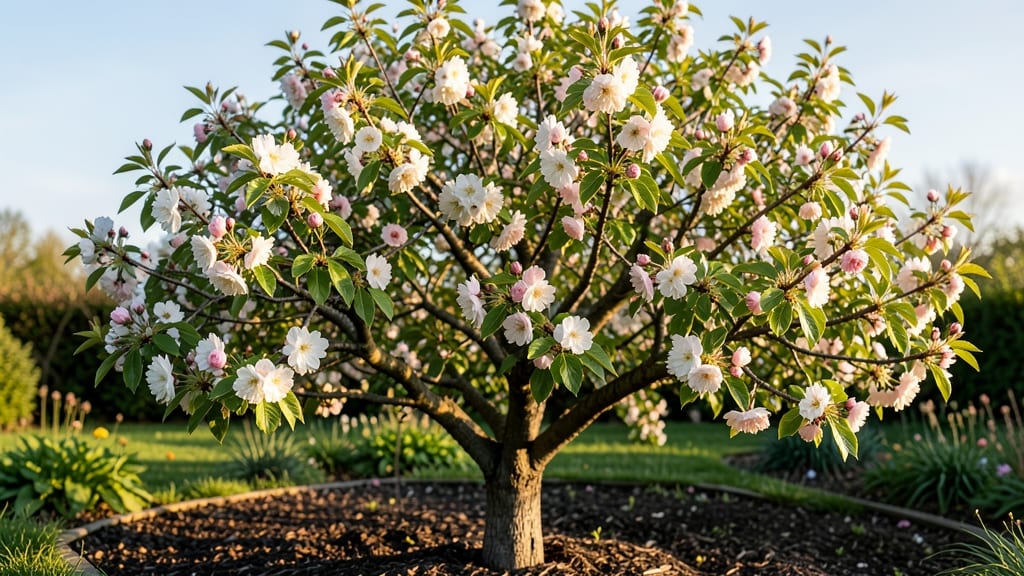
If you’ve ever dreamed of waking up to a 🍒 tree bursting with pink or white blossoms, you’re probably wondering: when do cherry trees flower? The answer isn’t as simple as checking a calendar—these stunning trees bloom with surgical precision, but their schedule hinges on variety, climate, and even last winter’s chill hours.
Miss the window, and you’ll stare at bare branches when the neighbors are snapping photos of their floral masterpiece.
The magic usually happens in early spring, but the exact timing can shift dramatically depending on where you live.
In USDA Zone 6a, like much of the Midwest, expect blooms as early as late March or as late as May, while warmer regions might see flowers weeks earlier—or not at all, if the tree didn’t get enough winter chill.
That’s why knowing your tree’s personality (and your local microclimate) is the key to never missing the show again.
What if you could stretch that bloom season or even coax a second round of flowers? It’s possible with the right care—think pruning, soil tweaks, and a few clever gardening hacks.
I’ll walk you through the secrets to keeping your cherry tree in peak bloom longer, so you can enjoy those dreamy petals for weeks instead of days. Let’s dive into the science (and art) of cherry tree flowering.
Whether you’re a patient gardener waiting for your first bloom or a veteran with a dozen varieties, understanding these rhythms will transform how you nurture your tree.
You’ll spot the early signs, predict peak bloom, and even troubleshoot delays before they happen. Ready to become the cherry tree whisperer in your neighborhood?
Cherry tree bloom timing by variety: when to expect flowers
Timing your garden visits to catch cherry trees in full bloom is like planning a springtime rendezvous—you wouldn’t want to miss it!
Most cherry trees burst into color between late March and mid-May, but the exact timing varies wildly depending on whether you’ve planted ornamental, tart, or sweet varieties.
For example, the 'Stella Compact' often starts its pink spectacle in early April, while the iconic 'Kanzan' doesn’t peak until mid-May. Regional differences also play a huge role—trees in USDA Zone 5 may bloom 2-3 weeks earlier than those in Zone 9.
Understanding these differences helps you plan everything from photography sessions to pollinator-friendly garden parties. If you’re growing cherries for fruit, timing matters even more—late bloomers like 'Bing' often yield better harvests in cooler climates, while early bloomers like 'Rainier' may face frost damage in unpredictable springs.
Let’s break down the bloom windows for 10+ popular varieties so you never miss a single petal!
🌱 Pro Tip: Set a calendar reminder for your specific variety’s bloom window—some, like 'Autumn Royal', even produce a second flush of flowers in late summer!