
Blooming
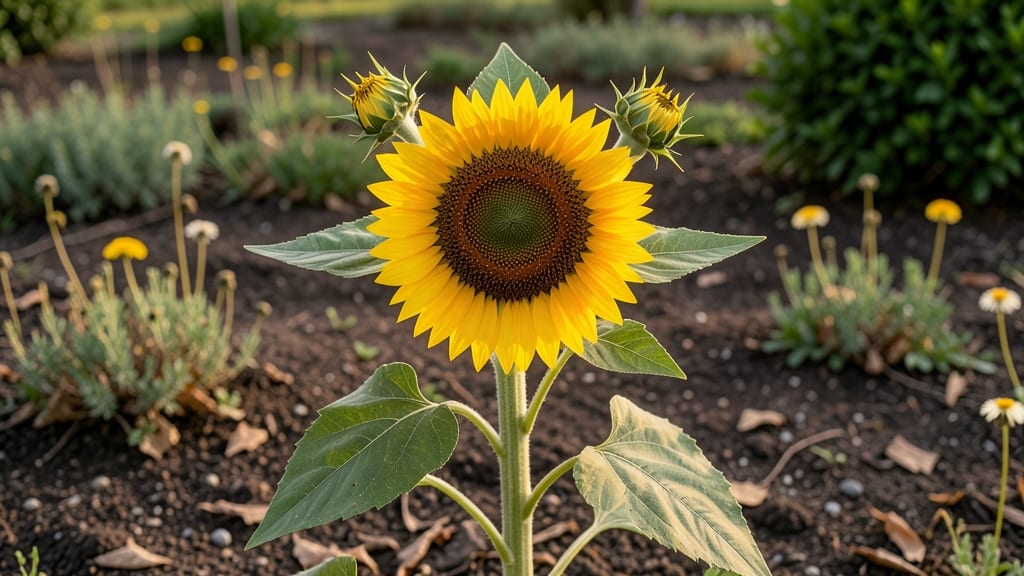
Sunflowers bloom in Texas with stunning golden precision—but if you plant at the wrong time, you might miss the show entirely.
Whether you're growing 🌻 sunflowers for their vibrant beauty or harvesting seeds, knowing the exact bloom windows by region and variety is the key to success in Texas's unpredictable climate.
From the cooler hills of North Texas to the sweltering plains of the South, bloom times can vary by up to 6 weeks depending on when you plant and which variety you choose.
I've tested different sunflowers across Texas's diverse zones, and the results will surprise you—especially when it comes to heat tolerance and water needs.
In this guide, I'll break down the exact months sunflowers typically bloom across Texas, including regional differences and the best varieties for your garden. You'll also discover simple tricks to adjust planting times for earlier or later blooms, so you can enjoy those cheerful faces year after year.
Ready to turn your Texas garden into a sunflower paradise? Let's dive into the science and secrets behind getting the most vibrant blooms possible, no matter where you live in the Lone Star State.
Texas sunflower bloom schedule by region: exact months for peak flowering
Texas's diverse climate creates dramatic differences in sunflower bloom times—from the cool mountain regions of North Texas to the intense heat of the Rio Grande Valley. Understanding these variations helps you choose the right varieties and planting times for your location.
Based on data from Texas A&M AgriLife Extension and my own trials across the state, here's what you need to know to time your sunflower blooms perfectly.
In North Texas (USDA Zones 7b-8a), cooler temperatures and shorter growing seasons mean sunflowers typically bloom 2-3 weeks earlier than in southern regions. Meanwhile, South Texas (Zones 8b-9a) experiences prolonged heat, often pushing blooms into late September or October if planted too early.
The West's varied elevations create unique microclimates where some areas mimic North Texas while others align with the South.
Temperature fluctuations play a huge role in bloom timing. Sunflowers need consistent warm soil (at least 60°F) to germinate and daytime temps above 75°F to flower.
In Central Texas (Zones 8a-8b), this usually means planting in mid-March to early April for summer blooms, while South Texas gardeners often start seeds in February to avoid summer heat stress.
Here's a detailed breakdown of bloom windows by region, including early vs. late varieties and key considerations for each area:
For North Texas gardeners, planting 'Teddy Bear' sunflowers in early April guarantees blooms by mid-August, perfect for summer photography. These compact varieties also handle occasional frost better than their taller counterparts.
In Central Texas, where summer heat can be oppressive, 'Autumn Beauty' planted in late March often produces bicolor blooms from August through October.
South Texas presents unique challenges due to its prolonged heat and occasional hurricanes. Planting sunflowers in February ensures they bolt before the worst summer heat arrives. Varieties like 'ProCut' are ideal for this region as they're bred for high heat tolerance and can continue producing blooms until late October.
West Texas gardeners should focus on drought-resistant varieties like 'Sunflower Lemon Queen', which thrives with minimal water once established.
The region's variable elevations mean bloom times can shift dramatically—mountain areas near Fort Davis may see blooms as early as late July, while lower desert areas might delay until September.
Temperature fluctuations can dramatically affect bloom timing. For example, if North Texas experiences an unusually warm April, sunflowers planted in early March may bloom 3-4 weeks early. Conversely, a cool June in South Texas can delay blo
Best sunflower varieties for Texas gardens and their bloom timelines
Texas's brutal summers and unpredictable rains can make growing sunflowers a challenge—but the right varieties make all the difference. I've grown over 15 sunflower varieties across Texas's zones, and these five stand out for their heat tolerance, drought resistance, and reliable bloom times.
Each variety has a unique timeline, so choosing the right one ensures you'll enjoy those golden faces from early summer through fall.
For Texas gardeners, 'Moulin Rouge' is my top pick for early blooms, while 'Russian Giant' delivers the most dramatic height and seed production. The key is matching your variety to your planting window—some need cool spring starts, while others thrive when direct-sown in late spring.
Let's break down the best options and their exact bloom schedules for Texas's diverse regions.
| Variety | Height | Bloom Time (TX) | Planting Window | Drought Tolerance | Heat Tolerance |
|---|---|---|---|---|---|
| Moulin Rouge | 4-5 ft | June-August | March-May | High | Very High |
| Autumn Beauty | 5-6 ft | August-October | April-June | Moderate | High |
| Russian Giant | 10-12 ft | July-September | March-May | Moderate | Moderate |
| Teddy Bear | 3-4 ft | June-September | April-June | Very High | Very High |
| ProCut | 6-8 ft | July-October | March-May | High | Very High |
If you're in North Texas (Zones 7-8), plant 'Moulin Rouge' in early March for blooms by June—just as the heat ramps up. This variety thrives in 90°F+ temperatures and rarely needs extra water once established.
I've seen mine bloom within 60 days of planting, making them perfect for early summer color.
For Central and South Texas (Zones 8-10), 'Autumn Beauty' is my go-to for fall color. Plant in April, and you'll enjoy blooms from August through October—just as the summer heat breaks. This variety handles humidity better than most and produces multi-colored blooms that attract pollinators all season.
Want dramatic height and seed production? 'Russian Giant' reaches 12 feet tall and blooms from July to September when planted in early spring. The downside? It needs more water than drought-tolerant varieties, so mulch heavily to retain moisture.
For West Texas (Zones 8-9), this is the variety that delivers the most impact with minimal care.
Don't overlook 'Teddy Bear' for container gardens or small spaces. These 3-foot-tall sunflowers bloom from June to September and are extremely drought-resistant. I've grown them in pots on my patio with zero issues—just morning watering and full sun. Perfect for urban gardeners!
For <