
Flowers
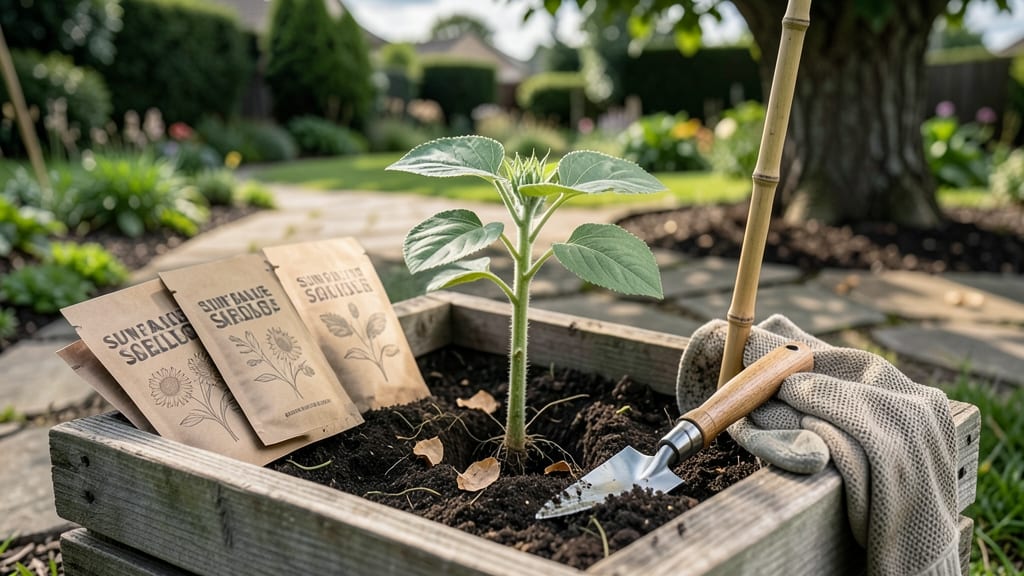
Planting sunflowers in Ohio at the wrong time can mean the difference between a towering 🌻 masterpiece and a sad, frost-nipped failure.
With last frost dates shifting from mid-April in Toledo to early May in Columbus, timing is everything—and getting it wrong means missing peak blooms or dealing with stunted growth.
I’ve grown sunflowers across Ohio’s diverse zones, and the key is knowing your county’s frost patterns. Whether you’re in the humid Lake Erie region or the drier Appalachian foothills, planting too early risks frost damage, while waiting too long cuts your blooming window short.
Let me show you the exact windows to aim for, plus how to adjust for Ohio’s unpredictable spring weather.
You’ll also discover which sunflower varieties thrive best in Ohio’s climate, from early-blooming ‘Moulin Rouge’ to late-season giants like ‘Russian Giant.’ These picks are designed to outpace frost, giving you bold, healthy blooms from summer through fall. Ready to grow sunflowers that steal the show? Let’s get started.
The best part? Once you nail the timing, sunflowers are one of the easiest plants to grow—just direct-sow after the last frost, give them full sun, and watch them reach basketball-hoop heights in no time. No fuss, no failure—just stunning 🌻 results.
Ohio sunflower planting dates by USDA hardiness zones (5-6)
Ohio’s USDA Zones 5-6 create unique challenges for sunflower growers, with last frost dates varying dramatically between northern and southern regions.
In Zone 5 (e.g., Toledo, Cleveland), average last frost arrives around April 20–May 5, while Zone 6 (e.g., Columbus, Cincinnati) typically sees frost-free conditions by April 10–April 25.
Timing is critical—plant too early, and tender seedlings face frost damage; too late, and your sunflowers won’t reach full height before Ohio’s first fall frosts in October.
Sunflowers thrive when planted in warm soil (60°F+), which in Ohio usually means waiting until after May 1 in northern counties but can start as early as mid-April in southern zones.
For direct sowing (the preferred method), aim for 2–4 weeks after your area’s last frost date. This ensures seedlings emerge when nighttime temperatures consistently stay above 50°F.
Here’s the key rule: Count backward from your first fall frost. Ohio’s first frost dates range from October 15 in southern Ohio to October 30 in northern regions. Sunflowers need 80–100 frost-free days to mature, so adjust your planting window accordingly.
For example, a 100-day variety planted in early May in Columbus will bloom just before frost, while the same variety in Toledo needs a late-May start.
🌱
| Region/City | USDA Zone | Avg Last Frost | Ideal Planting Window | First Frost Risk |
|---|---|---|---|---|
| Toledo/Northwest | Zone 5b | May 5 | Late May–June 1 | High (Oct 25) |
| Columbus/Central | Zone 6a | April 20 | Mid-April–May 15 | Moderate (Oct 15) |
| Cincinnati/Southwest | Zone 6b | April 10 | Early April–May 10 | Low (Oct 10) |
| Akron/Northeast | Zone 5b | May 1 | Late May–June 5 | High (Oct 20) |
| Dayton/Southeast | Zone 6a | April 15 | Late April–May 10 | Moderate (Oct 12) |
For urban gardeners in Cincinnati or Columbus, you can push planting dates slightly earlier thanks to heat island effects, which raise soil temperatures by 2–5°F. Test soil warmth with a soil thermometer—ideal planting conditions occur when soil reaches 60°F at 2 inches deep.
In rural areas with cooler microclimates (e.g., Appalachian foothills), delay planting until June 1 to avoid frost risk.
Pro tip: Use row covers or black plastic mulch to warm soil faster in early spring. This lets you plant 2 weeks earlier in Zone 5 without risking frost damage.
Just remove covers once seedlings emerge to prevent overheating. For late-summer blooms, try a second planting in July—sunflowers are heat-tolerant and will thrive until frost.
Ohio’s 87 counties experience microclimates that shift planting windows by up to 3 weeks. For example, Lorain County (near Lake Erie) has later frosts than Clermont County (near the Kentucky border).
Check your local cooperative extension office for precise frost data, or use the National Oceanic and Atmospheric Administration (NOAA) frost maps for real-time updates. Even a 5-day
How to adjust sunflower planting for Ohio’s microclimates
Ohio’s diverse landscapes—from urban heat islands in Cleveland to cool Appalachian valleys—create unique challenges for sunflower growers. I’ve learned that a one-size-fits-all approach fails here. Urban areas stay warmer, rural soils vary wildly, and high-altitude zones like the Appalachian foothills have delayed springs.
Let’s break down how to adapt your planting schedule for each scenario.
In urban gardens, concrete and asphalt trap heat, creating microclimates 5–10°F warmer than surrounding areas. This means you can plant sunflowers 2–3 weeks earlier than rural zones. For example, if your last frost date is May 10, urban gardeners in Columbus might safely direct-sow seeds by April 20.
Always monitor soil temps—aim for 55°F+—and use row covers for extra protection.
Rural farms often face soil variability, from sandy loam to heavy clay. Test your soil first! Sunflowers thrive in well-draining soil with pH 6.0–7.5. If your soil is compacted, amend it with compost or sand before planting.
In areas with late-spring rains, like northwest Ohio, delay planting until soil is workable—usually mid-May—to avoid waterlogged seeds.
High-altitude regions, such as the Appalachian foothills, experience cooler temps and later frost dates. If you’re in USDA Zone 5b (e.g., Athens or Cambridge), wait until May 15–June 1 to plant.
Choose early-maturing varieties like ‘Teddy Bear’ (60–65 days) to ensure blooms before fall frosts. Mulch heavily with straw or leaves to insulate roots and extend the growing season.
🌱 Key Takeaway: Ohio’s Microclimate Planting Adjustments
Plant 2–3 weeks early
Soil temp: 55°F+
Wait for workable soil
Amend clay/sandy soil
Delay until May 15+
Use early varieties
For all Ohio growers, succession planting is a game-changer. Sow a second batch of seeds 4–6 weeks after your first planting to ensure continuous blooms. In southern Ohio (Zones 6a–6b), you might even squeeze in a third planting by July 1 for late-summer flowers.
Just remember: sunflowers need full sun (6+ hours/day), so choose your planting spot carefully.
Finally, keep an eye on weather forecasts in the days leading up to planting. A sudden cold snap can delay germination, so have row covers or cloches ready.
With these adjustments, your sunflowers will thrive regardless of whether you’re in a steamy Cincinnati garden or a cool Appalachian meadow. Happy growing!