
Flowers
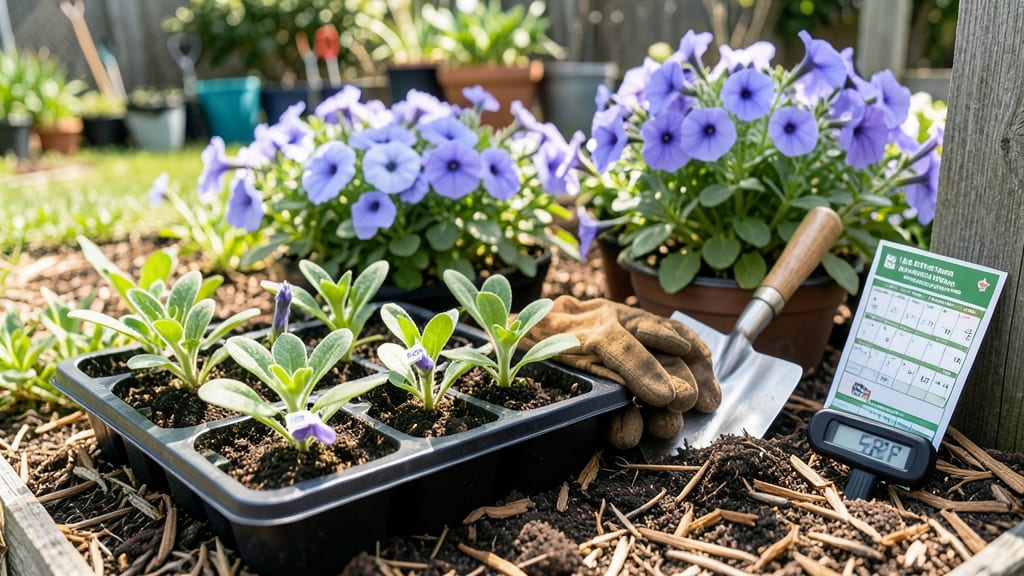
Waiting until it’s safe to plant flowers in Michigan can feel like a guessing game—one wrong move, and your hard work could freeze overnight. The truth is, timing isn’t just about dates; it’s about soil warmth, nighttime temperatures, and even which part of the state you’re in.
I’ve learned the hard way that planting too early in Zone 5b-6b can mean wilted petals by May, while waiting too long might leave your garden bare when summer arrives. The secret lies in knowing when your region’s soil hits 50°F and nighttime temps stay above 40°F consistently.
In this guide, I’ll break down the exact April 15–May 15 window that works for most Michigan gardeners, plus how to adjust for early or late springs. You’ll discover which frost-hardy flowers thrive in chilly soil and how to stretch your planting season with simple tricks.
Whether you’re a first-time gardener or a seasoned pro, these insights will help you avoid common mistakes and ensure your 🌸 flowers bloom stronger and longer. Let’s get your garden on the right track—starting with the perfect planting time.
Michigan frost-free dates by USDA hardiness Zone (2024 guide)
Michigan’s USDA hardiness zones range from 4a to 6b, creating big differences in last frost dates across the state. In Zone 4a (Upper Peninsula), gardeners often wait until May 15 to plant frost-sensitive flowers, while Zone 6b (southern Michigan) can safely plant by April 20.
These variations mean your flower planting timeline depends entirely on your location.
Understanding your local frost-free date is critical because even hardy annuals like pansies can suffer damage if planted too early.
Historical data shows Michigan’s average last frost ranges from April 15 in the south to May 20 in the north, but late frosts can push these dates back by 2-3 weeks—so always check weekly forecasts in spring.
| Zone | Avg Last Frost | Safe Planting Window | Annuals to Start Indoors | Perennials to Divide |
|---|---|---|---|---|
| 4a (UP) | May 15-20 | May 22-June 1 | March 15-April 1 | Early April |
| 4b (N. Lower) | May 5-10 | May 15-May 25 | March 1-April 15 | Mid-April |
| 5a (Central) | April 25-May 5 | May 10-May 20 | February 28-April 1 | Late March |
| 5b (S. Lower) | April 15-20 | April 25-May 10 | February 15-March 31 | Early April |
| 6a-6b (SE) | April 5-10 | April 15-April 25 | January 31-February 28 | Late February |
For Zone 6b gardeners in southern Michigan, late March is prime time to start tender annuals like petunias indoors, while Zone 4a gardeners should wait until mid-May for outdoor planting. Perennials like coneflowers can handle earlier planting, but annuals need warmer soil—aim for 50°F+ before setting them out.
Michigan’s frost-free timeline also affects succession planting.
In Zone 5b, you can plant cosmos in early June for late-summer blooms, while Zone 4a gardeners might miss this window entirely. Track local microclimates—urban areas often warm up faster than rural spots, giving you 1-2 extra weeks of planting time.
Don’t rely solely on average frost dates—historical data shows late frosts can occur as late as May 25 in northern Michigan. Use NOAA’s Frost Tracker or your local cooperative extension for real-time updates. Row covers can push your planting window back by 2-3 weeks in early spring.
If you’re in Zone 6b and eager to plant heat-loving flowers like zinnias, start seeds indoors by February 15 to ensure they’re ready for late April transplanting. Cold-hardy annuals like sweet peas can even handle Zone 4a
Best flowers to plant by Michigan’s frost timeline (cold-hardy vs. heat-loving)
Michigan’s frost dates can shift by weeks, but knowing which flowers thrive in cold soil versus those that need warmth gives you a clear advantage. I’ve planted everything from pansies to zinnias in my Zone 5b garden, and these are the varieties that consistently deliver vibrant blooms—without the frost bite.
The key is matching your planting window to each flower’s tolerance. Some, like sweet peas, handle chilly soil temperatures as low as 40°F, while others, like geraniums, need soil to warm to 60°F before they’ll even sprout.
Let’s break it down by your frost timeline so you can plant with confidence.
🌱 When to Plant Flowers in Michigan: Frost-Tolerant Timeline
- Early Spring (March–April): Plant cold-hardy annuals like pansies, sweet peas, and snapdragons 4–6 weeks before last frost (soil temp: 40–50°F). These handle light frosts and even bloom in cool weather.
- Mid-Spring (April 15–May 15): Wait until soil reaches 50°F+ for heat-loving flowers like petunias, marigolds, and zinnias. This aligns with Michigan’s average last frost date (Zone 5b: ~April 25; Zone 6b: ~May 5).
- Late Summer (July–August): Extend your season with cosmos, sunflowers, and black-eyed Susans. These thrive in warm soil and handle brief autumn frosts if planted after July 15.
- Perennials (April–May): Plant coneflowers, lavender, and bee balm as soon as soil is workable (50°F+). They establish roots slowly but reward you with years of blooms.
- Pro Tip: Use row covers to plant 2 weeks earlier for heat-loving flowers in Zone 5b, or wait until May 15 in colder microclimates.
For Zone 5b gardeners (most of Michigan), aim to plant heat-loving annuals by May 1 to avoid stunted growth. I’ve seen marigolds planted in April wilt when a late frost hits, while the same variety thrives when started after the last frost.
Test your soil with a thermometer—if it’s below 50°F, wait!
If you’re in Zone 6b (southern Michigan), you can push your timeline slightly earlier. Petunias and geraniums often tolerate soil temps of 55°F+, so you might get away with planting them by April 20. Just keep an eye on the 10-day forecast for cold snaps.
Don’t overlook late-summer bloomers like cosmos and zinnias. These heat-tolerant flowers can handle soil temps up to 85°F and even thrive in partial shade if planted after July 1. They’re perfect for filling gaps left by early-season flowers.
For perennials, prioritize coneflowers, black-eyed Susans, and Russian sage. These drought-tolerant plants establish roots quickly in 50°F soil and bounce back from frost. I’ve seen coneflowers survive 28°F nights once established—just plant them early in April.