
Flowers
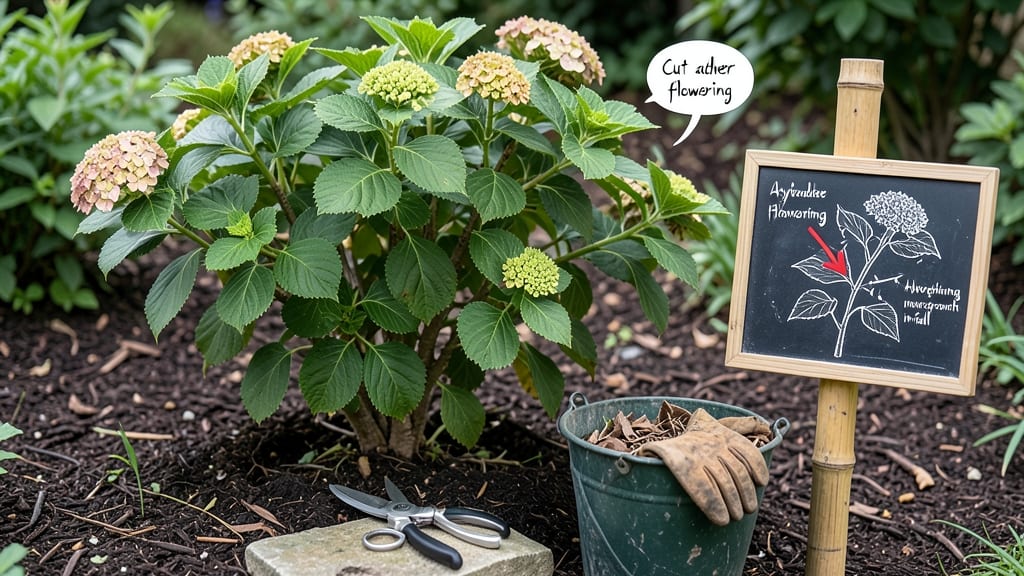
Cutting hydrangea flowers off at the wrong time can mean the difference between a lush, blooming bush next year and a sad, sparse shrub. The key isn’t just when you prune—it’s understanding your specific hydrangea type, because mophead and lacecap varieties demand totally different timing.
Get this wrong, and you might accidentally trim off next summer’s show-stopping blooms before they even form.
Most gardeners wait until late winter or early spring, but that’s only half the story. For some hydrangeas, the best time to prune is after they’ve finished blooming in summer, while others need a clean cut in dormant season to encourage fresh growth.
Confusing? Don’t worry—I’ll break down the exact signals to watch for, like bud formation or leaf drop, so you never guess again.
Even in USDA Zone 6a, where frost can sneak up on you, timing matters. A late prune risks exposing tender stems to cold snaps, while an early cut might miss the window for optimal regrowth.
The good news? With the right approach, you’ll not only protect your 🌸 hydrangea but also set it up for bigger, healthier blooms than ever before.
Ready to master the art of pruning? I’ll walk you through step-by-step, from the sharpest tools to make clean cuts to the seasonal triggers that tell you it’s finally time. Let’s turn your hydrangea into a year-round star—starting with the perfect prune.
Pruning deadheading hydrangeas by bloom type: when and how to cut for maximum blooms
Hydrangeas are the stars of summer gardens, but their pruning schedule can make or break next year’s blooms. The key? Understanding your hydrangea type and cutting at the right time. Some varieties bloom on old wood (last year’s growth), while others rely on new wood (this year’s stems).
Get this wrong, and you might end up with a bush full of leaves but no flowers.
I’ve pruned hundreds of hydrangeas over the years, and the biggest mistake gardeners make is treating all hydrangeas the same. Mophead and lacecap types need gentle winter pruning, while panicle and oakleaf varieties thrive with a harder cut in late winter.
Let’s break down the exact timing and techniques for each type to ensure your hydrangeas put on their best show.
Timing is everything—prune too early, and you risk frost damage to new growth. Prune too late, and you might remove next year’s flower buds before they form. Below is a side-by-side guide to help you decide when to cut hydrangea flowers off based on your plant’s bloom type.
| Hydrangea Type | Bloom Time | Best Pruning Time | What to Cut | Why |
|---|---|---|---|---|
| Mophead (e.g., 'Endless Summer') | Summer (June-August) | Late winter (Feb-March) OR right after blooming (August-September) | Deadhead spent blooms OR prune 1/3 of oldest stems | Encourages new buds on old wood |
| Lacecap (e.g., 'Limelight') | Summer (June-August) | Late winter (Feb-March) | Prune 1/3 of oldest stems | Preserves flower buds on old wood |
| Panicle (e.g., 'Limelight', 'Little Lime') | Late summer (August-September) | Late winter (Feb-March) | Cut back 1/3 to 1/2 of plant | Blooms on new wood; encourages bushier growth |
| Oakleaf (e.g., 'Snow Queen') | Summer (June-August) | Late winter (Feb-March) | Prune 1/3 of oldest stems | Blooms on old wood; retains foliage for winter interest |
| Smooth (e.g., 'Annabelle') | Summer (June-August) | Late winter (Feb-March) | Cut back to ground level | Blooms on new wood; rejuvenates plant |
For mophead and lacecap hydrangeas, I recommend a two-step approach: light pruning in late winter to shape the plant and deadheading spent blooms in late summer to encourage new growth. This method works wonders for 'Endless Summer' varieties, which can bloom on both old and new wood.
Always cut just above a leaf bud or pair of leaves to promote healthy regrowth.
If you have panicle or smooth hydrangeas, don’t hesitate to get aggressive in late winter. These types bloom on new wood, so cutting back harder (up to half the plant) will stimulate bushier growth and larger blooms in summer.
Just be sure to prune before new buds form—typically in February or early March in most climates.
One mistake I see often is pruning oakleaf hydrangeas too late. These beauties bloom on old wood and need their pruning done before buds swell in early spring. If you wait until after blooming, you risk removing next year’s flowers entirely. Pro tip: Mark your calendar for late winter pr
5 Critical mistakes to avoid when pruning hydrangeas (and how to fix them)
One of the biggest mistakes I see gardeners make is pruning hydrangeas at the wrong time of year. For example, cutting back mophead hydrangeas in late summer removes next year’s flower buds, which form on old wood.
Meanwhile, panicle hydrangeas need summer pruning to encourage new growth—but timing it wrong can leave your plant looking ragged. Always check your hydrangea’s bloom type first before reaching for the shears.
Another common error is over-pruning, which weakens the plant and reduces flowering. I’ve seen gardeners trim back hydrangeas by more than one-third of their height, only to watch their blooms shrink dramatically.
Hydrangeas thrive on balanced pruning—never remove more than 25-30% of the plant’s structure in a single session. Think of it as giving your shrub a haircut, not a buzz cut!
Here’s the callout warning you need to know before cutting hydrangea flowers off:
Cutting at the wrong angle is another silent killer of hydrangeas. I’ve noticed many gardeners make jagged cuts instead of clean, sloped ones just above a bud or leaf node. This invites disease and weakens the stem.
Always use sharp pruners to make a 45-degree cut, about ¼ inch above a bud facing outward. This ensures new growth emerges in the right direction and reduces the risk of infection.
Ignoring disease signs after pruning is a mistake that can turn your hydrangea into a sad, wilted mess. If you see yellowing leaves or blackened stems after cutting, your tools might have spread bacteria. Always sterilize pruners with rubbing alcohol between cuts, and avoid pruning when the plant is wet.
Hydrangeas are prone to powdery mildew and leaf spot, so keep the area around your plant clean and well-aerated.
One final blunder is pruning without a plan. I’ve seen gardeners hack away at hydrangeas without considering the plant’s shape or growth habits. Before you start, sketch a rough outline of how you want your hydrangea to look.
Focus on opening up the center to improve airflow and sunlight penetration. Remove dead, crossing, or weak stems first, then thin out the rest to create a balanced, bushy shape.
By avoiding these 5 critical mistakes, your hydrangeas will reward you with healthier growth and more abundant blooms next season. Remember: timing, technique, and tools are your best friends when pruning. Happy gardening! ✂️🌸