
Flowers
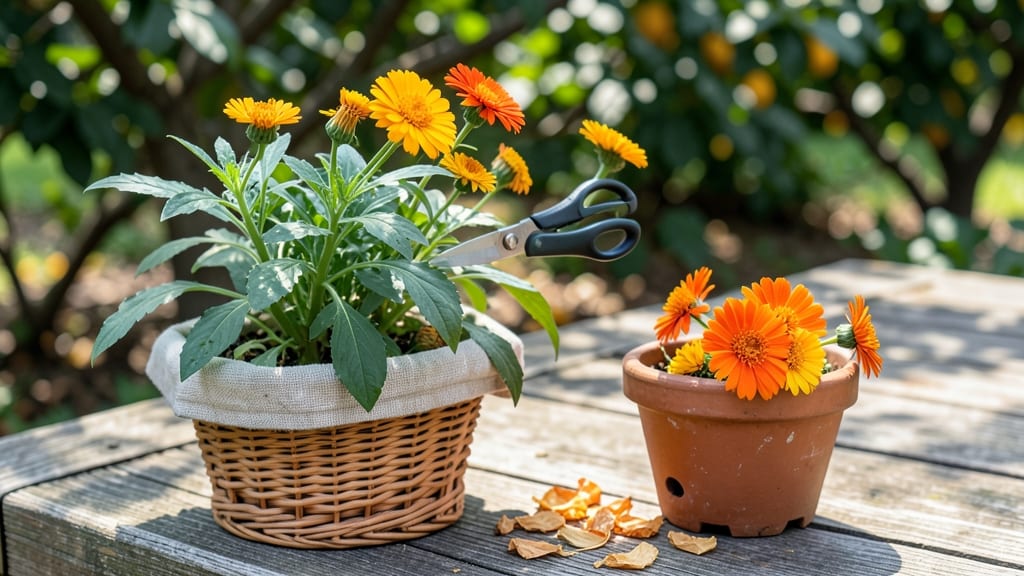
Timing your harvest of calendula flowers is the key to unlocking their full medicinal power and vibrant beauty—but one wrong cut can turn golden blooms into bitter disappointment.
Picture this: you’ve nurtured your 🌼 calendula all season, and now the moment of truth arrives. How do you know when those petals are at their peak? The answer lies in a simple color shift test that reveals potency and flavor.
Whether you’re growing in USDA Zone 6a or further south, mastering this trick ensures your harvest is always worth the effort.
Most gardeners wait until flowers are fully open, but that’s only half the story. The real secret is watching for that subtle shift from pale yellow to deep orange—when the magic happens.
I’ll show you exactly what to look for, plus the best time of day to harvest for maximum shelf life and therapeutic benefits.
Skip this step, and you might end up with weak tea, dull salves, or flowers that fade too quickly.
Let’s dive into the science and simple checks that guarantee your calendula harvest stays fresh, potent, and ready for whatever you have in mind—whether that’s healing salves, vibrant bouquets, or culinary magic.


How to identify the perfect harvest time using petal color shifts
Timing your calendula harvest correctly ensures maximum potency and flavor. The secret lies in watching for subtle petal color shifts from pale yellow to rich golden-orange. These changes signal peak maturity—when the medicinal compounds are at their highest concentration.
Start observing your calendula blooms daily once they begin opening. The first visible shift from creamy white to vibrant yellow marks the beginning of the harvest window. This transition happens about 2-3 days before peak harvest readiness.
Here’s how to use the petal color shift test to pinpoint the ideal moment:
| Stage | Petal Color | Center Condition | Harvest Readiness |
|---|---|---|---|
| Early Bloom | Pale yellow/white | Green and moist | Not ready |
| Mid Bloom | Bright yellow | Drying slightly | Harvest soon |
| Peak Harvest | Deep golden-orange | Dry and papery | Perfect time! |
| Overripe | Fading brown | Crumbly | Too late |
Pay close attention to the center of the bloom. At peak harvest, it should be completely dry and papery, with no moisture remaining. This dryness indicates the oils and resins have fully developed—key for medicinal infusions and culinary uses.
Another key indicator is the stem firmness. When ready for harvest, the stem should feel slightly woody but still flexible. If it snaps easily, the flower may be overripe. Use your fingers to gently press the stem—it should bend without breaking.
Harvesting in the early morning is ideal because the dew hasn’t evaporated yet. This keeps the petals fresh and vibrant longer. Cut stems with clean pruning shears at a 45-degree angle, leaving about 2-3 inches of stem attached for drying.
For continuous blooms, pinch off spent flowers regularly. This encourages your calendula plants to produce new buds, extending your harvest season by several weeks. Just remember: never harvest more than 1/3 of the plant at once to avoid stressing it.
If you’re growing calendula for seeds, wait until the petals have fully fallen off and the seed pods turn brown. This usually happens 2-3 weeks after peak bloom. Collect seeds when they’re completely dry to ensure high germination rates.
Pro tip: Place harvested calendula flowers in a paper bag with a few holes for air circulation. This prevents moisture buildup and speeds up the drying process while preserving their color and potency.
Best practices for harvesting calendula to preserve potency and yield
Once you’ve mastered the petal color shift test, the next critical step is harvesting your calendula with techniques that preserve their medicinal potency. The way you cut and handle these flowers directly impacts their shelf life and therapeutic value.
For example, harvesting at the wrong time of day or with dirty tools can introduce contaminants that ruin your entire batch.
Weather plays a surprisingly big role too. Harvesting on overcast days or right after rain can lead to moldy petals, while hot afternoons cause flowers to wilt faster. I’ve learned the hard way that timing isn’t just about the plant—it’s about the environmental conditions too.
The ideal window is a cool morning after any dew has dried but before the sun intensifies.
Here’s my harvesting checklist that guarantees maximum yield and potency:
Harvesting calendula too early means underdeveloped medicinal compounds, while waiting too late leads to bitter, crumbly petals. The 3-day window between bright yellow and deep orange is your golden harvest period. Miss it, and you’ll compromise both flavor and potency.
🌱 Pro Tip: Always harvest when 70-80% of petals have reached deep orange—this balances yield and quality.
After cutting, the drying process becomes just as critical. I recommend using hanging bundles in a dark, well-ventilated space with temperatures between 70-85°F. Avoid direct sunlight during drying—it can bleach the petals and degrade their antioxidant properties.
A simple paper bag method works wonders: place stems in a brown paper bag with holes punched in the sides. This traps heat while allowing airflow, speeding up drying by 30% compared to air-drying alone.
Storage is where many gardeners make their final mistake. Moisture is the enemy of long-term calendula preservation. Once completely dry (when petals crumble easily), store your flowers in airtight glass jars away from light. I’ve kept calendula this way for up to 2 years without losing potency.
For culinary uses, dried petals can be ground into a vibrant powder—just be sure to store them separately from medicinal batches to avoid contamination.
One technique I’ve perfected is the "second harvest" method for seed collection. After the main flower harvest, allow some blooms to fully mature and drop. The resulting seed pods contain higher concentrations of calendula oil than fresh petals.
Collect these seeds when they’re completely brown and dry, then cold-press them for an extra yield of healing oil.
Remember: every cut should be intentional. Whether you’re harvesting for medicinal salves, culinary garnishes, or beautiful dried arrangements, these practices ensure your efforts pay off with maximum potency and yield.
The difference between a mediocre harvest and a showstopping one often comes down to these small but critical details.