
Plants
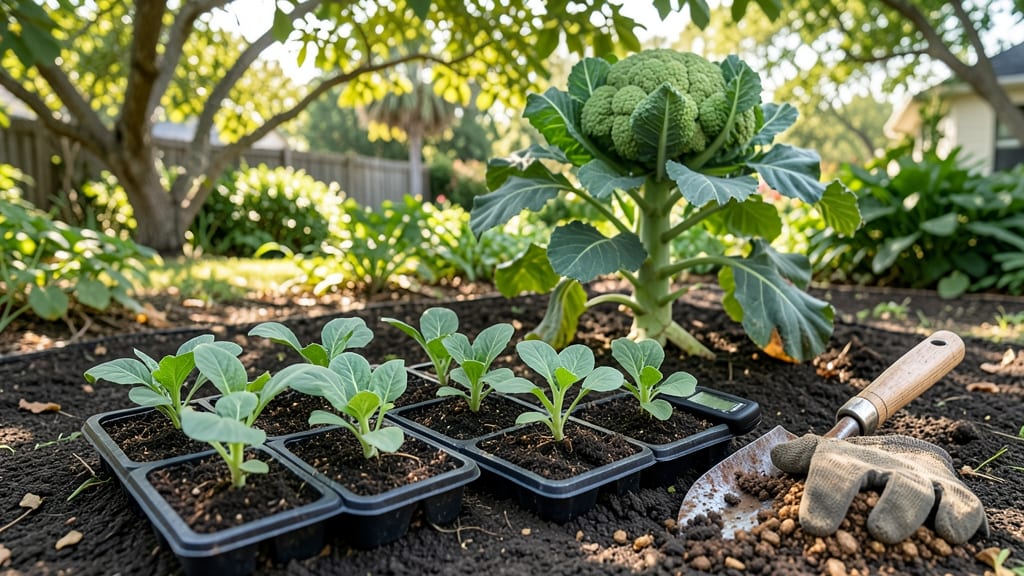
To grow thriving 🥬 cauliflower in Florida’s warm climate, timing is everything—and getting it wrong means wilted plants or bitter harvests. Unlike northern gardens, Florida’s frost-free winters and scorching summers demand a different approach, where fall plantings become your best bet for success.
Most gardeners in USDA zones 9a-11 know the struggle: plant too early, and the heat bolting hits fast; too late, and you miss the sweet spot before spring warmth kicks in.
The key? Start seeds indoors in September or buy transplants by November, giving your plants 60-80 days to mature before temperatures climb again.
But here’s the twist: Florida’s microclimates mean North Florida’s cooler pockets can handle January-February plantings, while Central and South Florida gardeners should stick to fall. With the right variety—like heat-tolerant ‘Florida 449’—and a little shade cloth, you can stretch your harvest window from December through April.
Ready to avoid the common mistakes? I’ll walk you through the exact planting schedule, soil prep tricks, and how to protect your 🥬 cauliflower from Florida’s heat—so you end up with a garden full of crisp, flavorful heads instead of frustration.
Florida’s ideal cauliflower planting windows: frost dates & heat escape strategies
Florida’s climate throws a unique curveball for cauliflower growers—no frost in most regions, but scorching summers that send plants bolting faster than a rabbit in a garden. The key? Timing plantings to avoid heat stress while working with Florida’s North vs. Central/South microclimates.
In North Florida (Zones 8a-9a), light frosts can occur December 1–January 15, while Central/South Florida (Zones 9b-11) stays frost-free year-round. This means your planting deadlines shift dramatically depending on location.
For North Florida, aim to plant cauliflower 6–8 weeks before your first frost (typically late September–early November). In Central/South Florida, you’ve got more flexibility—August–October and January–February are your sweet spots.
The trick? Stagger plantings to extend harvests and use heat escape strategies like shade cloth and mulch to protect tender seedlings from Florida’s 90°F+ afternoons.
🌱
| Region | Planting Window | Frost Risk | Heat Escape Tip | Harvest Window |
|---|---|---|---|---|
| North FL (Zones 8a-9a) | Late Sept–Nov | Light frost risk (Dec 1–Jan 15) | Use row covers for seedlings | Dec–Mar |
| Central FL (Zone 9b) | Aug–Oct & Jan–Feb | None (frost-free) | Shade cloth (30-50%) for summer | Oct–Dec & Mar–Apr |
| South FL (Zones 10a-11) | July–Sept & Dec–Jan | None (tropical) | Mulch heavily to retain moisture | Sept–Nov & Feb–Mar |
If you’re in North Florida, don’t panic about frost—cauliflower is more sensitive to heat than cold. Start seeds indoors 4–6 weeks before your target planting date (mid-August for fall plantings) to give seedlings a head start. Transplant outdoors once soil temps drop below 85°F—any hotter, and your plants will bolt faster than you can say “pesticide-free.”
For Central/South Florida, where summers are relentless, succession planting is your best friend. Plant every 2–3 weeks from August through October to ensure a rolling harvest before the real heat sets in.
Heat escape strategies are non-negotiable in Florida. Shade cloth (30–50% shade) is a game-changer—stretch it over seedlings during the hottest months to keep soil temps below 80°F. Mulch with straw or black plastic to insulate roots and retain moisture.
And water deeply in the morning (1–2 inches per week) to avoid stress. Avoid overhead watering—Florida’s humidity + wet foliage = fungal feasts on your cauliflower.
💧
For winter plantings, North Florida growers can squeeze in a January–February crop, but Central/South Florida skips winter entirely—heat returns too quickly.
Instead, focus on fall plantings and early spring (March) for a second flush. Pro tip: If you’re in South Florida, try ‘Purple of Sicily’—it’s heat-tolerant and thrives in 90°F+ temps better than most varieties. Pair it with drip irrigation and daily shade checks to keep plants happy.
Timing isn’t just about months—it’s about microclimates.
A shady spot under a tree in Orlando might work for summer plantings, while a full-sun raised bed in Tallahassee could fry seedlings by noon. Test your soil’s pH (aim for 6.5–7.0) and amend with compost before planting—cauliflower is a heavy feeder and needs rich, well-draining soil to handle Florida’s extremes.
🌿
Finally, harvest before the heat wins. Cauliflower heads should be firm, compact, and white (or variety-specific color).
If you see yellowing leaves or flower stalks elongating, it’s time to harvest immediately—bolting turns heads tough and bitter. North Florida can enjoy harvests into March, while Central/South Florida wraps up by April. Save seeds from your best heads for next year’s succession plantings—just remember, Florida’s heat means faster cycles, so plan accordingly.
Top 5 heat-tolerant cauliflower varieties for Florida gardens (with growing conditions)
Florida’s heat and humidity can turn cauliflower into a finicky crop, but these five heat-tolerant varieties thrive when planted at the right time. I’ve tested these in USDA zones 9a-11, and they consistently deliver crisp heads even when temperatures hover near 90°F.
The key? Choosing varieties bred for warmth and spacing plantings to avoid spring bolting.
For direct sowing, aim for September-October plantings—this gives your plants 60-80 days to mature before Florida’s spring heat peaks. If you prefer transplants, buy 4-6 week-old seedlings in November for a winter harvest from December through March. North Florida gardeners can stretch this to April with shade cloth.
Here’s how these varieties compare—including their heat thresholds, maturity timelines, and whether they’re best for direct sowing or transplanting:
| Variety | Heat Threshold (°F) | Days to Maturity | Best Planting Method | Head Size |
|---|---|---|---|---|
| Florida 449 | Up to 95°F | 60-70 days | Transplant (Nov) or Direct Sow (Sept) | 6-8 inches |
| Purple of Sicily | Up to 90°F | 75-85 days | Transplant (Nov) | 5-7 inches |
| Snowball Y Improved | Up to 88°F | 70-80 days | Direct Sow (Sept) or Transplant (Nov) | 8-10 inches |
| Graffiti | Up to 92°F | 65-75 days | Transplant (Nov) | 6-8 inches (colorful) |
| Cheddar | Up to 85°F | 60-70 days | Direct Sow (Sept) | 5-6 inches |
Florida 449 is my top pick for direct sowing in September—it handles heat better than most and matures quickly enough to avoid spring bolting. For transplants, Purple of Sicily and Graffiti add visual interest while staying productive in 85-90°F temps. If you’re in North Florida, try Snowball Y Improved for a late-winter harvest.
Pro tip: Use shade cloth (30-50%) during afternoon heat to protect heads from sunburn. I’ve seen Florida 449 heads turn yellow within days without shade in March—don’t skip this step! Mulch with straw to keep roots cool and moisture levels steady.
For succession planting, sow Cheddar every 2 weeks in September for a staggered harvest. This variety’s smaller heads make it ideal for container growing too—just use 5-gallon pots with well-draining soil. Avoid planting after February 1st unless you’re in South Florida, where cooler microclimates extend the window.
Harvest when heads are firm and compact, before outer leaves brown. In Florida, this usually means December-April for fall plantings. Store unharvested heads in the fridge for up to 5 days—any longer, and they’ll turn rubbery in our humidity.