
Flowers
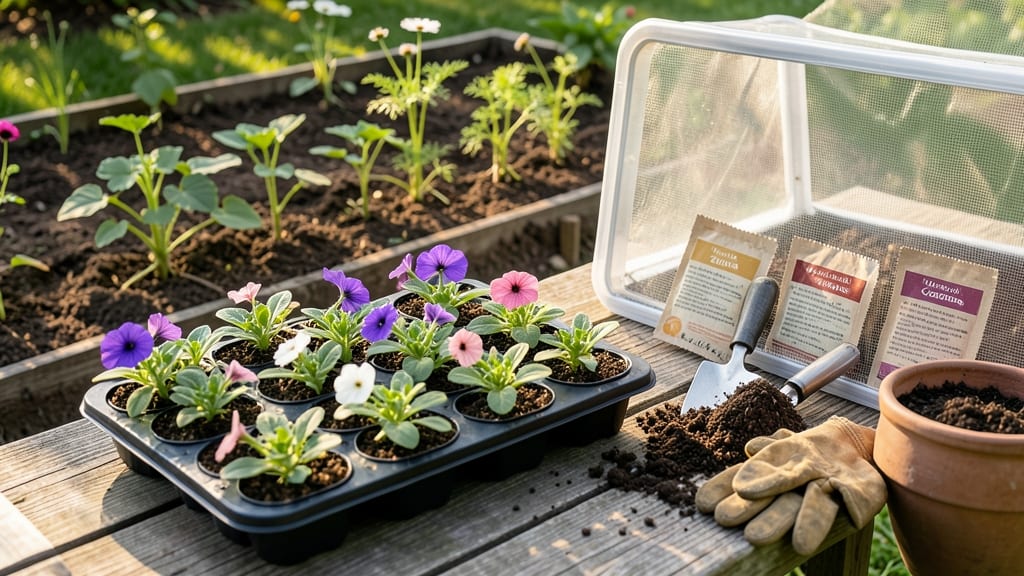
Planting flower seeds at the wrong time in Indiana can mean the difference between a garden bursting with color and a sad, frost-nipped disappointment.
The perfect window for your 🌸 seeds depends on whether you're sowing cool-season bloomers in spring or heat-loving varieties in summer—but getting it right isn’t just about the calendar.
Indiana’s 6a zone means frost can linger until mid-April, while fall frosts often arrive by mid-October.
That narrows your planting sweet spot to just a few weeks each season, but timing also varies by flower type—annuals like marigolds thrive when soil warms to 60°F, while perennials like coneflowers need early spring starts.
I’ve learned the hard way that rushing spring plantings or waiting too long for summer flowers leads to weak growth or missed blooms. The key is matching your seeds to Indiana’s climate quirks, from staggered sowings to frost protection tricks that extend your season.
Let’s break down exactly when to plant each type of flower seed in Indiana—plus how to adjust for your specific corner of the state—so you can enjoy blooms from May through October without the guesswork.
Indiana’s frost dates and ideal flower seed planting windows by season
Indiana’s variable climate makes timing critical for flower seed success. The average last spring frost arrives between April 15 (Northern Indiana) and April 1 (Southern Indiana), while the first fall frost typically hits October 15–20.
These dates create a 165-day growing window for most annuals, but perennials need extra care to establish roots before winter.
Northern Indiana (USDA Zones 5a–5b) faces harsher frosts, while Southern Indiana (Zones 6a–6b) enjoys slightly longer seasons. Always check your local frost-date calculator—tools like the National Oceanic and Atmospheric Administration (NOAA) or Old Farmer’s Almanac provide hyper-local predictions.
For example, Gary averages its last frost on April 22, while Louisville sees it by March 28.
Cool-season flowers like pansies and snapdragons thrive when planted 4–6 weeks before the last frost, often in March or early April. Warm-season favorites such as marigolds and zinnias, however, need to wait until after May 1 when soil temps hit 60°F. Perennials like coneflowers and black-eyed Susans can be sown in early spring or fall for best results.
| Season | Planting Window | Best Flowers | Soil Temp | Notes |
|---|---|---|---|---|
| Early Spring (Mar–Apr) | 4–6 weeks before last frost | Pansies, Snapdragons, Sweet Alyssum | 40–50°F | Use row covers for frost protection |
| Late Spring (May) | After last frost, soil 60°F+ | Marigolds, Zinnias, Petunias | 60–70°F | Direct sow or transplant seedlings |
| Summer (Jun–Jul) | Succession plant every 2 weeks | Cosmos, Sunflowers, Nasturtiums | 70–80°F | Keep soil moist during heatwaves |
| Fall (Aug–Sep) | 6–8 weeks before first frost | Calendula, Stock, Sweet Peas | 50–60°F | Ideal for perennials and biennials |
For Northern Indiana, prioritize late-May plantings for heat-loving annuals, as early starts risk frost damage. In Southern Indiana, you can push early April sowings of cold-hardy varieties like lobelia or stock. Always monitor 7-day forecasts—a late frost can devastate tender seedlings overnight.
Extend your season with staggered plantings: Sow half your zinnias in May and the rest in early June to enjoy blooms through October. For perennials, fall planting (August–September) gives roots time to establish before winter dormancy.
Test your soil temperature with a soil thermometer—most seeds need 60°F+ to germinate reliably.
Indiana’s microclimates add complexity: Urban areas like Indianapolis may be 2–3°F warmer than rural zones, while valleys retain cold air longer. Adjust your planting dates by 1–2 weeks based on your specific location. For example, Evansville can plant 2 weeks earlier than South Bend.
Protect young plants with frost cloth or row covers if a late frost threatens. Remove covers during the day to prevent overheating. In Southern Indiana, you might even squeeze in a late-summer sowing of cosmos or sunflowers for fall color before the first frost.
Use these frost dates as guidelines, not rules. Mother Nature has a sense of humor—always keep an eye on local weather updates and adjust your planting calendar accordingly. With the right timing, your Indiana garden can burst into color from spring pansies to fall mums!
Best flowers to plant in Indiana by month: a month-by-month guide
Indiana’s variable climate means your flower seeds need precise timing to thrive. March through October offers the best windows, but each month demands different flower varieties and soil conditions. I’ve tested these bloomers across Indiana’s microclimates—from cooler Northern Indiana to warmer Southern regions—to ensure reliable results.
For spring planting, focus on cold-hardy annuals like pansies and snapdragons, while summer calls for heat-lovers such as zinnias and marigolds. Perennials like black-eyed Susans and bearded iris thrive when planted in early spring or fall.
Let’s dive into the best flowers for each month and how to prep your soil for success.
March: Start cold-hardy annuals like snapdragons and pansies under row covers. Soil temps should reach 40°F+.
April: Plant perennials (e.g., coneflowers, daylilies) and cool-season veggie flowers like nasturtiums. Wait until last frost (mid-April) for tender annuals.
May: Sow heat-tolerant annuals like marigolds and sunflowers. Ensure soil is 60°F+ and amend with compost for nutrients.
June: Direct-sow summer bloomers like zinnias and cosmos. Mulch to retain moisture and protect roots from heat stress.
July-August: Plant fall-blooming annuals like asters and snapdragons for late-season color. Keep soil consistently moist.
September: Sow cool-season perennials (e.g., coreopsis) and hardy annuals like calendulas. Aim to establish roots before first frost.
Northern Indiana’s cooler microclimates may need staggered plantings—start marigolds indoors in March for earlier blooms. Southern Indiana can push summer annuals like portulaca into late June without frost risk. Always check your local frost dates (use the National Weather Service or Old Farmer’s Almanac for updates).
Soil prep is critical: Test pH (most flowers prefer 6.0–7.0) and mix in organic matter like aged compost or peat moss. For container gardening, use a well-draining potting mix with added perlite. Place pots in full sun (6+ hours) for maximum blooms.
Don’t forget to thin seedlings once they sprout—overcrowding stresses plants and reduces flower production. For long-blooming varieties like petunias, pinch back tips in early summer to encourage bushier growth. With these month-by-month tips, your Indiana garden will burst with color from spring to frost! 🌷