
Flowers
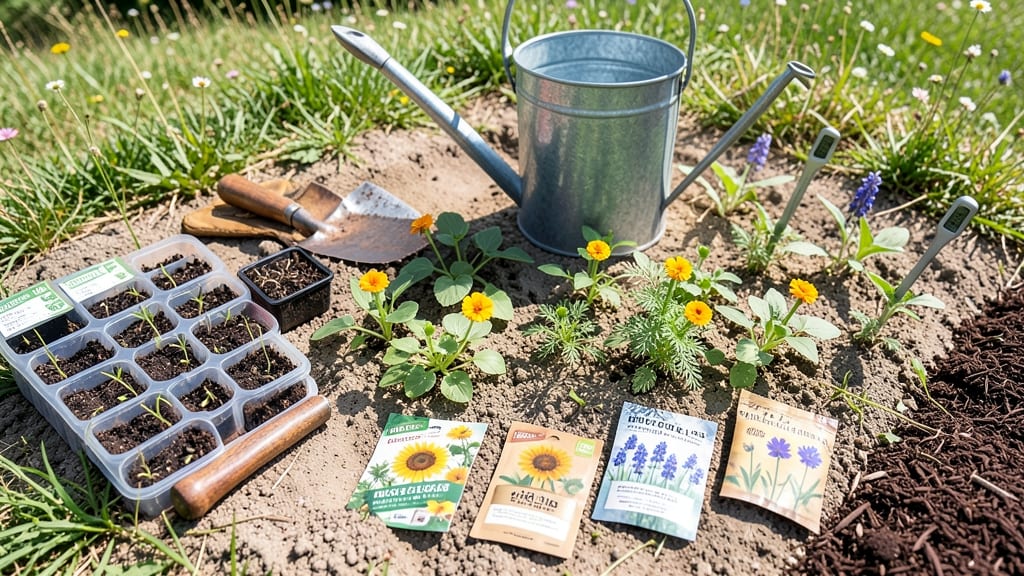
Planting flower seeds in Texas isn’t just about grabbing a packet and tossing it in the dirt—it’s a high-stakes game of timing that can mean the difference between a show-stopping garden and a sad, wilted disappointment.
With frost dates that shift wildly from North to South Texas, and summer heat that can turn seedlings into crispy snacks faster than you can say "zinnias," getting it right takes strategy.
I’ve spent years watching Texas gardens thrive (and fail) based on when those first seeds hit the soil. The key isn’t just following a generic calendar—it’s matching your flowers to your specific heat zone.
Whether you’re in Zone 8a where frosts linger into March or Zone 10b where winter barely slows things down, the right window can save you from lost blooms and wasted effort.
Here’s what you’ll discover: the exact months to plant for zero-frost success, how to cheat the system with succession planting, and which flowers actually stand a chance against Texas’ brutal summers. No more guessing—just a step-by-step guide tailored to your corner of the Lone Star State.
Ready to turn your patch of Texas dirt into a year-round floral masterpiece? Let’s dive into the planting windows that’ll make your neighbors green with envy.
Texas heat zones explained: the perfect planting windows by region
Texas stretches from USDA Zone 7a in the Panhandle to Zone 11a along the Gulf Coast, creating dramatic differences in planting windows. The 11 heat zones (A-I) help gardeners pinpoint when to sow seeds for annuals, perennials, and bulbs without risking frost or heat stress.
For example, Zone A (North Texas) has unpredictable springs, while Zone I (South Texas) can grow flowers year-round.
Understanding your heat zone ensures you plant zinnias in May (when North Texas soil warms) or pansies in October (to beat South Texas’ mild winters). Each zone’s frost-free dates dictate whether you start seeds indoors or sow directly outside. Let’s break down the key windows for your region.
📌 Key Rule: Always check your local frost dates (available via Texas A&M AgriLife), as microclimates can shift planting windows by 2-4 weeks. For instance, Dallas (Zone A) might have frost until March 15, while Houston (Zone H) rarely dips below freezing.
| Zone | Region | Last Frost | First Frost | Best Planting Window | Notes |
|---|---|---|---|---|---|
| A | North Texas (Panhandle, Amarillo) | Feb 15 | Nov 15 | Mar 15–Apr 30 (spring); Sep 1–Oct 15 (fall) | Unpredictable springs; use row covers. |
| B | North-Central (Dallas, Waco) | Mar 1 | Nov 20 | Mar 1–Apr 15 (spring); Sep 15–Oct 30 (fall) | Hot summers; prioritize drought-tolerant seeds. |
| C | Central (Austin, San Antonio) | Feb 28 | Dec 1 | Feb 15–Apr 1 (spring); Sep 1–Nov 1 (fall) | Mild winters; extend season with cold frames. |
| D | South-Central (College Station) | Jan 31 | Dec 15 | Jan 15–Mar 15 (spring); Aug 15–Oct 15 (fall) | Humid summers; improve drainage. |
| E | East Texas (Tyler, Beaumont) | Feb 1 | Dec 10 | Feb 1–Mar 30 (spring); Sep 1–Nov 1 (fall) | High humidity; choose disease-resistant varieties. |
| F | Gulf Coast (Corpus Christi) | Jan 1 | Dec 20 |
Best flowers to plant by Texas season (with frost-date hacks)Texas’ seasons don’t play by the rules—what’s perfect for North Texas in March might be too early for South Texas. The trick is knowing your frost dates and matching flowers to your heat zone. I’ve tested these timelines in my own garden, and they’ve saved me from countless frost-burned seedlings and heat-stressed blooms. For cool-season flowers like pansies and snapdragons, aim for 6-8 weeks before your last frost date. In Zone 8a, that’s early February; in Zone 10b, you can start as late as November. Meanwhile, heat-loving annuals like zinnias and lantanas need to hit the soil 2-3 weeks after your last frost—or they’ll bolt in the heat. 🌱 Your Texas Flower Planting Timeline
My top spring bloomers include petunias and geraniums, which thrive when sown 4-6 weeks before last frost. For summer heat, lantanas and portulacas are my go-tos—they’ll bloom even when temps hit 100°F. Just water deeply in the morning to prevent fungal issues. Fall is my favorite season for Texas gardening—mums and asters handle our mild winters beautifully. I start these 8-10 weeks before first frost in Zone 8a (early October) and 6-8 weeks before in Zone 10b (late September). The key? Well-draining soil and mulch to protect roots. Even winter gardening is possible in Texas! Pansies and snapdragons can handle light frosts, so I sow them 6-8 weeks before last frost in Zone 8a (February) or direct-sow in Zone 10b anytime. Just choose frost-resistant varieties like Ice Palace pansies. Pro tip: Use shade cloth for late spring seedlings if temps exceed 85°F. And always harden off indoor starts with gradual sun exposure. Your garden will thank you with longer blooms and healthier plants—no more sad, leggy seedlings! 🌼 |