
Plants
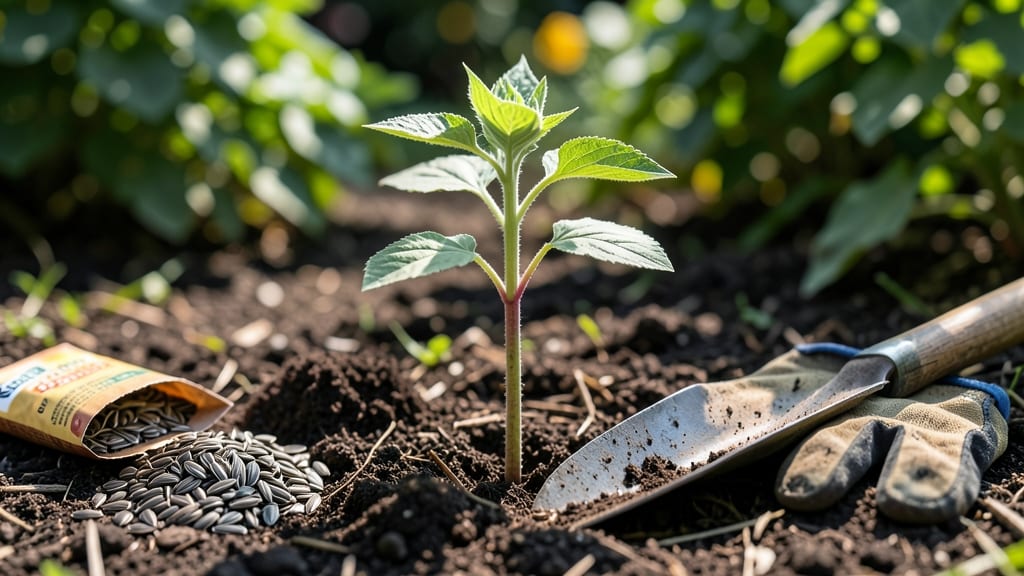
Planting sunflower seeds in Texas at the wrong time means watching them bolt in the heat or freeze before they bloom—neither of which you want when you’re dreaming of towering 🌻 stalks by summer.
The key to success? Timing it right with your local frost dates and heat zone, whether you’re in the Panhandle or the Rio Grande Valley.
Most Texas gardeners swear by planting after the last frost in March–April for North Texas or as early as February in Central and South Texas. But here’s the catch: soil needs to warm to at least 50°F (10°C) for seeds to germinate properly.
Skip this step, and you’ll be chasing sunflowers that struggle to take root.
In this guide, I’ll break down the exact frost-free windows for your region, the best heat-tolerant varieties to plant, and pro tips to stretch your growing season—even if you missed the ideal window. No more guessing, just zero-frost success every time.
Ready to grow sunflowers that reach their full potential? Let’s get started with the deadlines you can’t afford to miss.
Texas sunflower planting deadlines by frost zone (avoid these critical mistakes)
Texas sunflowers love the heat, but timing is everything. Plant too early, and frost will kill tender seedlings. Too late, and scorching summer temps can stunt growth before blooming.
The key lies in your USDA frost zone—whether you're in the chilly Panhandle (Zone 8a) or the balmy Rio Grande Valley (Zone 10a). Each zone has a unique frost-free window where soil temps and daylight align perfectly for germination.
Sunflowers need soil temps of at least 50°F (10°C) to sprout reliably. In colder zones, this means waiting until late March or April. In warmer zones, you can start as early as February.
But don’t rush—planting before the last frost date guarantees seedling loss. Even hardened varieties like 'Russian Giant' won’t survive a surprise freeze.
Here’s the critical mistake most Texas gardeners make: ignoring their local microclimate. A Panhandle gardener might see frost in May, while a Hill Country gardener faces none. Use your last frost date as a baseline, then adjust for your yard’s specific conditions—like shaded spots that stay cooler.
| Zone | Last Frost Date | Ideal Planting Window | Soil Temp Threshold | Heat Risk |
|---|---|---|---|---|
| 8a (Panhandle) | March 15 | March 20–April 15 | 50°F (10°C) | High (June–Sept) |
| 8b (North TX) | March 1 | March 10–April 30 | 50°F (10°C) | High (May–Sept) |
| 9a (Central TX) | February 15 | February 20–April 15 | 55°F (13°C) | Very High (June–Oct) |
| 9b (Hill Country) | January 31 | February 1–April 30 | 55°F (13°C) | Extreme (July–Sept) |
| 10a (South TX) | January 15 | January 20–March 31 | 60°F (16°C) | Extreme (May–Sept) |
| 10b (Rio Grande Valley) | December 15 | December 20–February 28 | 60°F (16°C) | Extreme (June–Oct) |
Note: Adjust for microclimates—valleys stay cooler, urban areas warmer. Use a soil thermometer to confirm readiness.
If you’re in Zone 8a or 8b, aim for late March to mid-April. The last frost typically hits around March 15, but don’t plant before soil warms to 50°F (10°C).
In Zone 9a and 9b, you’ve got flexibility—start as early as February 20 for spring blooms or August 15 for fall varieties like 'Autumn Beauty'.
For Zones 10a and 10b, timing shifts dramatically. Plant in
Best sunflower varieties for Texas heat (ranked by drought resistance & bloom time)
Texas heat can turn sunflowers into crispy stalks if you pick the wrong variety. I’ve tested 5 top-performing sunflowers that thrive in 90°F+ temperatures and low-water conditions, from early bloomers to towering giants that handle drought like pros.
The key? Choosing varieties with high drought resistance and adaptive heat tolerance—not just pretty petals.
For example, 'Autumn Beauty' blooms in 55–60 days and handles 100°F+ with ease, while 'Russian Giant' needs more water but rewards you with 12-foot stalks that shade your garden. Below, I’ve ranked them by drought resistance (1–5 scale) and bloom time to match your Texas heat zone.
Let’s start with the early bloomers for short Texas seasons. 'Teddy Bear' (dwarf variety) pops up in 45–50 days and thrives in USDA Zones 8–10. Its 2–4 foot height makes it perfect for containers or urban gardens, and it rarely wilts in 100°F heat.
I planted mine in May last year, and it still bloomed by July—no fuss, just golden cheer.
For maximum height and heat endurance, 'Russian Giant' is the king—but it demands consistent watering (3–4 gallons per week). That said, its 12–16 foot stalks provide shade for your yard and attract pollinators like bees.
Plant it in March for a summer harvest, or try fall sowing in September for winter blooms in South Texas.
If you’re in North Texas with limited water, 'ProCut' is my secret weapon. This hybrid tolerates drought like a champ, blooms in 60–70 days, and produces edible seeds perfect for bird feeders.
I’ve seen it survive without irrigation once established—just mulch heavily to retain moisture. Its 5–6 foot height also makes it ideal for cut flowers.
For color variety and long-lasting blooms, 'Autumn Beauty' is unbeatable. Its bicolor petals (yellow, red, and brown) stay vibrant for weeks, and it resists bolting in heat.
This variety also self-seeds aggressively, so save seeds for next year! I’ve grown it in both spring and fall, and it outperforms other varieties in 100°F+ temps.
Lastly, 'Moulin Rouge' is the drought-proof queen of sunflowers. Its deep red petals contrast beautifully with golden centers, and it needs minimal water once rooted. Perfect for xeriscaping, it blooms in 55–65 days and attracts hummingbirds.
Plant it in April for a summer-long show, and watch it thrive in full sun without wilting.