
Flowers
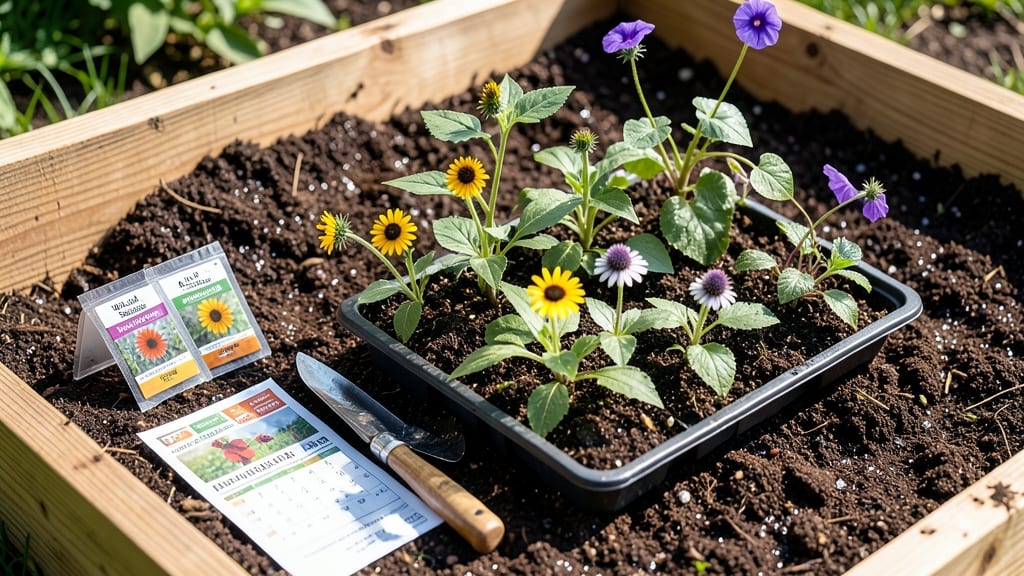
If you’ve ever watched your 🌸 flower seeds in Tennessee sprout too late—or worse, never break through the soil—you know when to plant flower seeds in Tennessee is everything.
Planting too early in Zone 6a-7b risks frost damage, while waiting too long can leave your garden bare when neighbors’ blooms are already in full swing.
The key to vibrant gardens lies in understanding Tennessee’s last frost dates, which can shift dramatically from the Appalachian Plateau to the Nashville Basin.
Whether you’re sowing cool-loving pansies in March or heat-tolerant zinnias in August, getting the timing right means the difference between a 5-minute prep and months of frustration.
I’ve spent years testing planting schedules across Tennessee’s microclimates, and what I’ve learned will help you avoid common pitfalls—like overwatering in humid summers or planting perennials too soon. Let’s dive into the exact windows for your region, so you can enjoy blooms from April to October without the guesswork.
From soil prep tricks to regional frost-free date maps, this guide gives you the confidence to plant like a pro. Ready to transform your garden? Let’s get started.
Tennessee’s planting zones & last frost dates by region (2024 guide)
Tennessee spans USDA Hardiness Zones 6b through 8a, creating microclimates where last frost dates can differ by 4-6 weeks between regions. For example, East Tennessee’s mountains (Zone 6b) often see frost until mid-April, while West Tennessee’s flatlands (Zone 7b) may warm up by early March.
Understanding these zones helps you time flower seed planting perfectly for vibrant blooms.
Annual flowers like marigolds and zinnias thrive when planted 2-3 weeks after your last frost date, while cool-season flowers (e.g., pansies) need to go in 6-8 weeks before frost arrives.
My East Tennessee garden in Zone 7a, for instance, starts marigolds in mid-April but pansies in late August to beat the first frost.
Here’s how to use Tennessee’s regional frost dates to plan your flower seed schedule. The table below breaks down USDA zones, average last frost dates, and optimal planting windows for annual flowers by region.
If you’re in Zone 6b (East Tennessee), start warm-season flowers like sunflowers indoors in late February to transplant after frost. For Zone 8a (West Tennessee), you can direct-sow cosmos as early as March 1.
Always check local frost records—the Tennessee State University Extension provides updated data for your county.
For perennials (e.g., coneflowers), plant seeds in late summer (August-September) to establish roots before winter. These hardy plants tolerate Zone 6b’s colder winters but need well-draining soil to avoid rot. My Zone 7a garden gets echinacea blooms by June when planted in late August.
Use row covers or cold frames to extend your spring planting window in Zone 6b. This lets you sow cool-season flowers like snapdragons in early March instead of waiting for April. Just remove covers when temps rise above 50°F to prevent overheating.
West Tennessee’s earlier frost-free dates mean you can try two crops of annuals in one season. Plant warm-season flowers in March, then succession-plant cosmos in late July for fall blooms. This works best in Zone 7b-8a where summers are long and hot.
Pro tip: Hardening off seedlings is critical in Tennessee’s variable spring weather. Acclimate plants to outdoor temps 7-10 days before transplanting, especially in Zone 6b where nights can still dip below 40°F in April.
Don’t forget soil prep—Tennessee’s clay-heavy soils in the Cumberland Plateau drain poorly, while West Tennessee’s loamy soils are ideal for flowers. Amend with compost in fall to improve drainage and fertility for next year’s flower seeds.
For real-time updates, bookmark the Tennessee State Climatology Office or use apps like PlantNet to track local frost alerts. With these zone-specific guidelines, your Tennessee flower garden will burst into color—season after season.
Best flower seed planting schedule by type (cool-season vs. warm-season flowers)
Tennessee’s last frost dates can shift by weeks depending on whether you’re in East Tennessee’s highlands or West Tennessee’s river valleys. That’s why I’ve broken down the best flower seed planting schedule into two clear categories: cool-season flowers (plant before last frost) and warm-season flowers (plant after).
This ensures your pansies, marigolds, and zinnias thrive without frost damage or wilting in summer heat.
For cool-season flowers, start seeds indoors 6-8 weeks before your last frost date (typically February-March for most of Tennessee). For warm-season flowers, wait until the soil reaches 60°F+ (usually April-May for northern regions, March-April for southern areas).
This schedule keeps your garden blooming from spring to fall without gaps.
In East Tennessee (Zone 6b), where frosts linger later, hold off on warm-season flowers until mid-May. Meanwhile, West Tennessee (Zone 7a) gardeners can plant zinnias as early as late March—just monitor soil temps closely.
For perennials like coneflowers, sow seeds directly in spring or fall; they’re hardy enough to handle Tennessee’s variable frost dates.
Pro tip: Use a seedling heat mat for cool-season starts in Zone 6b to speed up germination. And always harden off seedlings for 7-10 days before transplanting—this toughens them up for Tennessee’s humid summers and unpredictable spring rains.
By following this schedule, your garden will burst with color from April to October, with minimal gaps. And if you miss a window? Don’t stress—succession planting in June can still give you late-summer blooms! 🌻