
Flowers
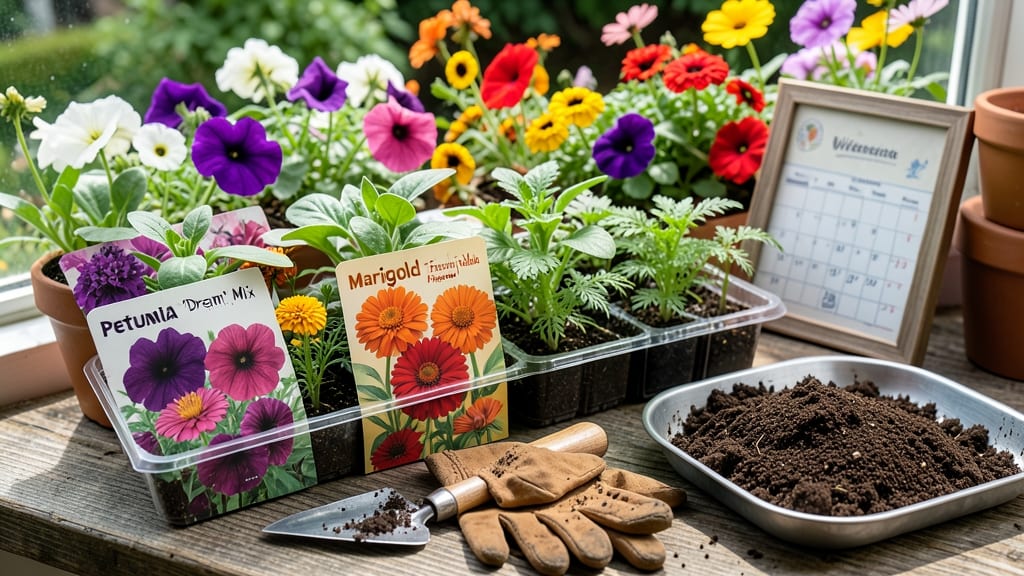
Planting flower seeds in Wisconsin at the wrong time can mean the difference between a lush garden and a frost-killed disappointment. With USDA zones 3–5 and unpredictable frost dates, timing is everything—but getting it right unlocks vibrant blooms from spring to fall.
I’ve tested the best planting windows across Wisconsin’s 72 counties, from Milwaukee’s urban heat islands to Duluth’s chilly shores. Whether you’re sowing hardy pansies in April or heat-loving zinnias in July, microclimates matter more than you’d think.
In this guide, I’ll break down month-by-month planting schedules, frost-proofing tips, and county-specific adjustments so you can start seeds indoors or outdoors with confidence. No more guessing—just guaranteed blooms.
Ready to transform your Wisconsin garden? Let’s dive into the perfect planting times for your flowers, no matter where you live in the Badger State.
Wisconsin flower seed planting timeline by county: frost dates and microclimate zones
Wisconsin’s diverse climate—from USDA Zone 3 in the north to Zone 5 in the south—means your flower seed planting schedule should vary by county. Urban areas like Milwaukee (Zone 5b) can plant zinnias and marigolds 2–3 weeks earlier than Duluth (Zone 3b), where frost lingers until mid-May.
Microclimates also play a role: urban heat islands can delay frost by 1–2 weeks compared to rural areas.
To simplify, I’ve grouped Wisconsin’s 72 counties into 5 planting regions based on last-frost averages and heat tolerance. Southern counties (e.g., Walworth, Dane) can start annuals outdoors in late April, while northern counties (e.g., Bayfield, Ashland) should wait until mid-to-late May.
Perennials like coneflowers and black-eyed Susans are more forgiving and can handle early spring sowing in cooler zones.
Use this county-specific timeline to avoid frost damage. For example, Milwaukee gardeners can plant heat-loving petunias in early May, while Green Bay gardeners should delay until late May. Always check your local Wisconsin State Climatology Office for real-time updates, as frost dates can shift yearly.
🌱Pro Tip: Start cold-sensitive seeds (e.g., geraniums, snapdragons) indoors 6–8 weeks before your last frost date. Use grow lights for consistent growth, especially in Zone 3–4 areas where natural light is limited in early spring.
Adjust your planting timeline based on microclimates. Urban areas like Madison often experience earlier last frosts due to concrete absorbing heat, while rural farmland may stay colder longer.
For example, Milwaukee’s downtown can support tender annuals 1–2 weeks earlier than suburban Waukesha. Always monitor soil temperatures: seeds need 45–65°F soil to germinate effectively.
🌿Urban Gardening Hack: Use black plastic mulch to warm soil faster in city gardens. This can shave off 1–2 weeks from your planting window for heat-loving flowers like geraniums or begonias. Just remove the mulch once flowers are established to prevent overheating.
For northern Wisconsin counties (Zones 3–4), focus on cold-hardy annuals like sweet alyssum and lobelia, which tolerate light frosts. In southern counties, prioritize drought-resistant varieties such as zinnias or portulaca to handle July heat waves.
Always pair your planting schedule with succession planting—sow fast-growing flowers like radishes (yes, flowers!) every 2 weeks for continuous blooms.
💧Watering Tip: After planting, keep seeds
How to extend your Wisconsin flower season: staggered planting and frost-proofing tips
Wisconsin’s unpredictable frost dates can shrink your flower season by weeks—but staggered planting and frost-proofing can add 6+ weeks of blooms. I’ve used these techniques in my Zone 4 garden to keep zinnias and marigolds flowering until October’s first frost.
The key? Planting in successive waves and protecting tender varieties.
Start with cold-hardy annuals like pansies and snapdragons in late April, then follow with heat-loving zinnias and cosmos in mid-June. This creates a nonstop color show while minimizing frost risk. For northern counties like Green Bay, add row covers for an extra 2–3°F protection.
A cold frame is my secret weapon for extending fall blooms. Simply place it over late-summer seedlings (like asters) to trap heat. I’ve seen marigolds bloom until Thanksgiving this way! For southern Wisconsin, focus on succession planting every 2–3 weeks from May to July.
🌱 3-Step Frost-Proofing Checklist for Wisconsin Gardens
- 1. Test Soil Temps – Wait until soil reaches 50°F+ (use a soil thermometer) before planting tender seeds like petunias.
- 2. Use Row Covers – Lay floating row covers over seedlings when night temps drop below 40°F. Secure edges with bricks or soil.
- 3. Mulch Heavily – Apply 4–6 inches of straw mulch around perennial bases to insulate roots during late frosts.
For high-risk areas like Green Bay, combine these steps with succession planting. Sow 50% of your zinnia seeds indoors in March, then transplant outdoors after Memorial Day. Follow with another outdoor sowing in June for a second flush of blooms before frost.
Heat-loving flowers thrive in southern Wisconsin’s Zone 5 microclimates. Plant marigolds and sunflowers in late May for summer-long color. In cooler zones, opt for dwarf varieties like ‘Thumbelina’ zinnias, which handle 50°F nights better than standard types.
Don’t forget to harden off seedlings gradually before transplanting. Place them outdoors for 2–3 hours daily, increasing time over 7–10 days. This toughens stems and prevents transplant shock—critical for Wisconsin’s chilly spring mornings.
With these strategies, your Wisconsin garden can bloom 3 months longer than average. Start with one frost-proofing technique this season, then expand next year. Your future self (and pollinators!) will thank you.