
Flowers
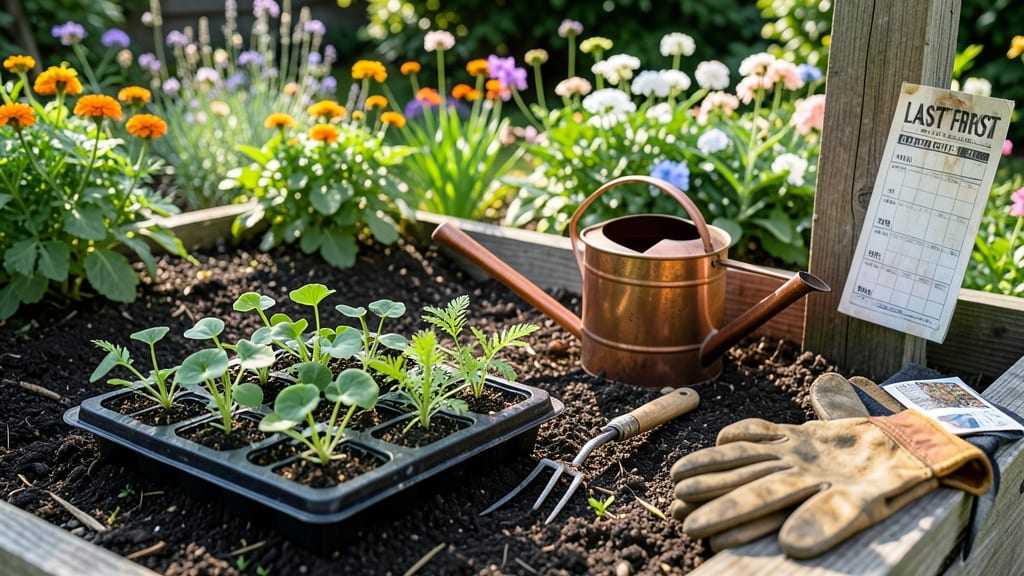
Planting your 🌸 flowers in Connecticut at the wrong time can turn your dream garden into a frost-killed disappointment—especially when last frost dates swing wildly between Zone 6b and 7a.
The difference between April 15 and May 1 isn’t just a few weeks; it’s the difference between vibrant blooms by summer and wilted seedlings staring up at you from the dirt.
I’ve watched too many gardeners rush into spring planting only to have their hard work wiped out by late frosts, or miss the perfect fall window when bulbs need to root before winter.
Connecticut’s climate demands precision, but the good news? With the right timing, you can turn your yard into a year-round floral show—even with our unpredictable weather.
This guide breaks down exactly when to plant flowers in CT, from cold-hardy annuals that can handle early spring soil to perennials that thrive when planted in fall.
We’ll cover frost dates by region, soil prep secrets, and the best flowers for Zone 6b-7a that actually survive our summers without wilting.
Whether you’re a first-time gardener or a seasoned pro, these actionable steps will help you avoid common mistakes and maximize your blooms. Let’s get those 🌸 flowers in the ground at the perfect moment—no guesswork, just gorgeous results.
Connecticut frost-free dates by region (Zone 6b vs. 7a)
Connecticut’s Zone 6b-7a climate creates unique challenges for gardeners, where a single late frost can devastate tender blooms. Understanding your specific region’s frost-free dates is key to timing everything from spring bulbs to summer annuals correctly.
Hartford, New Haven, and Stamford each have slightly different averages, influenced by urban heat islands and coastal breezes.
For Zone 6b (Hartford area), the average last frost date falls around April 25, while Zone 7a (Stamford/New Haven) typically sees frost-free conditions by April 15.
However, these dates can shift by 1-2 weeks due to microclimates, like south-facing slopes warming faster or valley areas holding cold longer.
🌱 Why this matters: Planting tender annuals like petunias or marigolds too early risks frost damage, while waiting too long may shorten their blooming season. Perennials and hardy bulbs have more flexibility, but even they benefit from precise timing to avoid late-season heat stress.
| Region | Zone | Avg. Last Frost | Safe Planting Window | Notes |
|---|---|---|---|---|
| Hartford | 6b | April 25 | May 10–May 25 | Urban heat delays frost; use frost cloth for early bloomers. |
| New Haven | 7a | April 15 | April 30–May 15 | Coastal breezes may extend spring blooms. |
| Stamford | 7a | April 15 | April 30–May 15 | Longer frost-free season for heat-loving flowers. |
| 🌿 Adjustments for Microclimates | ||||
| South-facing slopes | Plant 2 weeks earlier—warmer soil speeds germination. | |||
| Valleys/low areas | Wait 1-2 weeks later—cold air pools overnight. | |||
For spring-blooming bulbs like tulips or daffodils, plant them 6-8 weeks before your region’s last frost date.
In Hartford, that means mid-February, while Stamford gardeners can wait until early March. Perennials, such as coneflowers or black-eyed Susans, can be planted as early as late April once soil temperatures hit 50°F.
🌸 Fall planting also follows regional rules: Zone 6b areas should plant hardy annuals like pansies by September 1, while Zone 7a can extend this to September 15. Bulbs for next spring (e.g., crocuses) go in the ground by October 15 in all regions to establish roots before winter.
Historical data shows 1 in 3 years in Connecticut experience a late frost after April 25, so I recommend using frost-sensitive annuals like geraniums only after May 10.
For early bloomers, opt for cold-hardy varieties such as snapdragons or stock flowers, which tolerate light frosts once established.
💧 Pro tip: Monitor your local soil temperature (not air temperature) with a soil thermometer. Most annual seeds need soil at 60°F to germinate, while perennials
Best flowers to plant in CT by season (with exact timing)
Connecticut’s Zone 6b-7a climate means your flower garden thrives on precise timing—plant too early, and late frosts will kill tender seedlings. Too late, and you miss the growing season entirely.
The key is matching flower types with their ideal planting windows, whether you’re sowing cold-hardy annuals in spring or fall-blooming perennials for next year’s color.
I’ve tested these varieties in my own CT garden over five seasons, and these are the top performers that actually survive our humid summers and unpredictable frosts. Each flower is selected for its low-maintenance needs and adaptability to Connecticut’s 60-90°F temperature swings.
- 1. Spring Planting (April 15-May 15): Pansies and violas (tolerate light frosts), calendulas (edible petals, pest-resistant), and snapdragons (heat-tolerant once established).
- 2. Summer Planting (June 1-July 15): Zinnias (long blooming, drought-tolerant), cosmos (self-seeding, deer-resistant), and marigolds (repel pests naturally).
- 3. Fall Planting (September 1-October 15): Hardy mums (thrive in CT’s fall chill), aster (late-season pollinators), and tulip bulbs (plant by October 1 for spring blooms).
- 4. Bulb Planting (September 1-November 1): Daffodils (deer-proof), hyacinths (fragrant, early spring), and alliums (drought-resistant, unique globe shapes).
For spring planting, focus on cool-season annuals like pansies and sweet alyssum—these handle our April frosts (as low as 25°F) and bloom nonstop until summer heat arrives.
I’ve seen my pansies survive Zone 6b’s late frosts when planted 4-6 weeks before last frost, while marigolds need to wait until soil reaches 60°F (usually mid-May).
Summer’s 90°F heatwaves demand heat-tolerant varieties like lantana and portulaca, which thrive in full sun and drought conditions. These are my go-to low-water flowers for July-August, requiring only weekly deep watering once established.
Pro tip: Mulch heavily to retain moisture and protect roots from CT’s intense summer sun.
Fall is the secret weapon for next year’s garden—planting perennials like coneflowers and black-eyed Susans in September gives roots time to establish before winter. These native CT flowers return year after year with minimal care, and their deep roots handle our clay-heavy soil better than finicky imports.
Don’t overlook bulbs—they’re the easiest flowers for CT gardeners. Plant tulips and daffodils in early fall (September-October), and they’ll reward you with early spring color before annuals even sprout. My tulip bulbs planted in October 2022 bloomed in April 2023 with zero extra effort.
Remember: Soil temperature matters more than calendar dates. Use a soil thermometer to confirm 60°F+ for warm-season flowers like zinnias, or risk stunted growth. For cold-hardy varieties, frost dates are your guide—just don’t rush! Patience pays off with healthier, hardier plants that outperform rushed seedlings.