
Watering
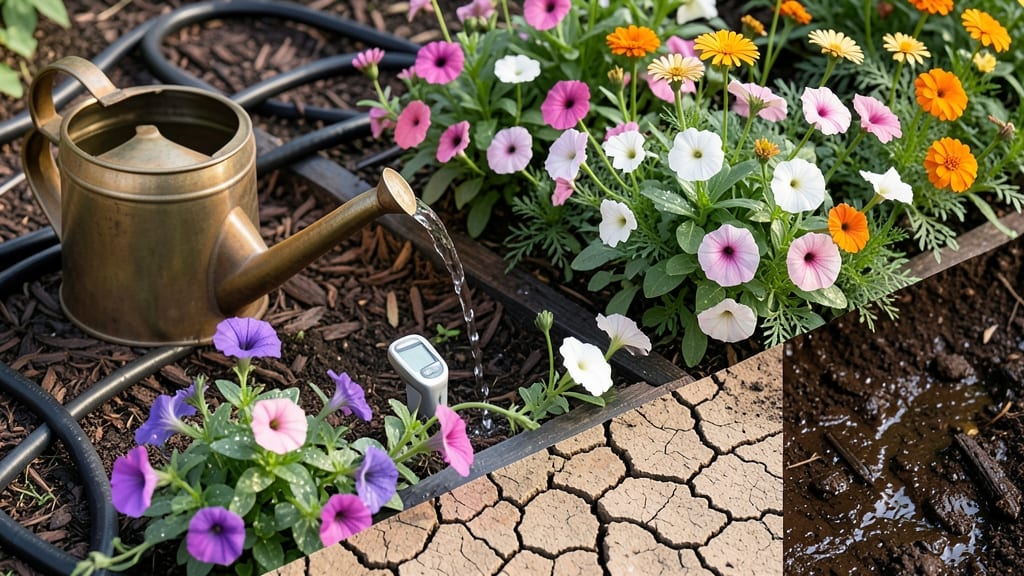
Should you water flowers every day? The answer might surprise you—because while it seems like the safest bet, daily watering could actually stunt their growth or even kill them. The truth is, most flowers don’t need daily hydration, and overwatering leads to root rot, mold, and weak stems that struggle to support blooms.
I’ve seen gardeners make this mistake time and time again, thinking more water equals happier plants. But the key is understanding your flowers’ specific needs—whether they’re drought-tolerant succulents or thirsty annuals—and adjusting based on your climate and soil type.
In this guide, I’ll break down the ideal watering schedule so you can avoid common pitfalls. You’ll learn how to tell if your flowers are getting too much (or too little) water, plus climate-specific tips to keep them thriving without guesswork.
Ready to water smarter? Let’s dive into the science-backed strategies that’ll keep your flowers blooming beautifully all season long.


How often should you water flowers based on plant type?
Watering flowers isn't a one-size-fits-all task—what works for drought-tolerant lavender will drown tropical hibiscus. The key is understanding your plants' root depth and water retention needs.
Most gardeners overwater because they assume more moisture equals happier blooms, but root rot from soggy soil kills more flowers than thirst does. Let's break down the science-backed watering schedules by flower category so you can give each type exactly what it needs.
First, check your soil moisture before watering—stick your finger 1-2 inches deep. If it feels dry, it's time to water. If it's damp, wait another day. This simple test prevents 90% of overwatering mistakes.
Remember, morning watering (before 10 AM) is ideal because it reduces evaporation and fungal risks. Now, let's dive into the specific needs of different flower types.
| Flower Type | Water Frequency | Depth | Seasonal Adjustments |
|---|---|---|---|
| Annuals (e.g., Petunias, Marigolds) | Every 1-2 days (daily in heat) | 1-2 inches deep | Reduce to every 3 days in fall |
| Perennials (e.g., Coneflowers, Black-Eyed Susans) | Every 2-3 days | 2-3 inches deep | Cut back to weekly in winter |
| Tropicals (e.g., Hibiscus, Orchids) | Every 1-2 days (keep soil moist) | 1-2 inches deep | Increase to daily in summer |
| Drought-Tolerant (e.g., Lavender, Succulents) | Every 7-10 days | 3-4 inches deep (soak deeply) | Skip watering if rain occurs |
| Bulbs (e.g., Tulips, Daffodils) | Every 5-7 days (after sprouting) | 1-2 inches deep | Reduce to monthly after blooming |
Annuals like petunias and marigolds need frequent watering because their shallow roots dry out quickly. Aim for 1-2 inches deep every 1-2 days during their growing season (spring to fall). In summer, you might need to water daily if temperatures exceed 90°F.
The trick is to water deeply rather than lightly—this encourages roots to grow downward, making plants more resilient.
Perennials such as coneflowers and black-eyed Susans are more drought-resistant once established. Water them every 2-3 days during their first year to help roots develop, then reduce to weekly once mature. These plants store water in their roots, so they can handle brief dry spells.
Always water at the base of the plant to avoid wetting the foliage, which can lead to fungal diseases.
Tropical flowers like hibiscus and orchids thrive in consistently moist soil. They mimic their native humid environments by needing water every 1-2 days. In summer, you may need to water daily, especially in containers where soil dries out faster.
Use well-draining potting mix to prevent root rot, and always empty saucers after watering to avoid stagnant water.
Drought-tolerant plants like lavender and succulents are the low-maintenance superstars of the garden. Water them every 7-10 days, soaking the soil deeply to encourage deep root growth. These plants store water in their leaves and stems, so frequent shallow watering can actually harm them.
In winter, reduce watering to every 3-4 weeks unless you're in a frost-free zone.
Bulbs like tulips and daffodils have unique watering needs. Before they sprout, they don’t need much water. Once they emerge, water every 5-7 days to encourage strong growth. After blooming, reduce watering to monthly to let the foliage die back naturally—this stores energy for next year’s flowers.
Never let bulb foliage turn yellow and die back before watering again.
Seasonal adjustments are critical. In spring, water lightly to encourage root growth without overwhelming new shoots. In summer, increase frequency to combat heat stress, especially for shallow-rooted annuals.
In fall, taper off watering to prepare perennials for dormancy. And in winter, most flowers need minimal water—just enough to prevent soil from freezing solid.
Pro tip: Use a moisture meter or the finger test to avoid guesswork. If your soil feels like a damp sponge, wait before watering again. Overwatering is the #1 killer of flowers, but with these guidelines, you’ll keep your garden thriving without wasting a drop.
Start with the right schedule for your plants, and adjust based on your local climate and soil type.
Remember, healthy roots = happy blooms. Whether you're nurturing delicate tropicals or hardy drought-tolerant perennials, the key is consistency and observation. Watch your plants, learn their signals, and you’ll master the art of watering like a pro. 🌸
Signs you're overwatering flowers (and how to fix it)
Even with the best intentions, overwatering flowers is a silent killer that often goes unnoticed until it's too late. Yellowing leaves, mushy stems, and fungal growth on soil are classic red flags that your flowers are drowning—not thriving.
I’ve seen gardeners water their prized blooms daily, only to watch them wither from root rot within weeks. The key is learning to read your plants' signals and adjusting your watering habits before damage sets in.
Most gardeners mistakenly believe flowers need constant moisture, but soggy soil cuts off oxygen to roots, leading to suffocation. Unlike drought stress, which causes crispy edges, overwatering creates a slimy, waterlogged environment that invites pests like slugs and fungus gnats.
Let’s explore the five most common signs your flowers are getting too much love—and how to fix it before it’s irreversible.
Watering Flowers Every Day? Think Again!
Daily watering is a common mistake that leads to root rot and fungal diseases. Most flowers only need water when the top 1-2 inches of soil feel dry. Use the finger test: Stick your finger into the soil—if it's damp, wait another day. Morning watering is best to prevent fungal growth from evening moisture.
💡 Pro Tip: Adjust your schedule based on plant type and season. Annuals like petunias may need daily water in summer heat, but perennials like coneflowers thrive on every 2-3 days.
First, watch for yellowing leaves that start at the bottom of the plant. Unlike nutrient deficiencies, overwatering causes leaves to turn yellow while remaining soft and mushy to the touch. This is your plant’s way of signaling root suffocation.
If you notice this, stop watering immediately and let the soil dry out completely for 2-3 days. Meanwhile, trim any severely affected leaves to redirect energy to healthier growth.
Another dead giveaway is mold or fungus growing on the soil surface or at the base of stems. This white, gray, or black fuzz isn’t just unsightly—it’s a fungal infection thriving in wet conditions.
To fix this, remove the top layer of contaminated soil and replace it with fresh, well-draining compost. Space out future waterings and ensure your garden has proper airflow by pruning nearby foliage that might be blocking sunlight.
Wilting despite wet soil is one of the most confusing signs of overwatering. Unlike thirsty plants that wilt from dryness, overwatered flowers appear limp and droopy even when the soil is saturated. This happens because roots can’t absorb oxygen in waterlogged conditions.
To revive them, improve drainage by adding perlite or coarse sand to the soil mix. For container plants, check for blocked drainage holes and repot if necessary with a mix designed for your flower type.
If you notice pests like slugs or fungus gnats suddenly invading your garden, your overwatering habits are likely to blame. These creatures thrive in damp, shaded environments created by excessive moisture. Set up beer traps for slugs and introduce beneficial nematodes to combat gnats.
Reduce watering frequency and water only at the base of plants to keep foliage dry, making your garden less appealing to pests.
To prevent future overwatering, invest in a soil moisture meter or use the squeeze test: Grab a handful of soil—if water drips out easily, it’s too wet. Adjust your schedule by watering deeply but infrequently, encouraging roots to grow downward where moisture is more stable.
Mulch around plants to retain moisture without creating a soggy layer, and always water in the early morning to allow foliage to dry before evening.
Remember, healthy flowers start with healthy roots. By recognizing these five red flags and adjusting your watering habits, you’ll create an environment where your blooms can thrive—not just survive. Start today by checking your soil moisture and giving your flowers the right amount of water they truly need. 🌷