
Flowers
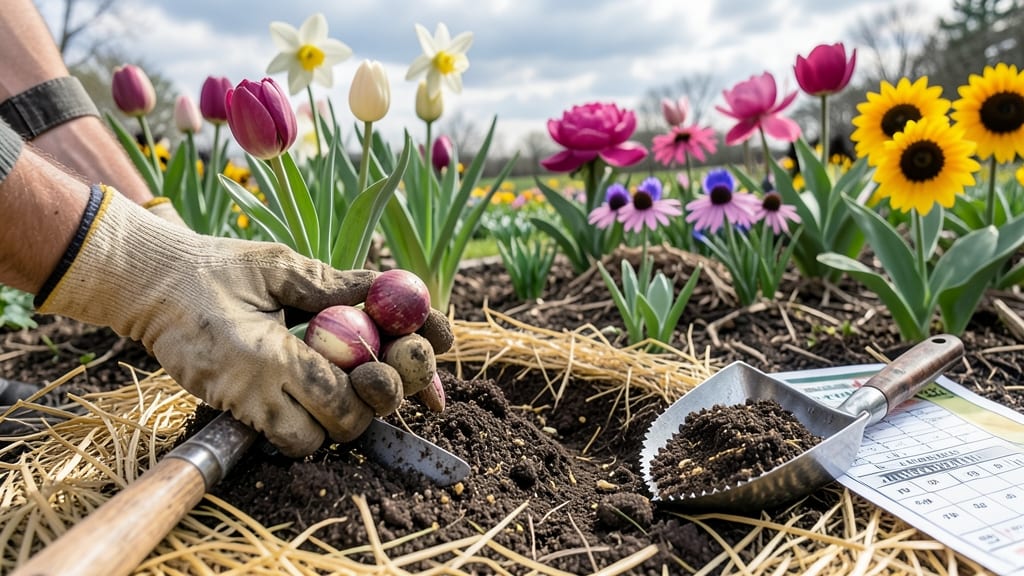
Planting your 🌸 flowers at the wrong time in Illinois can leave you with wilted dreams instead of vibrant blooms—especially when frost dates shift unpredictably across USDA zones 5a-6b.
Whether you're a first-time gardener or a seasoned pro, timing matters more than you might think, with the difference between a thriving garden and a season of disappointment often coming down to those critical weeks before and after the last frost.
Let me cut through the confusion: the best time to plant flowers in Illinois depends on whether you're sowing annuals, perennials, or bulbs—and whether you're in northern Chicago or southern Carbondale.
We're talking March to May for spring plantings, but there's a science to it, including how to adjust for late frosts that can sneak in even after the calendar says "spring."
What you'll discover here are the exact planting windows tailored to Illinois' climate, plus hardy flower varieties that actually thrive in your zone.
From black-eyed Susans to coneflowers, we'll cover the best blooms for beginners and how to prep your soil for success—because even the most beautiful flowers need the right foundation to take root.
Ready to transform your garden? I'll walk you through region-specific adjustments, container planting hacks, and even overwintering strategies for fall-planted varieties. Let's get those 🌸 flowers growing the right way—no guesswork, just gorgeous results.
Illinois flower planting calendar by hardiness zones (5-6a)
Getting your flowers planted at the right time in Illinois means accounting for hardiness zones 5-6a and unpredictable frost dates. Northern Illinois (zone 5) typically has last frost dates in mid-April, while southern Illinois (zone 6a) sees frost a week or two later.
This calendar aligns planting with soil temperatures, frost risks, and bloom cycles for annuals, perennials, and bulbs.
I’ve organized this guide by monthly windows, highlighting cold-hardy varieties for early planting and heat-tolerant picks for late-season color. Whether you’re in Chicago, Springfield, or Carbondale, these timelines help you avoid frost damage while maximizing bloom seasons.
For container gardens, adjust dates 1-2 weeks earlier since pots warm up faster. Perennials planted in fall (August-September) establish deeper roots for spring blooms, while annuals often start indoors 6-8 weeks before last frost.
| Month | Plant Type | Best Varieties | Notes |
|---|---|---|---|
| February | Bulbs | Tulips, Daffodils, Hyacinths | Plant in well-draining soil; mulch after planting. |
| March | Perennials | Coneflowers, Black-Eyed Susans, Lavender | Start hardy perennials in zone 5; wait until late March for zone 6a. |
| April | Annuals (Indoor Starts) | Marigolds, Petunias, Snapdragons | Transplant after last frost (mid-April in zone 5). |
| May | Heat-Loving Annuals | Zinnias, Sunflowers, Cosmos | Direct-sow after soil warms (60°F+). |
| August | Fall Perennials | Asters, Chrysanthemums, Russian Sage | Plant 6-8 weeks before first frost for fall blooms. |
| September | Bulbs (Fall) | Crocuses, Alliums, Snowdrops | Plant before ground freezes (zone 5 by late Sept). |
In March, focus on cold-hardy perennials like coneflowers (Echinacea) and black-eyed Susans (Rudbeckia), which thrive in zone 5’s chill. These drought-tolerant plants establish roots early and reward you with summer-long blooms.
For container gardens, opt for petunias or pansies, which handle cooler temps better than tropical annuals.
By April, shift to annuals like marigolds, which deter pests and bloom quickly. If frost lingers, use row covers to protect tender seedlings. Sunflowers and cosmos can wait until May when soil temperatures consistently stay above 60°F. These fast-growing flowers add height and color to borders.
Don’t overlook fall planting! August-September is ideal for perennials like asters, which bloom into early October. These late-season stars extend your garden’s life and attract pollinators. For bulbs, plant crocuses and snowdrops in September—they’ll surprise you with early spring blooms
How to adjust planting dates for Illinois’ frost risks
Illinois’ unpredictable frost dates can turn your carefully planned garden into a frosty disappointment if you’re not prepared.
In USDA zones 5-6a, late frosts—especially in Chicago (zone 5b) and Springfield (zone 5a)—can strike as late as mid-May, while southern Carbondale (zone 6a) sees fewer surprises after April 15. The key to success? Adjusting your planting timeline with cold-hardy varieties and protective strategies.
I’ve planted flowers in Illinois for over a decade, and I’ve learned that timing isn’t just about the calendar—it’s about microclimates and plant resilience. For example, black-eyed Susans and coneflowers can handle light frosts, while petunias and geraniums need warmer soil to thrive.
Let’s break down how to extend your growing season and protect young plants from Illinois’ infamous late frosts.
⚠️ Late Frost Warning
Illinois’ average last frost dates vary wildly:
- Chicago (Zone 5b): April 25 (but frosts can linger until May 10)
- Springfield (Zone 5a): April 15 (risk until May 5)
- Carbondale (Zone 6a): April 5 (rarely after April 20)
Pro Tip: Use row covers or cold frames to protect seedlings for 2-3 weeks after the "average" last frost date.
One of my favorite tricks to beat frost risks is using row covers or frost blankets—lightweight fabric that traps heat and shields plants from 28°F temperatures. I’ve saved entire beds of marigolds and zinnias by covering them at night during late April surprises.
For hardier perennials like daylilies or bearded iris, I plant them in early spring (March) when soil is workable, knowing they’ll bounce back from light frosts.
If you’re planting annuals like impatiens or begonias, wait until after May 10 in northern Illinois or after April 20 in southern regions. These tender plants won’t survive even a light frost, so patience pays off.
For bulbs like tulips, plant them in October or November—they’ll establish roots before winter and bloom reliably the following spring.
Another game-changer? Container gardening gives you control over planting dates. I move pots indoors or into a garage during cold snaps and bring them back out once temperatures stabilize. This works especially well for herbs like basil or flowers like pansies, which can handle cooler temps but not frost.
For fall planting, aim for late August to early September in zones 5-6a. Choose cold-hardy flowers like mums or asters, which can handle light frosts and even overwinter in mulched beds.
I’ve had Russian sage and sedum return year after year with minimal care—just a thick layer of straw mulch to insulate roots.
Remember: soil temperature matters more than air temperature. Use a soil thermometer to check when it’s safely above 50°F—this is your green light for planting warm-season flowers. And if Mother Nature throws a curveball? Be prepared to cover—your garden’s survival depends on it. 🌱