
Flowers
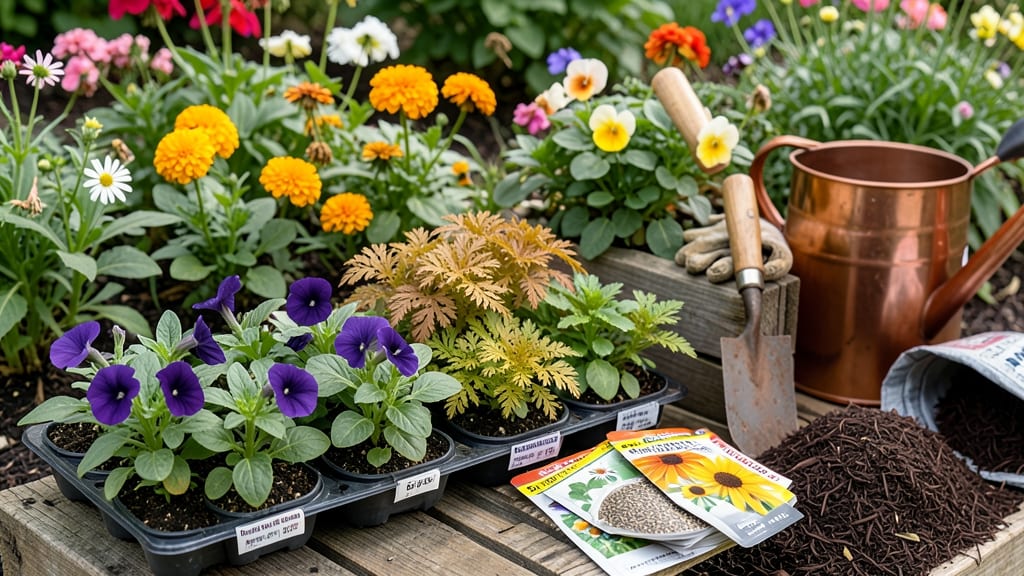
Timing your flower planting in Maryland can make the difference between a vibrant garden and a sad, frost-nipped disappointment. The key to success isn’t just throwing seeds in the dirt—it’s knowing when to plant flowers based on your USDA Zone and Maryland’s unpredictable spring weather.
In Zones 7a and 7b, most annuals like zinnias and marigolds need to wait until after the last frost date, typically mid-April, while perennials like daylilies can go in as early as March.
But rush it, and a late freeze could turn your blooms into mush. The good news? With the right timing, you’ll have continuous color from spring through fall.
I’ve tested these strategies in my own Maryland garden, and the results speak for themselves. Whether you’re planting for spring color or fall blooms, this guide will help you avoid common mistakes and get the most out of your 🌸 flowers—no guesswork required.
Ready to transform your yard? Let’s break down the exact planting windows, frost-free tricks, and the best flowers for each season so you can enjoy a garden that thrives all year.
Maryland’s frost-free dates by Zone: exact planting windows for annuals & perennials
Maryland’s USDA Zones 7a and 7b experience distinct frost patterns that dictate your planting windows. Northern Maryland (Zone 7a) typically sees its last frost around April 15th, while southern Maryland (Zone 7b) warms up 1-2 weeks earlier.
These dates separate the difference between thriving blooms and frost-nipped failures for annuals like petunias and perennials like daylilies.
Understanding these zones helps you choose heat-tolerant varieties for summer and cold-hardy flowers for spring. For example, zinnias thrive in Zone 7b’s longer heat, while pansies handle Zone 7a’s cooler springs. Microclimates—like urban heat islands or sheltered valleys—can shift these dates by 1-3 weeks, so always check local records.
🌱 Key Takeaway: Plant annuals after May 1st in Zone 7a and April 15th in Zone 7b to avoid frost damage. Perennials can go in as early as March 15th for Zone 7b or April 1st for Zone 7a, giving roots time to establish before summer heat arrives.
| Zone & Location | Avg. Last Frost | Ideal Planting Window | Best Annuals | Cold-Hardy Perennials |
|---|---|---|---|---|
| Zone 7a (Northern MD: Baltimore, Frederick) | April 15 | May 1 - May 15 | Petunias, Marigolds, Snapdragons | Coneflowers, Black-Eyed Susans |
| Zone 7b (Southern MD: Annapolis, Washington DC) | April 1 | April 15 - April 30 | Zinnias, Lantana, Cosmos | Daylilies, Bee Balm, Shasta Daisies |
| Microclimate Adjustments | ±1-3 weeks | Shift dates based on shelter/heat | Heat-tolerant: Portulaca, Vinca | Cold-tolerant: Pansies, Violas |
For Zone 7a gardeners, wait until after May 1st to plant heat-loving annuals like zinnias or marigolds. These varieties need consistent warmth to germinate and thrive.
Meanwhile, Zone 7b’s earlier frost-free date lets you start cosmos and lantana as early as mid-April, giving them a head start for summer blooms.
If you’re in a microclimate with delayed frosts—like a low-lying area—push planting back by 1-2 weeks. Conversely, urban areas with heat islands may allow earlier plantings. Always monitor local forecasts and use frost cloths for late-season protection if needed.
Perennials like coneflowers and black-eyed Susans can handle Maryland’s spring frosts if planted in early spring (March-April). These hardy plants establish roots before summer heat arrives. For annuals, focus on post-May plantings to ensure they don’t get nipped by late frosts.
Pro tip: Use succession planting for annuals like marigolds or zinnias. Start a second batch in late June to extend your blooms into early fall. This works especially well in Zone 7b, where summers are longer and hotter.
For bulbs like tulips or daffodils, plant in fall (October-November) to ensure they bloom early next spring. These cold-hardy varieties need a period of chill to trigger flowering, making them perfect for Maryland’s climate.
Remember, soil temperature matters too! Wait until the soil reaches at least 60°F before planting seeds or young plants. Use a soil thermometer to check—cool soil can delay germination and stunt growth.
By following these zone-specific planting windows, you’ll maximize your garden’s potential and enjoy longer, healthier blooms all season long. Happy gardening! 🌸
Best flowers to plant in Maryland by season: a month-by-month guide
Maryland’s four distinct seasons create perfect opportunities for seasonal blooms, but timing is everything. In Zone 7a and 7b, you can enjoy continuous color by planting the right flowers at the right time.
Spring brings cool-weather annuals, summer delivers heat-loving blooms, and fall offers hardy perennials that thrive before winter. Let’s break down the best flowers to plant each month, along with companion planting tips to maximize your garden’s potential.
For spring planting (March-May), focus on cool-season annuals that tolerate light frosts. These include pansies, snapdragons, and sweet alyssum, which bloom early and add vibrant color to your garden.
In Zone 7b, you can start planting as early as mid-March, while Zone 7a gardeners should wait until late March or early April to avoid frost damage. Pair these with perennials like bleeding hearts or lungwort for long-lasting beauty.
🌱 Numbered Highlights: When to Plant Flowers in Maryland
Summer (June-August) is the time to introduce heat-tolerant annuals that thrive in Maryland’s humidity. Lantana, cosmos, and zinnias are top choices, offering bright blooms and long-lasting color. These plants also attract butterflies and bees, making your garden a pollinator paradise.
For perennials, focus on coneflowers, black-eyed Susans, and bee balm, which establish roots in spring and bloom all summer long.
Fall (September-November) is ideal for planting perennials and bulbs that will reward you with spring blooms. Mums, asters, and goldenrod add late-season color, while tulips and daffodils planted in fall will burst into bloom next spring.
Don’t forget winter-hardy flowers like hellebores and snowdrops, which provide early color and tolerate Maryland’s cold winters. These plants also suppress weeds and improve soil health.
Even in winter (December-February), you can add interest with evergreen perennials like ornamental grasses, hellebores, and winter jasmine. These plants offer structure and texture when other flowers are dormant.
Use this time to plan your garden layout, amend soil, and order seeds for spring planting. With the right seasonal combinations, your Maryland garden can stay vibrant year-round.
For companion planting success, pair flowers with pollinator-friendly varieties like lavender, butterfly weed, and bee balm. These not only attract beneficial insects but also repel pests like aphids and whiteflies.
For example, planting marigolds near tomatoes deters nematodes, while nasturtiums improve the flavor of nearby herbs. With these strategies, your garden will thrive with minimal maintenance and maximum beauty.