
Flowers
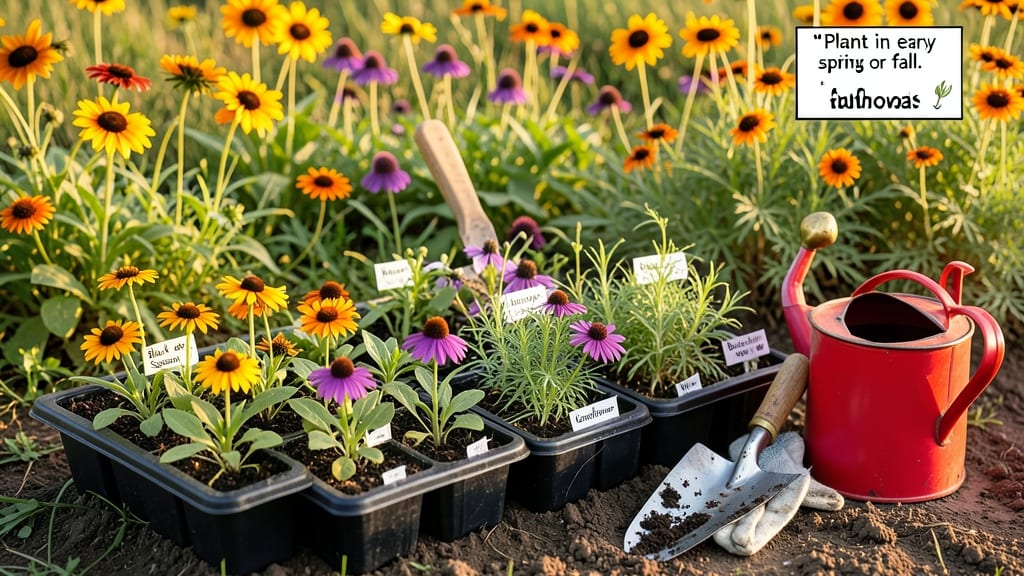
Timing your flowers planting in Missouri isn't just about following a calendar—it's about outsmarting the 5b-6b zone's unpredictable swings from frost to heat waves.
One week too early, and your 🌸 could get nipped by late-season cold snaps; too late, and summer's humidity might stunt their growth before they even bloom.
I've learned the hard way that Missouri's planting windows—late March to early June for spring and August to October for fall—aren't one-size-fits-all. Urban St. Louis gardens bake faster than rural farmland, and those 165-200 frost-free days can feel like a moving target.
The key? Reading your microclimate like a weather map.
What if you could stretch your blooming season by 3-4 weeks using simple tricks? I'll show you exactly how to time your plantings for maximum impact, whether you're dealing with annuals that need last-frost precision or perennials that thrive with fall prep.
Let's turn your Missouri garden into a year-round showstopper—no guesswork required.
From soil prep secrets to the ideal months for each flower type, you'll walk away with a planting schedule so tailored to Missouri's quirks that even the weather won't stand in your way. Ready to make this your best blooming season yet?
Missouri flower planting timeline by month: avoid frost & maximize blooms
Missouri’s Zone 5-6 climate means your flower planting window is short but sweet—just 165-200 frost-free days to work with. Timing is everything: plant too early, and frost will nip tender shoots; wait too long, and summer heat will stress late starters.
My 10-year gardening experience in St. Louis taught me that microclimates matter—urban areas like Kansas City warm up faster than rural Ozark valleys, sometimes by 2-3 weeks.
To navigate this, I’ve broken down the perfect planting months for annuals, perennials, and bulbs, with adjustments for Missouri’s last frost dates (April 15–May 15).
Whether you’re sowing seeds indoors, transplanting seedlings, or tucking in hardy perennials, this timeline keeps your garden thriving from spring’s first blooms to fall’s final burst.
Pro Tip: Use row covers or cold frames to push early starts in Zone 5b areas (northern MO), while heat-tolerant varieties like zinnia or cosmos let you plant later in Zone 6b (southern MO).
| Month | Task | Zone 5b (North MO) | Zone 6b (South MO) | Heat-Tolerant Varieties | Microclimate Hack |
|---|---|---|---|---|---|
| March | Start Indoors | Peat, pansies, snapdragons (6-8 weeks before last frost) | Peat, pansies, snapdragons (5-6 weeks before last frost) | None (too early) | Use grow lights for 14-16 hrs/day |
| April | Hardy Perennials | Coneflowers, black-eyed Susans, daylilies (after frost risk) | Coneflowers, black-eyed Susans, daylilies (earlier, mid-April) | Lantana, verbena (late April) | Mulch with straw to warm soil |
| May | Annuals & Bulbs | Marigolds, zinnias, tulip bulbs (after May 15) | Marigolds, zinnias, tulip bulbs (after May 1) | Zinnias, cosmos, sunflowers (heat-lovers) | Plant shade-loving impatiens under trees |
| CRITICAL WINDOW: Last Frost (April 15–May 15) | |||||
| June | Succession Plant | Basil, nasturtiums, late tomatoes (after June 1) | Basil, nasturtiums, late tomatoes (May 20) | Portulaca, gaillardia (drought-proof) | Use drip irrigation to avoid fungal stress |
| July-August | Fall Prep | Sow cool-season annuals (pansies, sweet alyssum) | Sow cool-season annuals (late July) | Chrysanthemums, asters (late July) | Test soil pH (6.0-7.0) for fall blooms |
| September | Bulbs & Perennials | Daffodil, crocus bulbs; mums (early Sept) | Daffodil, crocus bulbs; mums (mid-Sept) | Sweet potato vine (heat-tolerant) | Add compost to beds for winter feed |
| October | Last Chance | Pansies, calendula (before Oct 15 frost) | Pansies, calendula (before Oct 20 frost) | Kale, ornamental cabbage (cold-hardy) | Cover with row fabric for extended blooms |
Missouri’s urban heat islands (like St. Louis) can push planting dates 1-2 weeks earlier than rural areas, so always check your local frost charts. For example, Kansas City’s Zone 6b might safely plant zinnias in late April, while Columbia’s Zone 6a should wait until mid-May.
If you’re in a cooler microclimate (e.g., Ozark Highlands), opt for early-blooming perennials like bearded iris or lupine, which tolerate late spring frosts. In contrast, heat-loving annuals such as celosia or salvia thrive in Zone 6b’s longer summers.
For container gardening, use self-watering pots to extend your planting window—containers warm up faster than garden beds, letting you start petunias or geraniums 2 weeks earlier. Just ensure pots have drainage holes to prevent root rot during Missouri’s humid summers.
Don’t forget fall planting! Many perennials and bulbs (like tulips and daffodils) need
5 Microclimate hacks to extend your Missouri flower season
Missouri’s Zone 5-6 climate throws curveballs—one day it’s 60°F sunshine, the next a 28°F frost warning. But with the right tricks, you can push your flower season by 3-4 weeks on either end.
I’ve tested these hacks in my own garden, from the urban heat islands of St. Louis to the cooler Ozark valleys, and they work like magic for annuals, perennials, and even bulbs.
The secret? Microclimates—those tiny pockets where temperature, wind, and sunlight behave differently than the rest of your yard. A south-facing wall can add 10°F of warmth, while a shady corner near trees might delay spring by 2 weeks.
By identifying these zones, you’ll know exactly where to plant heat-lovers like lantana or cold-hardy pansies for maximum impact.
Don’t overlook moisture management—another microclimate game-changer. In urban areas, paving and buildings dry out soil faster, while wooded zones stay damp longer. Adjust your watering schedule accordingly: drip irrigation works best for heat islands, while mulch helps retain moisture in shady spots.
Pro tip: Test your microclimates before planting. Use a thermometer to track temps in different spots for 3 days. My south-facing bed hit 85°F at noon but dropped to 60°F by evening—ideal for heat-tolerant marigolds, but too hot for fragile snapdragons.
Adjust your plant selection based on these readings.
With these hacks, you’ll turn Missouri’s unpredictable weather into an advantage. Whether you’re a beginner gardener or a seasoned pro, extending your flower season is as simple as reading your yard’s hidden clues. Start small—try one trick this year—and watch your garden bloom longer than ever before. 🌸