
Flowers
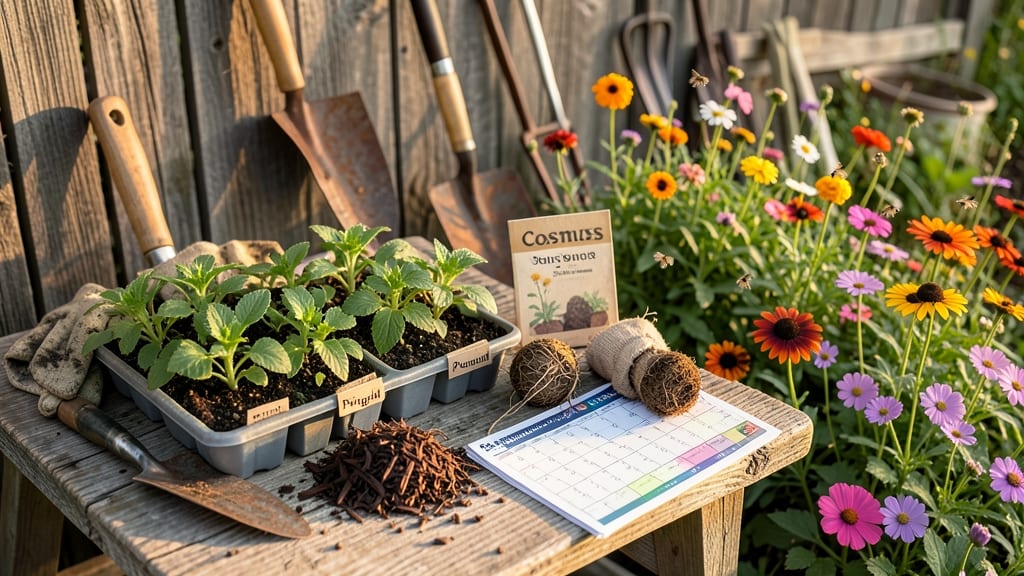
Planting flowers in Pennsylvania’s Zone 6-7 climate isn’t just about picking the right blooms—it’s about timing them perfectly to beat frost and maximize your garden’s potential. One wrong move, and you’re staring at sad, wilted petals instead of the vibrant display you dream of.
The secret? Knowing when to plant for your specific region, whether you’re in Pittsburgh’s cooler hills or Philadelphia’s slightly milder stretches.
Most gardeners in Pennsylvania start their flower planting in early spring, but the exact timing depends on your last frost date—which can vary by 2-3 weeks across the state. Annuals like marigolds and petunias love warm soil, while hardy perennials and bulbs can handle cooler temperatures.
I’ll break down the best months for each type, so you can avoid the common mistakes that leave flowers struggling to take root.
What if you want to extend your blooming season? The key is using frost-proof tricks like row covers, choosing cold-resistant varieties, and planting some flowers in fall for an early spring surprise.
You’ll discover which flowers thrive in Pennsylvania’s short vs. long seasons, from early crocuses to late-blooming asters, and how to give them the best start possible.
Ready to transform your garden into a year-round paradise? Let’s dive into the exact planting calendar, frost-proof strategies, and flower picks that will make your Pennsylvania garden the envy of the neighborhood. Your future blooms are waiting—let’s get them in the ground the right way!
Pennsylvania flower planting calendar by month (Zone 6-7 guide)
Pennsylvania’s Zone 6-7 climate offers a 150-day growing season on average, but last frost dates vary by region. In Philadelphia, expect frost around April 15, while Pittsburgh typically sees its last frost May 1.
Harrisburg falls in between, around April 25. These differences mean your planting timeline should adjust based on your microclimate.
To maximize blooms, focus on three key planting windows: early spring (bulbs and cold-hardy perennials), late spring (annuals and tender perennials), and fall (bulbs and biennials). Hardening off seedlings 7-10 days before transplanting helps them adapt to PA’s unpredictable weather swings.
Let’s break down the best month-by-month planting schedule for your garden.
🌱 Pro Tip: Use row covers or cold frames to extend your planting season by 2-3 weeks in early spring or late fall.
| Month | Plant Type | Ideal Planting Window | PA-Specific Notes |
|---|---|---|---|
| March | Bulbs (tulips, daffodils) | Mid-March (after soil thaws) | Plant in well-draining soil; avoid soggy spots in Pittsburgh’s clay soil. |
| April | Perennials (coneflower, black-eyed Susan) | Late April (after last frost) | Wait until soil reaches 50°F; Philadelphia’s urban heat island warms faster. |
| May | Annuals (petunias, marigolds) | Early May (soil at 60°F+) | Use mulch to retain moisture; Harrisburg’s drier climate needs extra water. |
| June | Vegetable flowers (nasturtiums, borage) | Mid-June (for late summer blooms) | Sow directly in full sun; Pittsburgh’s shorter summer means faster growth. |
| September | Fall bulbs (crocus, hyacinth) | Early September (6 weeks before first frost) | Plant in well-draining soil; Philadelphia’s humidity can cause rot. |
| October | Biennials (foxglove, hollyhock) | Late October (for spring blooms) | Choose cold-hardy varieties; Harrisburg’s first frost is earlier than Philadelphia. |
April is your golden month for planting perennials and hardy annuals like coreopsis or shasta daisies. These plants thrive when moved after the last frost date, which can vary by 1-2 weeks across PA. For example, Philadelphia’s urban areas warm up faster than rural zones like Lancaster County.
If you’re planting tender annuals like geraniums or impatiens, wait until mid-May when nighttime temperatures stay above 50°F. These heat-loving flowers will bolt if exposed to late spring frosts, which can still occur in Pittsburgh’s higher elevations.
For fall planting, focus on bulbs and biennials like foxglove or snapdragons.
These plants need 6-8 weeks of cool weather to establish roots before winter. September is ideal for crocus and hyacinth, while October works for dahlias and gladioli if you live in Zone 7 areas like Lebanon.
Don’t forget succession planting! In June and July, sow fast-growing annuals like zinnias or cosmos to keep your garden blooming until first frost. These heat-tolerant flowers will thrive in PA’s sum
5 Frost-proof planting tricks to extend your Pennsylvania flower season
Pennsylvania’s Zone 6-7 climate delivers unpredictable frost dates, leaving gardeners stuck between waiting too long or risking early frosts. The key to longer bloom seasons lies in strategic planting—whether you’re pushing spring starts or extending fall color.
I’ve tested these frost-proof techniques in my own PA garden, and they’ve added 3-4 extra weeks of vibrant flowers each year.
First, soil temperature matters more than air temperature. Use a soil thermometer—ideal planting occurs when soil reaches 50°F (10°C) at 6-inch depth. In colder regions like Pittsburgh, this often means waiting until mid-May, while Philadelphia’s warmer microclimate allows late April starts for hardy annuals.
Here’s my proven 5-step system to beat PA’s frost—ranked by effectiveness:
Acclimate seedlings 7-10 days before transplanting by gradually exposing them to PA’s wind and cooler temps. Start with 2 hours/day in shade, then increase to full sun and overnight temps in 30°F (1°C) ranges.
Use floating row covers (like Reemay) to protect tender plants from late spring frosts. Secure edges with bricks or soil—I’ve kept petunias and marigolds blooming until mid-October this way in Harrisburg.
Choose Zone 5-6 varieties like ‘Bicolor’ snapdragons, ‘Sweet Caroline’ cosmos, or ‘Autumn Joy’ sedum. These thrive in 40°F (4°C) temps and often self-seed for next year.
Plant heat-loving annuals near south-facing walls or black plastic mulch to raise soil temps by 5-10°F. My tomato plants near the garage wall stayed 10 days earlier than those in open beds.
Sow cool-season flowers like pansies, calendula, and stock by September 1st. They’ll establish roots before winter and bloom earlier next spring. Mulch with straw (3 inches) to insulate.
For late-season extensions, I swear by cloche protection—simple glass jars or plastic domes over individual plants can raise temps by 15°F. Pair this with drip irrigation (set to early morning) to prevent fungal issues from trapped moisture.
My chrysanthemums have stayed frost-free until Thanksgiving using this combo.
Remember: PA’s frost dates vary wildly—check the National Weather Service or your local Cooperative Extension for 10-year averages. Even with these tricks, always have frost cloths on hand for unpredictable late frosts. With these methods, you’ll turn PA’s short season into a year-round floral display.
🌱