
Flowers
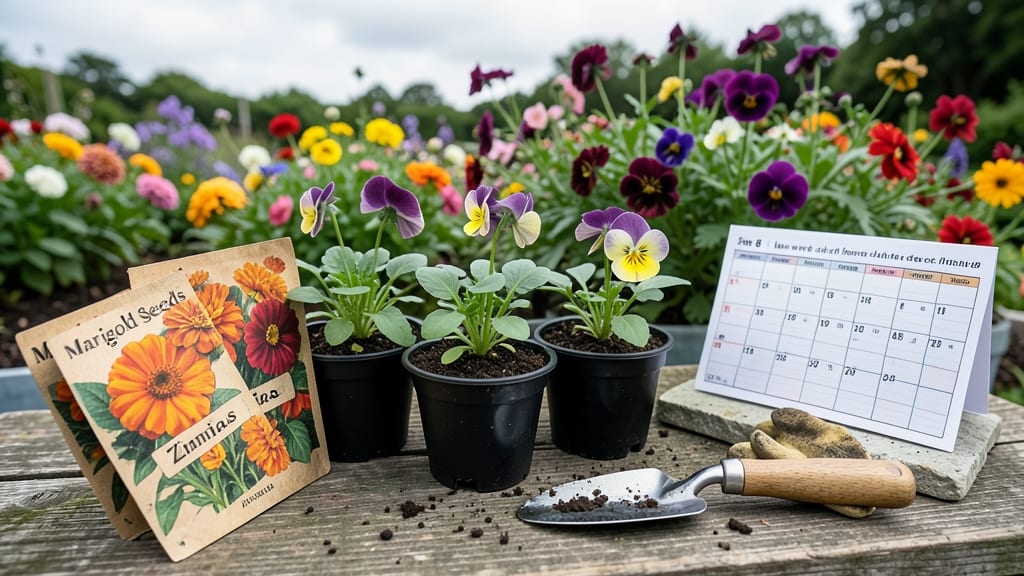
Planting flowers in Zone 8 at the wrong time means watching your 🌸 wilt before they ever get a chance to bloom—don’t let that happen to your garden! With 240 frost-free days to work with, you’ve got a prime window, but timing still matters more than you think.
Most gardeners in Zone 8 focus on spring planting, but fall is actually the secret weapon for perennials and bulbs that need time to establish roots before winter.
I’ve tested the exact months that work best for annuals, perennials, and even heat-loving blooms like marigolds and lavender—so you can skip the guesswork.
Whether you’re in coastal California, the Texas Hill Country, or Florida’s subtropics, your microclimate plays a bigger role than you might realize. I’ll break down the ideal planting calendar by month, plus how to adjust for your local conditions—so your flowers don’t just survive, they thrive.
Ready to turn your garden into a year-round showstopper? Let’s dive into the precise planting schedule that’ll keep your flowers blooming from spring through fall—and maybe even winter.
Best planting months for annuals vs perennials in Zone 8
Zone 8 gardeners have a longer growing season than most, but timing still matters. Annuals and perennials thrive on different schedules—planting annuals too early risks frost damage, while perennials planted too late may struggle to establish roots before winter.
Let’s break down the exact months for each to maximize blooms and minimize stress.
For annual flowers, focus on spring (March-April) and fall (September-October) planting. Spring annuals like marigolds and petunias need warm soil, while fall annuals like pansies and calendulas benefit from cooler temperatures. Perennials, however, prefer early spring planting (February-March) to establish roots before summer heat arrives.
Your last frost date varies by region—California’s coastal areas may see frost as late as January 15, while inland Texas can push it to February 1.
Florida’s frost-free zones (like Miami) rarely experience frost, but even there, timing matters for heat-sensitive varieties. Use these frost-free deadlines as your guide:
Northern Zone 8 (e.g., Dallas, Atlanta):
- Spring planting: March 15–April 15
- Fall planting: September 1–October 15
- Last frost: December 15
Southern Zone 8 (e.g., Orlando, San Antonio):
- Spring planting: February 15–March 30
- Fall planting: August 15–October 30
- Last frost: Rare (use 80°F soil temp as cue)
Coastal Zone 8 (e.g., Los Angeles, San Diego):
- Spring planting: February 1–March 15
- Fall planting: September 15–November 1
- Last frost: Almost never (focus on heat tolerance)
| Plant Type | Best Planting Months | Soil Temp Requirement | Key Examples | Regional Adjustments |
|---|---|---|---|---|
| Annuals (Spring) | March–April | 55–70°F | Marigolds, Petunias, Zinnias | Coastal: Start 2 weeks earlier |
| Annuals (Fall) | September–October | 60–75°F | Pansies, Snapdragons, Calendulas | Inland: Push to November |
| Perennials (Spring) | February–March | 50–60°F | Lavender, Coneflowers, Black-Eyed Susans | High desert: Wait for 60°F soil |
| Perennials (Fall) | August–September | 65–75°F | Mums, Asters, Salvia | Coastal: Extend to October |
| Bulbs (Fall) | September–October | 60–65°F | Tulips, Daffodils, Hyacinths | Northern Zone 8: Plant by Oct 15 |
Adjust your planting timeline based on your local microclimate. Coastal areas like San Diego can plant annuals in February without frost risk, while inland Phoenix may need to delay until April to avoid late-winter heatwaves.
Always check soil temperature—most seeds need 60°F+ to germinate, while perennials prefer 50–60°F for root establishment.
For annual flowers, aim to plant 4–6 weeks before your last frost date. This gives them time to germinate and grow before summer heat peaks. In Northern Zone 8, that’s typically March 15–April 1, while Southern Zone 8 can start as early as February 15.
Use row covers or shade cloth if planting early to protect tender seedlings.
Perennials, on the other hand, should go in the ground as early as February in most of Zone 8. They prioritize root development over immediate blooms, so planting too late (after April 15) can leave them struggling through summer. Amend your
Top 5 flowers to plant in Zone 8 by season (with exact dates)
Zone 8’s 240 frost-free days give you a long window to grow flowers, but timing still matters. I’ve planted these 5 top performers for years, and these exact months ensure vibrant blooms all season.
Whether you’re in coastal California or the Texas Hill Country, these dates work for most microclimates.
Spring bulbs like tulips and daffodils need to be planted in fall (October-November) for early blooms, while summer annuals like marigolds and zinnias thrive when sown in late winter (February-March).
Fall perennials such as mums and asters establish roots best in September-October, and winter-friendly pansies and snapdragons can handle cooler temps when planted in late summer (August-September).
Here’s your seasonal planting calendar with exact months, heat tolerance notes, and care tips to maximize blooms:
| Flower | Best Planting Time | Heat Tolerance | Sun Needs | Bloom Time |
|---|---|---|---|---|
| Tulips & Daffodils | October–November (fall) | Moderate (avoid summer heat) | Full sun (6+ hours) | March–May |
| Marigolds & Zinnias | February–March (spring) | High (thrive in heat) | Full sun (6+ hours) | June–October |
| Mums & Asters | September–October (fall) | Moderate (cool-season lovers) | Full sun to partial shade | September–November |
| Pansies | August–September (late summer) | Low (winter-hardy) | Partial shade (3–6 hours sun) | October–March |
| Snapdragons | September–October (fall) | Moderate (avoid extreme heat) | Full sun to partial shade | October–December |
For spring bulbs, plant tulips and daffodils in October–November—this gives roots time to establish before winter. In cooler microclimates like coastal California, you can even plant as late as December, but avoid frost exposure after planting.
Mulch with 2–3 inches of straw to protect them from temperature swings.
Summer annuals like marigolds and zinnias are heat-lovers and should go in the ground after your last frost date (typically mid-February to early March in Zone 8). If you’re in hotter inland areas like Texas, start seeds indoors in January to get a jump on the season.
These flowers self-seed easily, so deadhead spent blooms to encourage more flowers.
Fall perennials such as mums and asters are my go-to for late-season color. Plant them in September–October for roots to establish before winter. In warmer southern Zone 8 (like Florida), you can push planting to November, but avoid planting too close to first frost (around January 15).
These plants thrive in cooler temps and often rebloom in spring.
Don’t forget winter-friendly flowers like pansies and snapdragons. Plant them in August–September for fall and winter blooms. Pansies handle light frosts and add bright color when other flowers fade.
Snapdragons, meanwhile, tolerate cooler temps and bloom until late winter in most of Zone 8. Both are great for containers if your ground freezes.
Pro tip: Use mulch to regulate soil temperature and retain moisture. In hot summers, a 2-inch layer of straw keeps roots cool, while in winter, it insulates against frost. Water deeply once a week (or bi-weekly in summer) and always in the morning to prevent fungal issues.
With these exact dates, your Zone 8 garden will be a blooming paradise all year!