
Plants
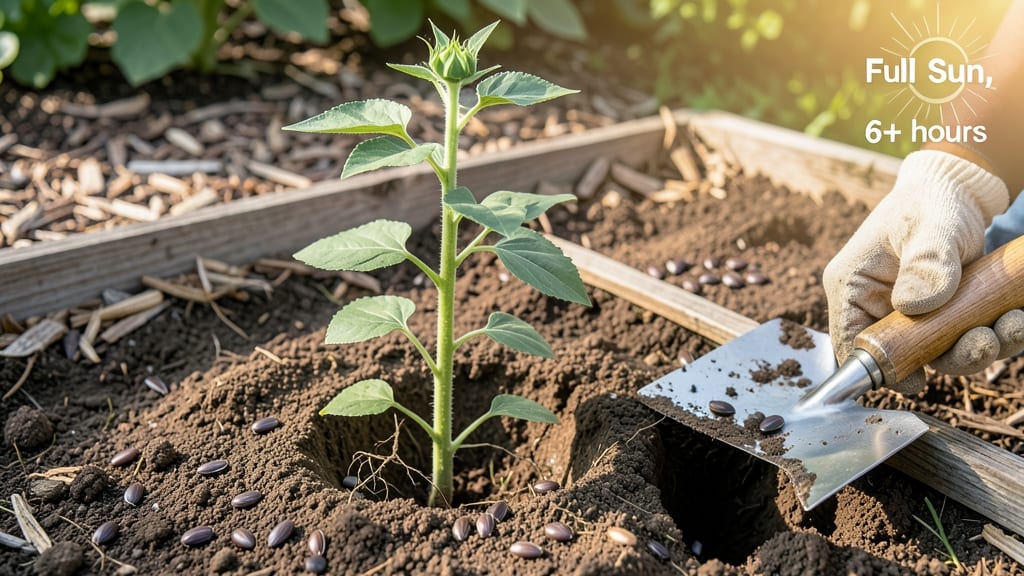
Planting sunflower seeds in Florida at the wrong time can mean the difference between a towering 🌻 that brightens your garden and a sad, stunted plant that fades before summer.
The key isn’t just waiting for spring—it’s timing it perfectly to avoid Florida’s tricky frost risks in the north and scorching heat in the south.
Most gardeners in USDA Zones 8a-11 assume sunflowers are a spring-only crop, but Florida’s year-round growing season lets you plant twice: once in early spring (after the last frost, usually March-April) and again in late summer (August-September) for fall blooms.
Here’s the game-changer: Skipping these windows means battling either weak seedlings or plants that bolt too fast in the heat. I’ll show you exactly when to direct-sow seeds outdoors—or start them indoors for a head start—and how to adjust for your region’s microclimate.
Ready to grow sunflowers that reach their full potential? Let’s dive into the three critical mistakes that kill sunflower success before they even sprout—and how to avoid them every time.
Florida sunflower planting calendar: best months by region (north vs. central vs. south)
Florida’s diverse climate means sunflower planting windows vary dramatically from the Panhandle’s cooler north to South Florida’s tropical heat.
In the North (USDA Zones 8a-9a), you’ll want to wait until after the last frost (typically mid-March to early April), while Central Florida (Zones 9b-10a) can start as early as February.
Meanwhile, South Florida (Zones 10b-11) enjoys a nearly year-round growing season with no frost risk—but timing still matters for heat tolerance. Let’s break down the optimal planting months for each region to ensure your sunflowers reach their full 8-15 foot potential.
Sunflower seeds need soil temperatures above 60°F to germinate, which is why North Florida gardeners must wait longer than their southern counterparts. In South Florida, where soil stays warm year-round, you can plant any month except December-January (when humidity spikes).
The key is avoiding peak summer heat (June-August), which can stress young seedlings. For Central Florida, aim for March-April or August-September to balance warmth and rainfall. Each region’s microclimate creates unique challenges—like sandy soil in the Panhandle or hurricane risks in the Keys—that affect planting timing.
Here’s a quick comparison of Florida’s three sunflower planting zones, including frost-free dates, ideal soil temps, and heat tolerance thresholds:
| Region | Last Frost Date | Best Planting Months | Soil Temp for Germination | Heat Tolerance Threshold |
|---|---|---|---|---|
| North Florida (Panhandle) | Mid-March to Early April | March–April, August–September | 60°F+ (15°C+) | Up to 95°F (35°C) |
| Central Florida (Orlando/Tampa) | Early February | February–April, August–October | 55°F+ (13°C+) | Up to 100°F (38°C) |
| South Florida (Miami/Keys) | No frost risk | Year-round (avoid Dec–Jan) | 65°F+ (18°C+) | Up to 105°F (41°C) |
For North Florida, the Panhandle’s cooler nights mean seeds planted in March will germinate faster than those sown in February. Use black plastic mulch to warm the soil if planting early.
In Central Florida, where humidity is high year-round, focus on well-draining soil to prevent fungal diseases. South Florida’s tropical climate allows for two main planting windows: spring (February-April) for early blooms and fall (August-October) to avoid summer’s harshest heat.
Pro tip: In Zone 11, plant dwarf varieties like ‘Teddy Bear’ to avoid hurricane damage.
If you’re in North Florida, mark your calendar for March 15th—this is when soil temperatures consistently stay above 60°F.
For Central Florida, start seeds indoors in February and transplant after February 15th to give them a head start. South Florida gardeners can direct-sow any month except December-January, but August-September is ideal for fall blooms before hurricane season peaks.
Always test your soil pH (6.0-7.0) and amend with compost—Florida’s sandy soils drain too quickly without organic matter.
One critical mistake I see in Florida gardens is planting sunflowers too late in summer (after July 15th). Seedlings struggle to establish roots before fall rains and hurricane season arrive.
Instead, aim for early August in Central/South Florida to give plants 8-10 weeks of growth before first frost risk (which only affects North Florida). For maximum height, plant tall varieties like ‘Russian Giant’ in spring—they’ll reach 12-15 feet by October.
For container growing, adjust timing slightly: North Florida can start seeds indoors in February under grow lights, while South Florida can plant year-round in pots. Use 5-gallon containers for standard varieties and 3-gallon pots for dwarfs.
Remember, sunflowers need 6+ hours of sun daily, so place containers in full sun spots. In shady areas, growth will be stunted, and blooms will be smaller. If you’re
3 Critical mistakes that ruin sunflower growth in Florida (and how to fix them)
Sunflowers in Florida face unique challenges that can turn your dreamy 🌻 garden into a disappointment if you don’t time things right. The biggest mistake? Assuming Florida’s warm climate means you can plant anytime.
In reality, North Florida’s late frosts and South Florida’s brutal summer heat create two distinct planting windows you must respect.
I’ve learned the hard way that planting sunflowers too early in Zone 8a risks frost damage, while sowing too late in Zone 11 often leads to plants bolting before they mature. The solution? Two strategic planting periods: March-April for spring blooms and August-September for fall harvests.
Here’s the kicker: Even when you get the timing right, Florida’s sandy soil and humid summers create perfect conditions for pests and fungal diseases. Skipping soil prep or ignoring these risks can mean your sunflowers never reach their full potential—even if you planted them at the perfect time.
⚠️ Warning: These 3 Mistakes Kill Sunflower Success in Florida
- 1. Planting too early – Frost in North Florida (Zones 8a-9a) can wipe out seedlings before they sprout. Wait until after March 15 for safety.
- 2. Planting too late – Sowing after June 1 in South Florida often results in plants bolting (flowering too fast) before they mature.
- Ignoring soil prep – Florida’s sandy soil drains too quickly. Amend with 2-3 inches of compost and mulch to retain moisture.
Pro Tip: Use a soil thermometer—sunflower seeds need 60°F+ soil to germinate. Test before planting!
Let’s tackle the first mistake head-on: planting sunflowers too early. In North Florida, temperatures can still dip below freezing into March, and even a light frost will kill sunflower seedlings before they emerge.
I’ve seen gardeners rush to plant in February only to lose everything when a 28°F night hits.
For South Florida gardeners, the opposite problem occurs. Planting after June 15 often means your sunflowers will bolt—sending up flower stalks too quickly—before they develop strong roots or mature seeds.
The heat and long daylight hours trick them into thinking it’s time to reproduce, but they never reach their full height or produce quality seeds.
Here’s how to fix both issues: Use Florida’s two planting windows. For spring, aim for March 15-April 15 in North Florida and February 15-March 15 in Central/South Florida. For fall, plant August 1-September 15 to ensure blooms before the first frost (if any) in October.
Finally, don’t overlook soil preparation. Florida’s native soil is often sandy and nutrient-poor, which means sunflower seeds struggle to establish roots. Before planting, mix in compost or aged manure and mulch with straw or pine needles to retain moisture. This simple step can double your success rate.