
Plants
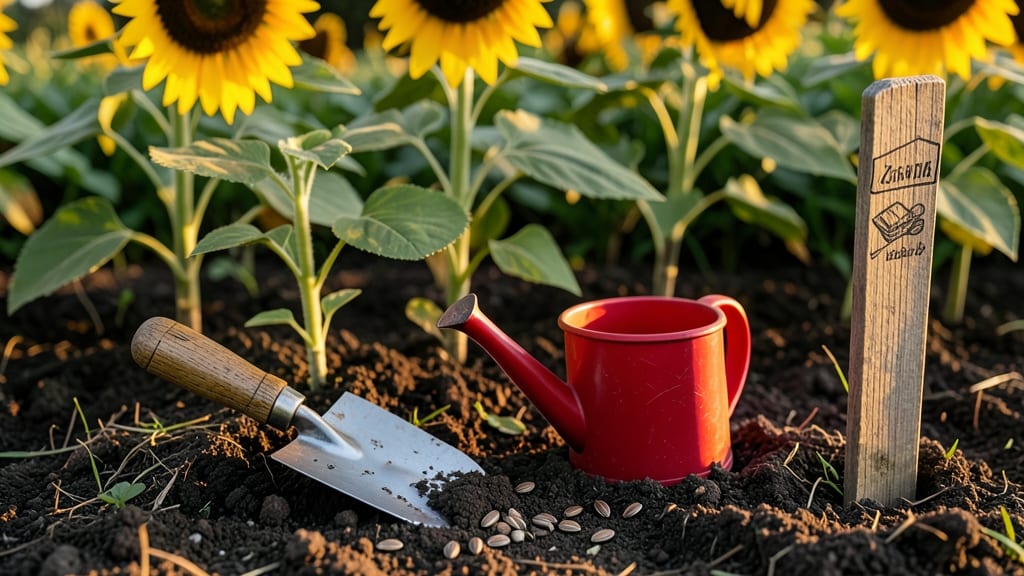
Planting sunflower seeds in Illinois at the wrong time can mean the difference between a towering 12-foot giant and a sad, stunted 3-foot shrub. The secret to unlocking those massive blooms?
Timing it perfectly after the last frost—typically between April 15 and June 15—when soil warms enough for those seeds to sprout like magic.
Here’s the thing: Illinois’ USDA Zones 5-6 climate means your neighbors might be harvesting sunflowers while you’re still waiting for yours to pop up.
Whether you’re in Chicago or down in Springfield, getting the exact weeks before last frost right is the key to avoiding frost damage and bolting too early. I’ll show you how to read your local frost dates and adjust for your microclimate—no guesswork needed.
You’ll also discover why soil temperature matters more than calendar dates (hint: it’s all about hitting that 50°F+ sweet spot) and how to pick the right varieties for your region.
From Russian Giants that could shade your deck to Autumn Beauty hybrids that thrive in shorter seasons, we’ll cover it all so you can plant with confidence.
Ready to grow sunflowers that turn heads—and maybe even outshine your neighbors’? Let’s dive into the exact planting schedule, pro tips, and regional tweaks that’ll have your 🌻 sunflowers reaching for the sky by summer’s end.
Best planting timeline for Illinois sunflowers by last frost date
Sunflowers thrive in Illinois’ USDA Zones 5-6, but the exact planting window depends on your last frost date and microclimate. Northern Illinois (like Chicago) typically sees frost until April 25, while southern Illinois (like Springfield) warms up by April 10.
Planting too early risks frost damage, while waiting too long may stunt growth. The sweet spot? 2-4 weeks after your last frost date, when soil reaches 50°F+.
For maximum height potential, aim to plant early-season varieties (like ‘Russian Giant’) 4-6 weeks before last frost if starting indoors. Most gardeners, however, direct-sow outdoors after frost, giving seeds 80-100 frost-free days to mature.
This means April 15-June 15 for most of Illinois, but adjust based on your local frost data.
Here’s the summary table breaking down planting windows by Illinois region and sunflower variety type:
| Region | Last Frost Date | Best Planting Window | Early Varieties (e.g., 'Teddy Bear') | Mid-Season (e.g., 'Autumn Beauty') | Late Varieties (e.g., 'Russian Giant') |
|---|---|---|---|---|---|
| Northern IL (Chicago) | April 25 | May 10-June 1 | Plant May 1-15 (60 days to harvest) | Plant May 15-30 (75 days to harvest) | Plant June 1-15 (90+ days to harvest) |
| Central IL (Peoria) | April 15 | April 30-May 20 | Plant April 25-May 10 (60 days) | Plant May 10-25 (75 days) | Plant May 25-June 5 (90+ days) |
| Southern IL (Springfield) | April 10 | April 20-May 10 | Plant April 15-30 (60 days) | Plant May 1-15 (75 days) | Plant May 15-30 (90+ days) |
*Adjust dates 1-2 weeks earlier for raised beds or warmer microclimates.
If you’re growing tall varieties like 'Russian Giant', prioritize planting in early June to ensure they reach their 10-14 foot potential before Illinois’ first frost in October. These giants need 90+ frost-free days, so don’t rush—wait until soil is consistently warm.
For shorter varieties (like 'Teddy Bear'), you can plant as early as late April in southern Illinois, as they mature in just 60 days.
Pro tip: Use a soil thermometer to confirm 50°F+ soil temp before planting. Cold soil delays germination, and sunflower seeds won’t sprout until it’s warm enough.
If your soil is still chilly, cover seeds with black plastic mulch for a week to speed up warming—this is especially helpful in northern Illinois where frost lingers longer.
For succession planting (to enjoy sunflowers all summer), sow a new batch every 2-3 weeks after your initial planting. This works best for mid-season varieties, which take 75 days to bloom.
By staggering plantings, you’ll have continuous blooms from July through September, even if your first batch bolts early due to heat.
Don’t forget to monitor local weather forecasts in the weeks leading up to planting. A late frost can wipe out young seedlings, so have row covers ready if frost is predicted.
In USDA Zone 5 (northern IL), this is a real risk until May 15, while Zone 6 (southern IL) is typically frost-free by then.
Finally, avoid planting sunflowers in low-lying areas where cold air pools. Hillsides or raised beds warm up faster and give your sunflowers a head start. With the right timing, you’ll be harvesting seed heads by September—just in time for bird feeders or pressing into art. Happy planting! 🌻
How soil temperature and variety affect sunflower growth in Illinois
Sunflowers in Illinois thrive when soil temperatures hit 50°F or warmer—this is the magic threshold for germination. If you plant too early, your seeds may rot in cold soil, while waiting too long risks bolting before reaching full height.
Illinois’ USDA Zones 5-6 mean soil warms unevenly, so checking with a soil thermometer (or waiting for mid-May averages) is key to avoiding these pitfalls.
Your choice of sunflower variety also dictates planting timing. Taller varieties like ‘Russian Giant’ need early starts (April 15–May 1) to mature before frost, while shorter types like ‘Autumn Beauty’ can wait until June 1 for late-season blooms.
The right variety paired with soil warmth ensures your sunflowers grow straight and strong, not leggy or stunted.
| Variety | Soil Temp Threshold | Best Planting Window | Height Potential | Frost Risk |
|---|---|---|---|---|
| ‘Russian Giant’ | 50°F+ | April 15–May 15 | 10–14 ft | High (needs early start) |
| ‘Autumn Beauty’ | 50°F+ | May 15–June 1 | 5–8 ft | Low (late-season hardy) |
| ‘Teddy Bear’ (Dwarf) | 55°F+ | May 1–June 15 | 2–4 ft | None (compact growth) |
| ‘ProCut’ (Cut Flower) | 50°F+ | April 30–May 30 | 6–10 ft | Moderate (needs mid-season start) |
Northern Illinois (e.g., Chicago) has cooler soils, so aim for late May planting unless you use black plastic mulch to warm the ground faster. Southern Illinois (e.g., St. Louis) can plant 2–3 weeks earlier thanks to warmer microclimates.
Always adjust for local frost dates—check the Old Farmer’s Almanac for your exact last frost window.
Taller varieties like ‘Russian Giant’ need 120+ days to mature, so planting after May 15 risks frost damage before blooming. Shorter varieties like ‘Autumn Beauty’ tolerate cooler temps and can handle late June starts.
For maximum height, pair early planting with rich, well-draining soil and consistent watering to avoid bolting.
If your soil stays below 50°F past May 15, use row covers or wait until early June—just know shorter varieties will be your best bet.
The key is balancing soil warmth, variety maturity, and frost dates to grow sunflowers that reach their full potential in Illinois’ climate.
Pro tip: Test your soil’s warmth with a thermometer at 6 inches deep—this is where seeds need to be. If it’s below 50°F, hold off until it warms up naturally. Patience here means taller, healthier sunflowers come summer.