
Plants
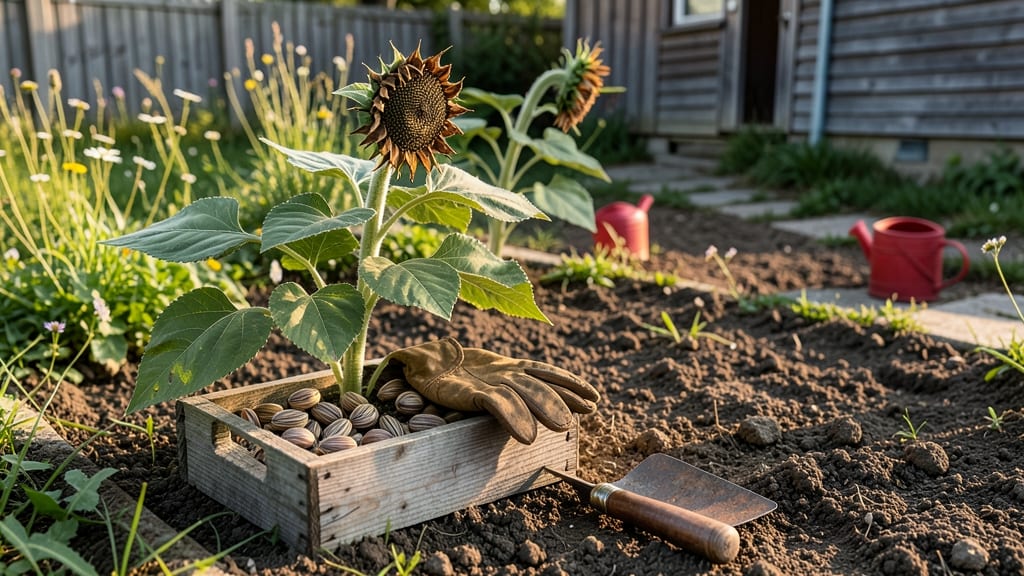
Timing your sunflower seeds just right in Indiana means the difference between towering 🌻 giants and sad, stunted plants. Planting too early risks frost damage, while waiting too long cuts your harvest short—so when exactly should you get those seeds in the ground for the best results?
Indiana’s USDA Zone 6a climate gives you a narrow but critical window: mid-April to early June after the last frost (typically around April 15).
But even within that range, soil temperature and variety matter—early bloomers need a head start, while tall varieties need more time to mature before fall’s first chill.
I’ve tested the best planting strategies here, including how to adjust for Indiana’s microclimates and when to fertilize for maximum growth. Whether you’re growing sunflowers for bouquets, birdseed, or just backyard beauty, these tips will help you time it perfectly.
Let’s break down the exact steps to ensure your sunflowers reach their full potential—from seed to harvest—without wasting a single growing season.
Optimal sunflower planting dates in Indiana by USDA Zone 7a/7b
Indiana’s USDA Zones 7a/7b offer a short but sweet growing season for sunflowers, where timing is everything. The key is planting after the average last frost date (April 15), but before soil temperatures dip below 50°F (10°C) in late spring.
For Zone 7a, aim for mid-April to early May, while Zone 7b gardeners have until late May—just don’t wait too long or risk stunted growth before fall frost.
Sunflowers need 60-85 days to mature, so late varieties planted in June may not reach full height before Indiana’s first frost (mid-October). The sweet spot? Early to mid-May gives most varieties enough time to thrive while avoiding early-season cold snaps that can delay germination.
Soil temperature is just as critical as air temperature. Sunflower seeds won’t germinate well below 50°F (10°C), and slow starts mean weaker plants.
Use a soil thermometer to confirm readiness—if your soil is still cool, wait a week or two. Zone 7a gardeners should test soil temps in early April, while Zone 7b can start checking in mid-April.
For early varieties, like 'Teddy Bear' (50-60 days to maturity), you can push the envelope and plant in late March if you use row covers to protect seedlings. However, this requires monitoring for late frosts, which can still occur in Indiana until mid-April.
I’ve found that even a light frost can delay germination by a week or more, so unless you’re committed to babying your seedlings, stick to the mid-April start.
Adjust your planting timeline based on the sunflower variety. Tall varieties like 'Russian Giant' need the full 120 days to mature, so plant them by early May at the latest. Mid-height varieties (60-90 days) like 'Autumn Beauty' offer flexibility—plant them from mid-April to early June.
Meanwhile, dwarf varieties (50-60 days) can handle a June planting and still produce flowers before frost.
Indiana’s microclimates add another layer of complexity. Southern Indiana (closer to Zone 7b) has a slightly longer growing season, while northern areas (near Zone 6) may experience earlier frosts. If you’re in doubt, err on the side of planting earlier—sunflowers tolerate heat better than cold.
I’ve had success with succession planting: start with early varieties in April, then add mid-season types in May for a continuous harvest.
After planting, maintain consistent moisture for the first 3 weeks to encourage strong root development. Once established, sunflowers are drought-tolerant, but deep watering once a week during dry spells will maximize stem height and seed production.
Mulch around the base to retain moisture and suppress weeds, which can compete with young seedlings for nutrients.
Keep an eye on the back of petals as they turn yellow—this signals maturity. In Indiana, most sunflowers will be ready for harvest by late August to early October, depending on when you planted.
If you’re growing sunflowers for seeds, wait until the flower heads feel heavy and the seeds turn dark before harvesting.
Pro tip: Mark your calendar for October 15, Indiana’s average first frost date. If your sunflowers haven’t matured by then, harvest the flower heads and hang them indoors to dry.
This way, you can still enjoy their beauty—and save seeds for next year—even if the stems don’t reach their full height.
How to choose sunflower varieties for Indiana’s growing season
Indiana’s short but productive growing season means selecting the right sunflower varieties can make or break your harvest.
With 60-120 days to maturity, you’ll need varieties that align with your planting timeline and space constraints. Dwarf varieties work for containers and small gardens, while giant types need room to stretch their legs—literally, some reach 12+ feet!
For Zone 7a/7b, prioritize varieties that mature before Indiana’s first frost (mid-October). Early varieties like 'Teddy Bear' (50-60 days) are perfect for April planting, while mid-season types like 'Autumn Beauty' (85-90 days) give you flexibility for May starts.
Giant varieties like 'Russian Giant' (120 days) demand early May planting to avoid frost.
My top picks for Indiana gardens include 'Teddy Bear' (dwarf, great for kids' gardens) and 'Autumn Beauty' (mid-height with bicolor blooms). For giant sunflowers, 'Russian Giant' is a crowd-pleaser but needs full sun and deep soil.
If you’re short on space, consider 'Sunspot' (dwarf) or 'Moulin Rouge' (compact with red blooms).
Spacing is critical—tall varieties need 3-4 feet between plants to avoid shading and disease. Use succession planting for continuous blooms: plant dwarf varieties in June for late-season color. I’ve found that mulching helps retain moisture for taller stems, while staking may be needed for giants in windy Indiana areas.
For seed production, prioritize varieties with large seed heads like 'Russian Giant' or 'Mammoth'. If you’re growing for cut flowers, 'Autumn Beauty' offers stunning bicolor blooms. Always check seed packets for days-to-maturity and adjust your planting date accordingly—Indiana’s 165-day frost-free season is tight for late varieties.
Pro tip: Save seeds from your best-performing plants! Let the flower heads dry on the stem, then harvest and store in a cool, dry place. This ensures you’ll have locally adapted sunflowers for next year’s garden.
Just remember—giant varieties need more time, so plant them first in your April-May timeline.